Diabetic foot ulcers affect about 15% to 25% of people with diabetes during their lifetime and are a leading cause of hospitalization and amputation worldwide1. Diabetes can cause nerve damage and poor blood flow to the feet, increasing the risk of injury and infection2. Proper foot care and regular monitoring are essential to prevent serious complications and maintain foot health1.
Diabetes Foot Care Importance
Foot care is crucial for people with diabetes because nerve damage (neuropathy) and poor circulation increase the risk of foot ulcers and infections1. Peripheral neuropathy reduces sensation in the feet, so injuries like cuts or blisters may go unnoticed, delaying treatment and increasing the risk of infection2. Additionally, diabetes-related vascular damage and peripheral artery disease (PAD) impair blood flow, slowing wound healing and raising the chance of complications1.
About 15% of people with diabetes develop foot ulcers during their lifetime, and these ulcers are a common cause of infection and amputation12. Hyperglycemia (high blood sugar) contributes to vascular damage and immune dysfunction, further impairing healing and infection control12. Preventive foot care and early detection of foot problems can significantly reduce the risk of ulcers and amputations1.
An interdisciplinary approach involving endocrinologists, podiatrists, vascular surgeons, and diabetes educators improves outcomes and lowers amputation rates by up to 85%34. Regular foot screening and patient education are key components in managing diabetes-related foot disease53.
Daily Diabetic Foot Care Routine
Check and Wash Your Feet Daily
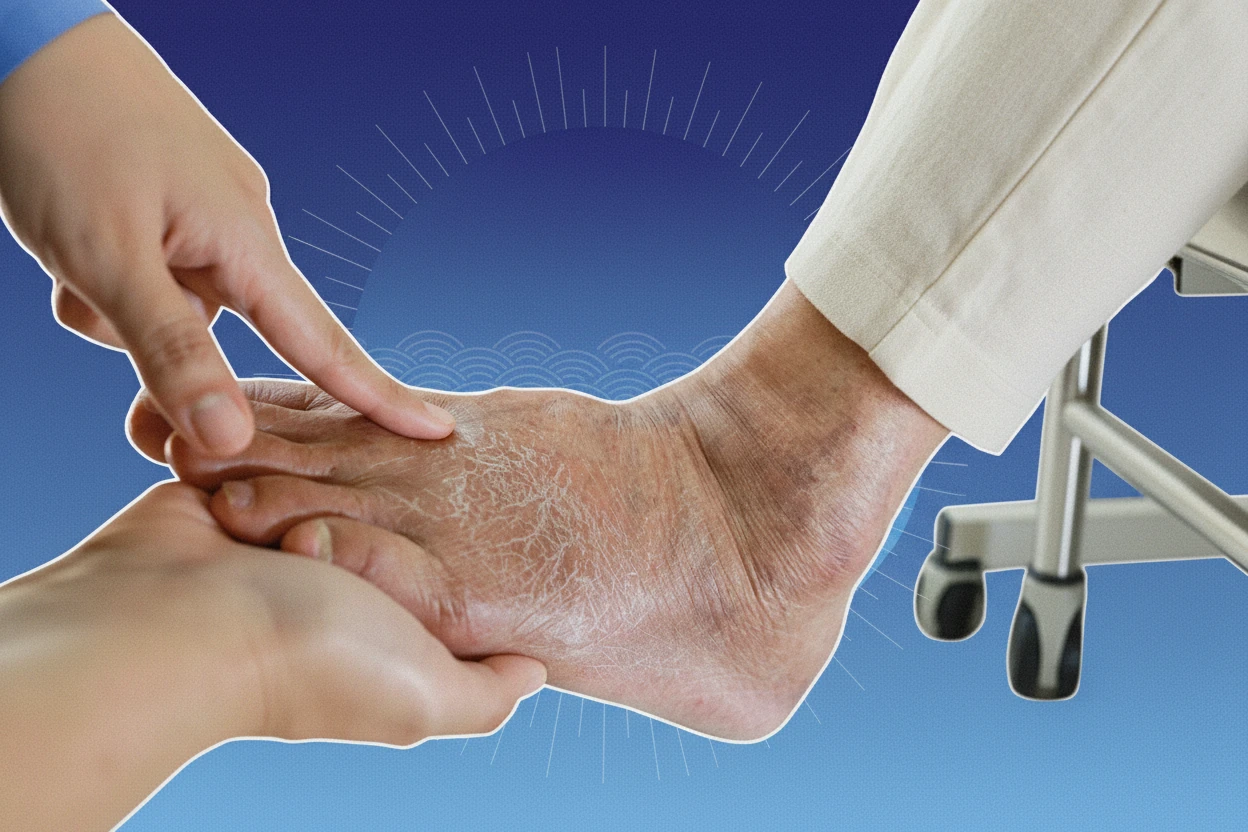
Daily inspection of the feet helps detect early signs of injury or infection2. People with diabetes should use a mirror or ask for assistance to check all areas of their feet, including the soles and between the toes1. Look for cuts, blisters, redness, swelling, corns, calluses, or nail problems.
Wash feet daily with warm (not hot) soapy water to prevent burns and skin damage1. Avoid soaking feet, as this can cause skin maceration and increase infection risk2. After washing, dry feet thoroughly, especially between the toes, to prevent fungal infections1. Moisturize dry skin but avoid applying lotion between the toes to reduce fungal growth2.
Wear Proper Footwear
Wearing well-fitting shoes protects feet from trauma and reduces pressure points that can cause ulcers1. Avoid walking barefoot, even indoors, to prevent unnoticed injuries2. Shoes should have closed toes and heels, stiff outer soles, and soft interiors without seams or rough areas6.
When buying shoes, ensure there is about a thumb’s width of space between the longest toe and the shoe tip7. Shoes that are too tight or loose can cause blisters and sores1. Socks should be clean, dry, and made of moisture-wicking materials like synthetic fibers or wool7. Diabetic socks with extra cushioning and no constrictive elastic bands may be beneficial7.
Take Care of Your Nails
Trim toenails straight across to prevent ingrown toenails and avoid cutting nails too short1. Use a nail file to smooth sharp edges. If you have difficulty seeing or reaching your feet, or if nails are thick or discolored, seek professional care from a podiatrist8. Never attempt to remove corns or calluses yourself, as improper treatment can lead to wounds2.
Encourage Blood Flow
Good circulation is vital for foot health and wound healing. Exercise, such as walking or swimming, stimulates blood flow to the legs and feet6. Avoid crossing legs or standing in one position for long periods, as this can restrict blood flow6. Keep feet warm and dry, especially in cold weather, by wearing socks and appropriate footwear9.
Smoking cessation is important because smoking narrows blood vessels and reduces circulation, increasing the risk of foot complications9. Managing blood glucose, blood pressure, and cholesterol levels also supports vascular health and wound healing2.
See Your Provider Regularly
Regular medical follow-up is essential for diabetes management and foot health monitoring1. People with diabetes should have their feet examined at least once a year by a healthcare professional, with more frequent visits if they have neuropathy, PAD, foot deformities, or a history of ulcers10. Early detection of foot problems allows timely treatment and prevents serious complications2.
Educate yourself on foot care and communicate openly with your diabetes care team, including endocrinologists, podiatrists, and diabetes educators3. Specialized footwear and orthotics may be recommended to offload pressure and protect vulnerable areas10.
“Foot and ankle surgeons are the board-certified surgical specialists of the podiatric profession. They have more education and training specific to the foot and ankle than any other healthcare provider.”
— American College of Foot and Ankle Surgeons11
When to Seek Medical Help
Prompt medical attention is necessary if you notice any signs of foot injury or infection2. Contact your healthcare provider if you observe:
- Cuts, sores, blisters, or ulcers that do not heal1
- Redness, warmth, swelling, or pain indicating infection2
- Blackened tissue or foul odor suggesting gangrene1
- Thickened, discolored toenails or fungal infections between toes2
- Calluses with underlying bleeding or foot deformities2
- Changes in skin temperature, hair loss, or loss of sensation12
Non-healing wounds require urgent evaluation to prevent progression to severe infection or amputation1. Early treatment improves healing outcomes and reduces hospitalizations2.
Key Takeaways
- Diabetes-related nerve damage and poor circulation increase the risk of foot ulcers and infections12.
- Daily foot inspection, hygiene, and moisturizing (avoiding between toes) help prevent complications12.
- Wearing well-fitting, protective shoes and socks reduces trauma and pressure points17.
- Regular medical foot exams and early treatment of injuries are essential to avoid serious outcomes12.
- Managing blood sugar, quitting smoking, and exercising improve circulation and foot health26.