Dengue fever poses a significant health risk worldwide, with over 13 million cases reported in the Americas alone in 2024, and transmission remaining high into 20251. This mosquito-borne disease is especially prevalent in tropical and subtropical regions, affecting millions annually and leading to severe complications in some cases2. Travelers and residents in endemic areas must stay informed about dengue to reduce infection risk and recognize symptoms early3.
Dengue Fever Overview
Dengue fever is caused by four distinct but closely related dengue viruses (DENV-1, DENV-2, DENV-3, and DENV-4), all transmitted by Aedes species mosquitoes4. These mosquitoes spread the virus when they bite an infected person and then bite others, facilitating transmission5. Dengue is the most common mosquito-borne disease globally, with endemic presence in over 100 countries, especially in Asia and the Americas6.
“Dengue virus (DENV), a mosquito-borne Flavivirus, represents a growing global health challenge, particularly in tropical and subtropical regions.”
— Naderian et al.9
The disease is a year-round risk in many parts of the world, with outbreaks typically occurring every 2 to 5 years2. In 2023, Bangladesh experienced its worst dengue outbreak on record, reporting 3.1 million cases and 1,705 deaths6. Similarly, the Americas saw a 238% increase in dengue cases in the first five months of 2024 compared to the same period in 2023, with approximately 13 million cases and 8,200 deaths reported in 2024 alone71.
In the United States, dengue outbreaks have been declared in Puerto Rico and the US Virgin Islands, with local transmission reported in states such as California, Florida, and Texas1. While most dengue cases in the continental US occur in travelers, local spread is possible due to the presence of Aedes mosquitoes in some areas8.
When an infected mosquito bites a person, the dengue virus enters the bloodstream and replicates5. The virus and the immune response it triggers can damage mcv blood test results meaning and normal range vessels and reduce the number of platelets, which are essential for blood clotting. This damage can cause blood to leak from vessels, leading to internal bleeding and potentially life-threatening complications in severe cases5.
Dengue Fever Symptoms
About 25% of dengue infections cause symptoms, which typically begin 4 to 10 days after the mosquito bite but can take up to 14 days to appear4. Symptoms usually last 2 to 7 days and often resemble the flu, including:
- High fever (often reaching 104°F/40°C)5
- Severe headache and pain behind the eyes (retro-orbital pain)4
- Muscle, bone, and joint pain, sometimes called "breakbone fever" due to its intensity4
- Rash5
- Nausea and vomiting5
- Minor bleeding, such as nose or gum bleeding5
Most people recover within a week, but about 1 in 20 symptomatic individuals may develop severe dengue, a life-threatening condition5. Severe dengue can cause plasma leakage, severe bleeding, organ failure, and shock9.
Severe dengue symptoms usually appear 24 to 48 hours after the fever subsides and require immediate medical attention. Warning signs include:
- Severe abdominal pain9
- Persistent vomiting9
- Bleeding from gums or nose5
- Blood in vomit or stool5
- Extreme tiredness, restlessness, or irritability5
- Difficulty or rapid breathing5
Children often present with vomiting, abdominal pain, muscle pain, and bleeding manifestations, with vomiting and convulsions being significant predictors of severity10.
“Severe dengue is a medical emergency that can be fatal. If you have dengue or live in an area where dengue is common, go to the nearest emergency room immediately if you experience warning signs.”5
Diagnosis and Treatment of Dengue
Dengue diagnosis is confirmed through laboratory tests such as NS1 antigen detection, IgM/IgG serology, and RT-PCR, alongside clinical presentation and travel history11. Early diagnosis is essential to monitor for warning signs and prevent severe outcomes9.
The World Health Organization (WHO) classifies dengue into three categories:
- Dengue without warning signs
- Dengue with warning signs (e.g., abdominal pain, persistent vomiting, bleeding)
- Severe dengue (characterized by shock, severe bleeding, or organ failure)9
There is no specific antiviral treatment for dengue. Management focuses on supportive care, including:
💡 Did You Know? Dengue is a year-round risk in many parts of the world, with outbreaks commonly occurring every 2–5 years. Some countries are reporting increased numbers of cases of the disease.2
- Rest11
- Hydration with plenty of fluids to prevent dehydration and shock11
- Acetaminophen (paracetamol) for fever and pain relief11
- Avoidance of nonsteroidal anti-inflammatory drugs (NSAIDs) such as ibuprofen and aspirin due to increased bleeding risk11
Severe dengue requires hospitalization for close monitoring and management of complications such as shock and organ failure9.
| Dengue Category | Key Features | Management Focus |
|---|---|---|
| Dengue without warning | Fever, headache, muscle/joint pain | Supportive care, hydration |
| Dengue with warning signs | Abdominal pain, vomiting, bleeding | Close monitoring, hospital if needed |
| Severe dengue | Shock, severe bleeding, organ failure | Emergency care, hospitalization |
Dengue Fever Prevention Tips
Preventing dengue relies primarily on avoiding mosquito bites and controlling mosquito populations11. The CDC recommends several personal protective measures for residents and travelers to dengue-endemic areas:
“CDC health alerts aim to raise awareness and promote protective measures, not to discourage travel.”11
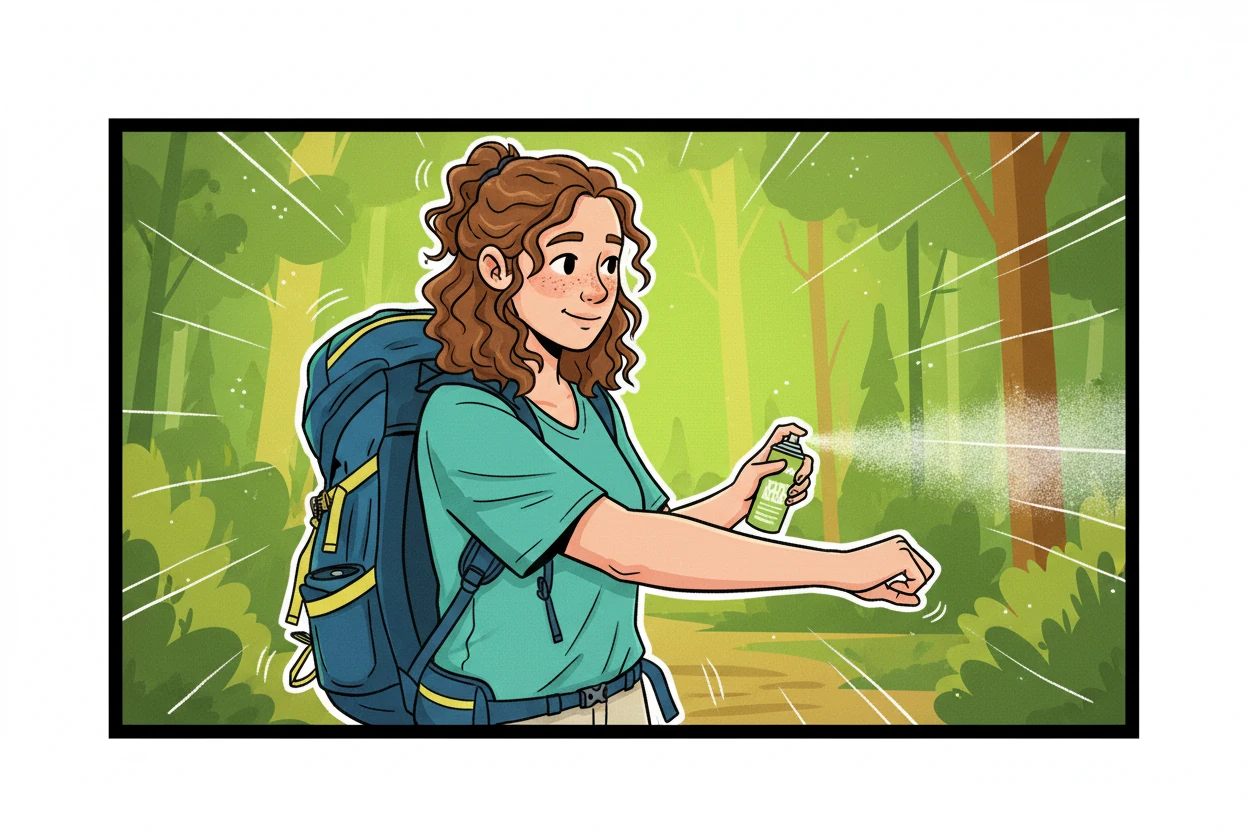
- Use EPA-registered insect repellents containing DEET or other effective ingredients11
- Wear long-sleeved shirts and long pants to reduce skin exposure11
- Use permethrin-treated clothing and gear for added protection11
- Sleep in air-conditioned or well-screened rooms, or use mosquito nets when sleeping outdoors11
- Eliminate standing water around homes and outdoor areas to reduce mosquito breeding sites11
Travelers should continue these mosquito bite prevention measures for several weeks after returning from endemic areas to prevent local transmission11.
The dengue vaccine Dengvaxia is approved for children aged 9 to 16 years who have had a prior laboratory-confirmed dengue infection and live in endemic areas12. Vaccination is not broadly recommended for travelers or adults without prior dengue infection12.