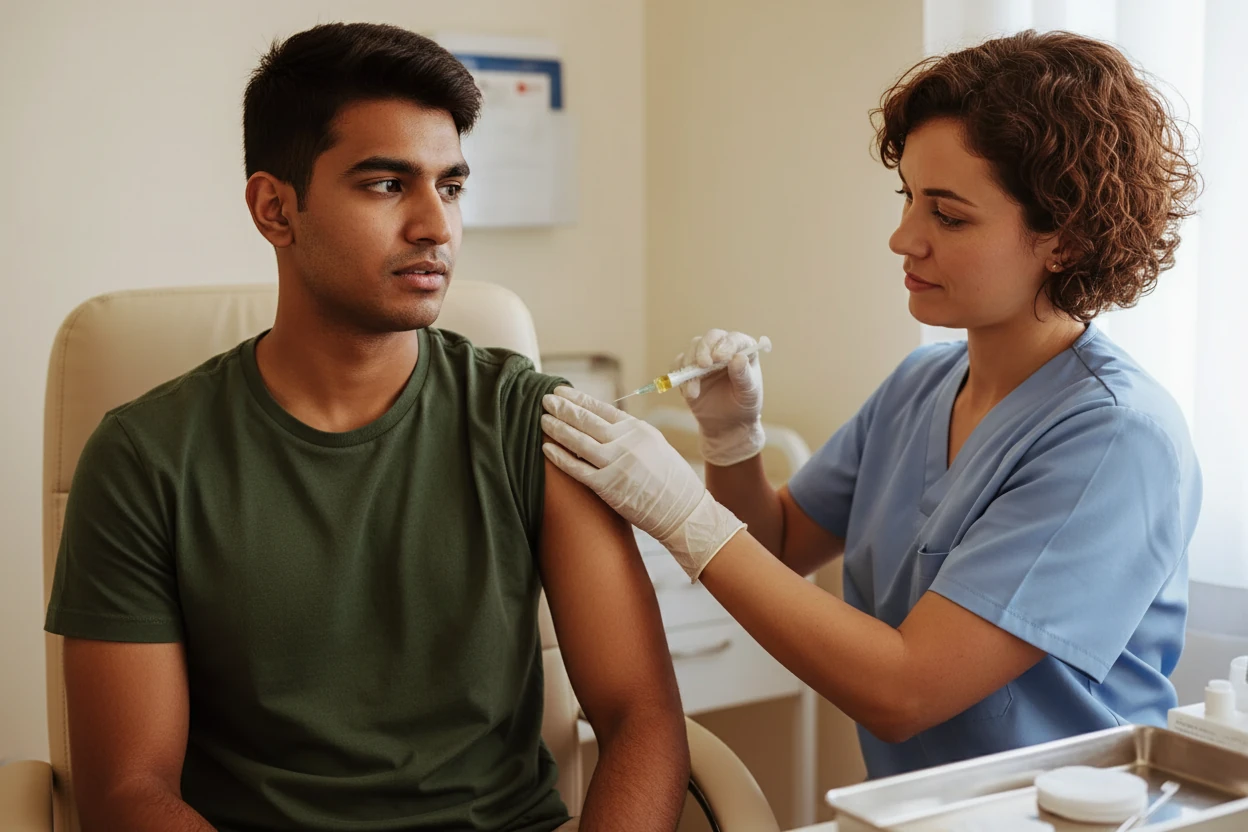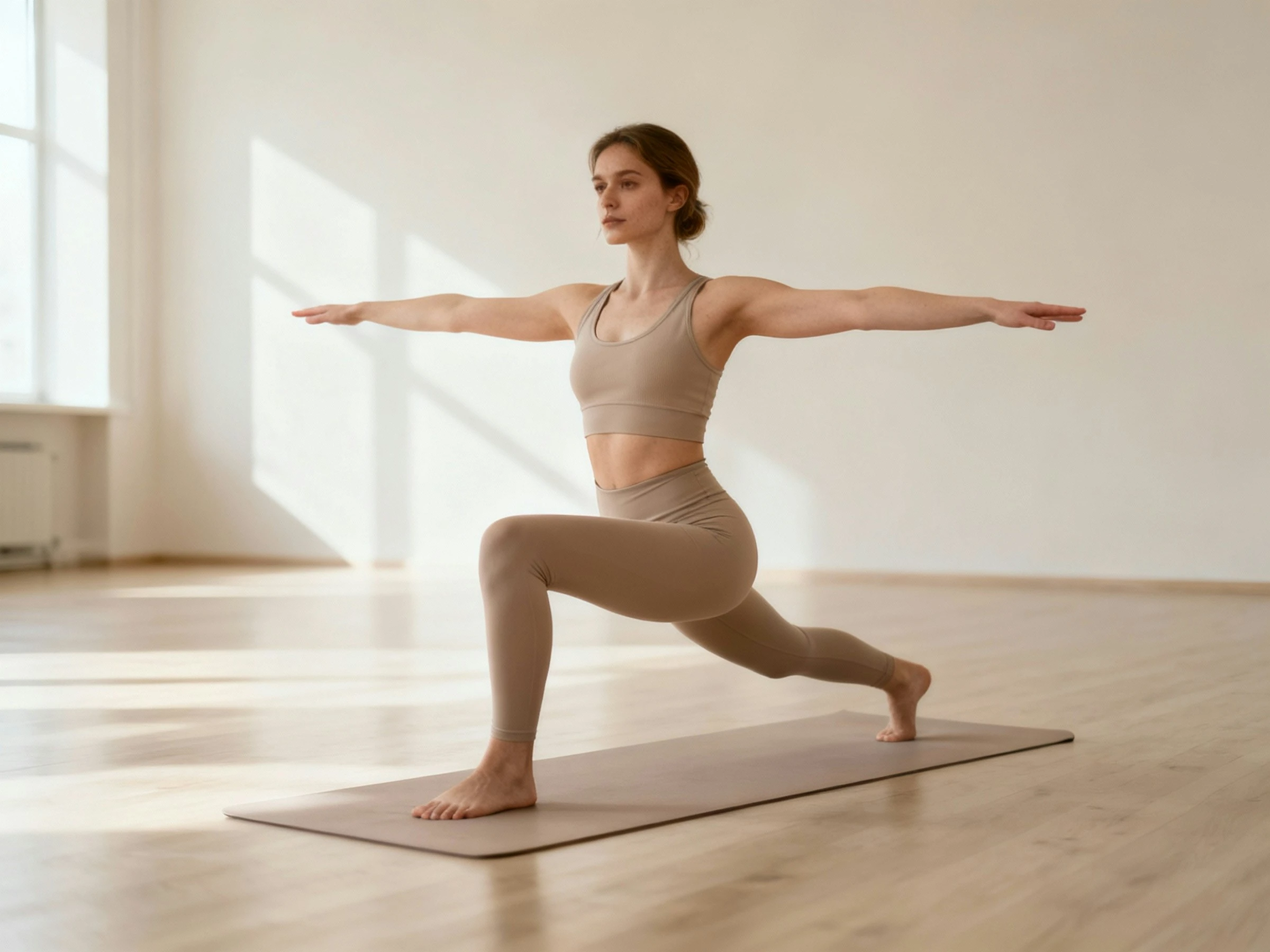
Regular physical activity has emerged as a powerful tool in reducing the risk of COVID-19 infection and its severe outcomes. Studies show that people who engage in recommended levels of exercise are less likely to contract the virus and experience hospitalization or death if infected1. Exercise not only strengthens the immune system but also helps control inflammation, which plays a key role in COVID-19 severity2. Incorporating physical activity into daily routines benefits individuals across all ages and fitness levels, making it an accessible strategy to support health during the pandemic3.
Exercise Lowers Infection and Severe Illness Risk
Physical activity is strongly linked to lower rates of COVID-19 infection and less severe disease outcomes. Epidemiological evidence indicates that individuals who meet or exceed recommended exercise guidelines—150 minutes of moderate or 75 minutes of vigorous activity weekly—experience the greatest protection against severe COVID-1945. Even small amounts of exercise provide meaningful benefits compared to inactivity1112.
Key findings include:
- Physically active individuals have a lower risk of hospitalization and mortality from COVID-1956.
- Higher frequency of physical activity is associated with reduced rates of SARS-CoV-2 infection13.
- Athletes and regularly active people are less likely to require hospital care for COVID-19101112.
- The protective effects of exercise peak at the recommended activity levels but are present even at lower levels45.
- Any amount of physical activity is better than none for reducing COVID-19 risk1011.
A large study from Harvard Medical School involving nearly 62,000 adults aged 45 and older found that those sufficiently active were 10% less likely to develop COVID-19 and 27% less likely to be hospitalized compared to inactive individuals15. This protective effect was especially notable among women15.
However, insufficient activity—below recommended levels—did not confer significant protection, emphasizing the importance of consistent and adequate exercise15. These findings align with other research showing that regular physical activity reduces the risk of viral respiratory infections beyond COVID-19, such as influenza15.
How Exercise Boosts Immunity and Reduces Inflammation
Exercise enhances the immune system’s ability to fight infections and helps regulate inflammation, a key factor in COVID-19 severity. Regular physical activity improves the function of white blood cells and stimulates antibody production in the respiratory tract, strengthening antiviral defenses216. At the same time, exercise prevents the immune system from overreacting, reducing the risk of damaging inflammation216.
Benefits of exercise on immune function and inflammation include:
- Enhanced immune system function and antiviral defense2116.
- Reduced inflammation, which is associated with worse COVID-19 outcomes2120.
- Improved cardiorespiratory fitness and muscular health, which protect against severe COVID-191920.
- Lower risk of chronic diseases like heart disease and diabetes that can compromise immunity3.
- Increased production and circulation of immune cells that help combat pathogens3.
Moderate-intensity activities such as jogging, brisk walking, cycling, and swimming are recommended to optimize immune benefits without causing immune suppression324. Excessive exercise beyond 80–90 minutes per day may temporarily weaken immune defenses and increase susceptibility to infections3.
Exercise also complements other healthy lifestyle behaviors, including adequate sleep and a balanced diet, which together support immune health2116181920. While vaccination, social distancing, masking, and hygiene remain the most effective ways to prevent COVID-19 infection, exercise serves as an important additional strategy21.
Physical Activity Benefits for All Fitness Levels
Physical activity benefits everyone, regardless of age, sex, or physical ability. The greatest risk reduction occurs when people who are typically inactive start incorporating some form of exercise into their routine45. The best exercise is one that is enjoyable and sustainable, encouraging long-term adherence1456789101112.
Important points about physical activity for all individuals include:
Regular physical activity is a key habit to support immune health, especially for people over 50. Moderate-intensity exercise like brisk walking or cycling for 150 minutes per week is recommended to optimize immune defenses and reduce inflammation. Combining exercise with a healthy diet, good sleep, and vaccination offers the best protection against COVID-19.3
- Physical activity is beneficial across all demographic and physical characteristics1112.
- Any form of physical activity is helpful, and enjoyment increases the likelihood of maintaining a routine145.
- Incorporating a variety of exercise types, including resistance training, supports overall health1112.
- Even small amounts of exercise significantly reduce the risk of adverse COVID-19 outcomes910.
A recent study involving young women found that those with higher levels of physical activity reported fewer COVID-19 and Long COVID symptoms compared to less active peers1125. This suggests that regular exercise not only reduces infection risk but may also alleviate symptom severity and duration.
For older adults, moderate exercise supports immune function and helps maintain muscle strength, which is critical for reducing severe COVID-19 risk233. Resistance training is especially recommended at least twice weekly to preserve muscular health3.
| Exercise Level | COVID-19 Risk Reduction | Notes |
|---|---|---|
| Inactive | Baseline risk | No protective effect |
| Low activity (e.g., <150 min/week) | Some risk reduction, less than recommended level456 | Better than none but less protective |
| Recommended activity (≥150 min moderate or 75 min vigorous/week) | Greatest reduction in hospitalization and mortality101112 | Optimal for immune and health benefits |
| Excessive exercise (>300 min/week) | Possible immune suppression324 | Avoid overtraining to prevent immune weakening |