covid-test-accuracy-for-eg5-and-ba286-variantscovid-test-accuracy-for-eg5-and-ba286-variants">COVID-19 continues to circulate globally, with new variants emerging regularly, making vaccination a critical tool to reduce severe illness and death1. After exposure to the virus, timing vaccination appropriately can optimize immune protection and reduce the risk of illness2. Understanding when to get vaccinated after exposure or infection helps maximize vaccine benefits and supports public health efforts3.
Getting Vaccinated After COVID Exposure
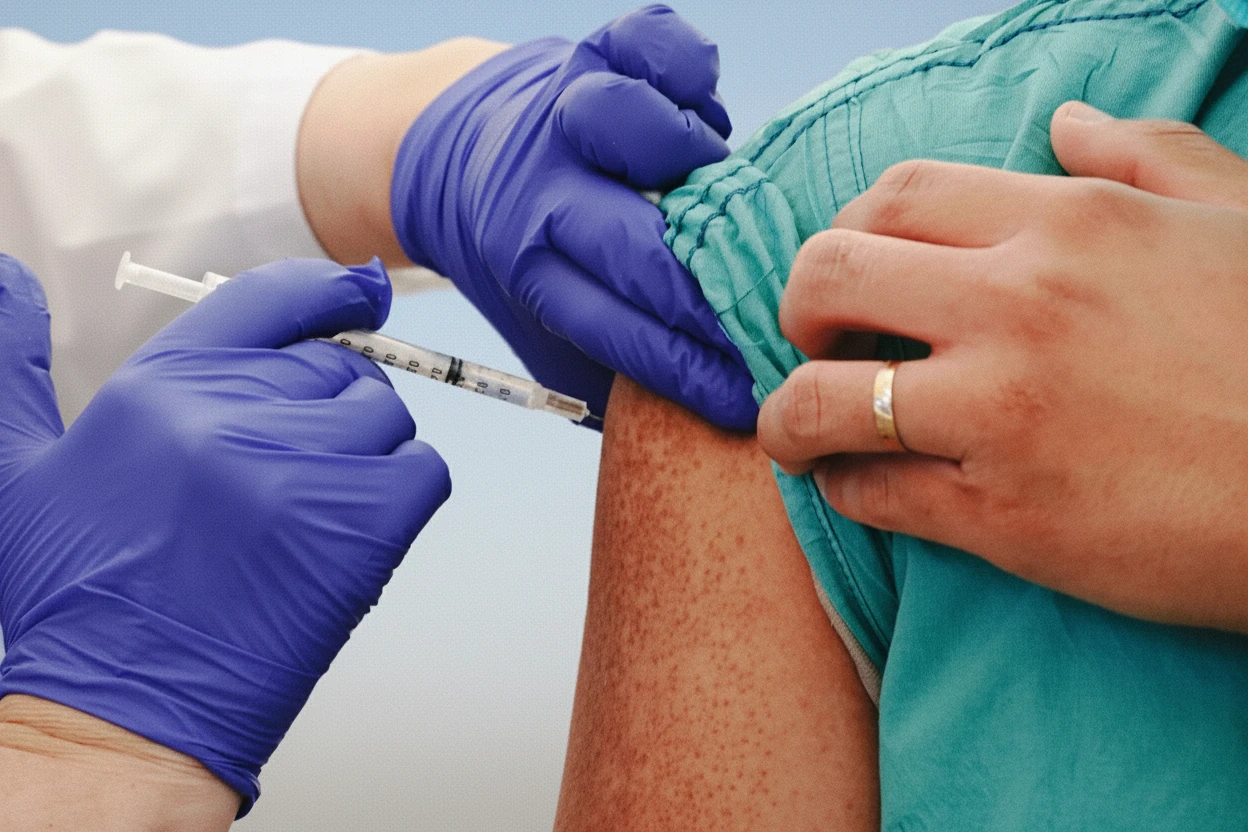
COVID-19 vaccines work by introducing segments of the virus’s spike protein to the immune system, prompting it to build memory and produce antibodies without causing infection3. The immune response to vaccination develops over about two weeks, during which the body prepares to recognize and fight the virus upon future exposure3. Because many people have prior immunity from vaccination or infection, their immune systems often recognize SARS-CoV-2 and respond quickly when re-exposed3.
The incubation period for the Omicron variants, including the latest subvariants, is typically 2 to 5 days3. This period is important when considering vaccination timing after exposure. It is generally recommended to wait until after this incubation period or until symptoms resolve before getting vaccinated to avoid overlapping immune responses or vaccinating during active illness4.
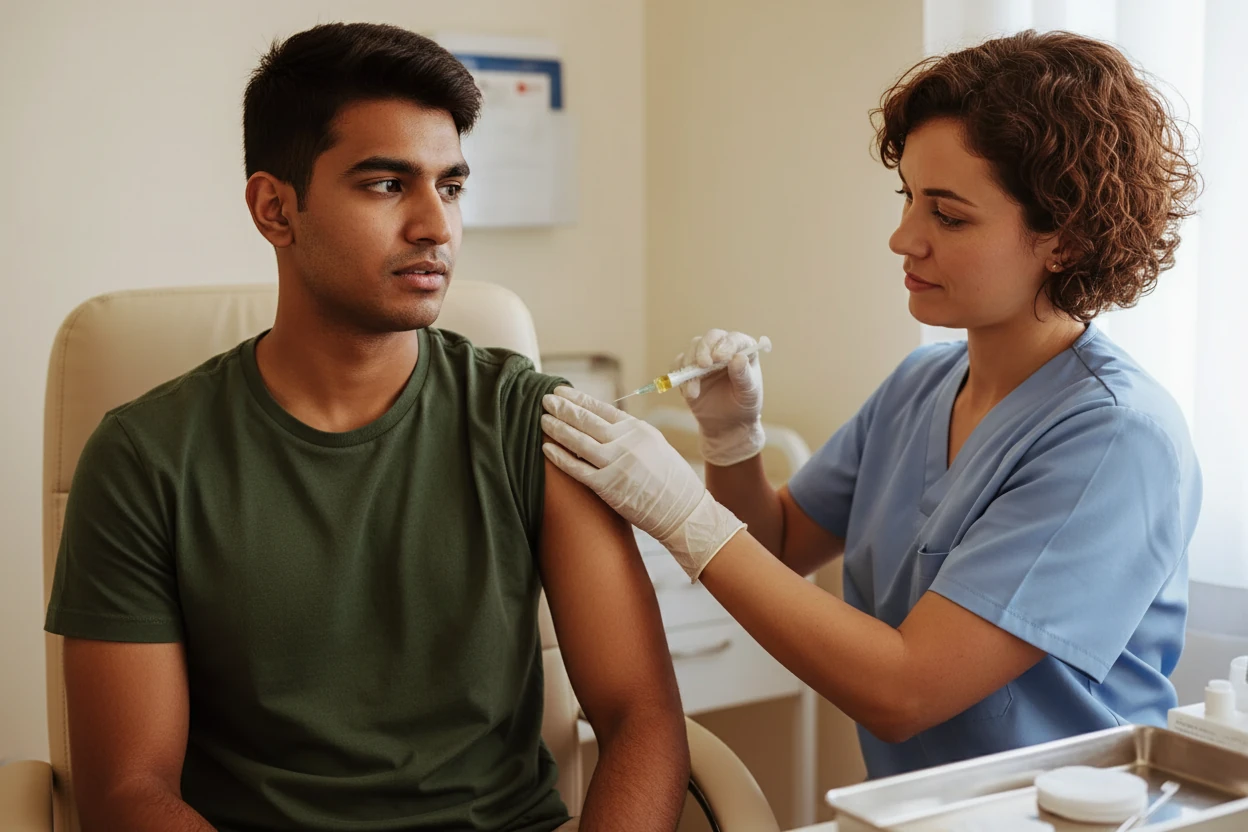
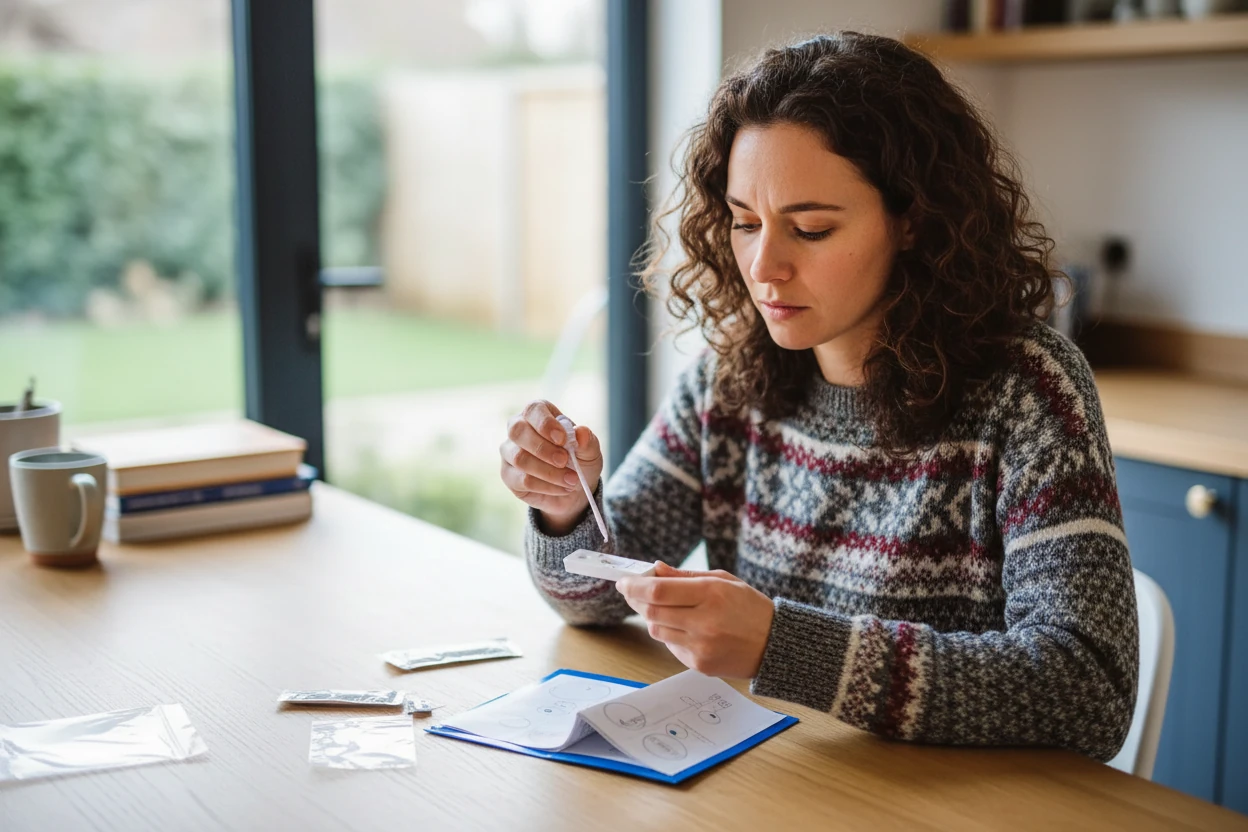
People who have been exposed but are asymptomatic and test negative may still choose to get vaccinated immediately. Vaccination at this time can boost immune protection, especially against severe illness from future exposures, although it takes about two weeks for the vaccine to provide full immunity32. However, if a person tests positive or develops symptoms, vaccination should be delayed until recovery and the end of isolation to prevent spreading the virus and to ensure the immune system is not overwhelmed5.
“If you haven’t been boosted, maybe that exposure may be that trigger for you to actually go out and get that vaccine.”
— Family Medicine Doctor, Mayo Clinic7
Current public health guidance for those exposed to COVID-19 varies based on vaccination status:
- If up to date on vaccination and asymptomatic, individuals should wear masks for 10 days and test on day 5 if possible6.
- If not up to date or unvaccinated, a 5-day quarantine is recommended, followed by masking for an additional 5 days6.
Vaccination remains a key strategy to reduce severe outcomes, even after exposure, especially for high-risk groups such as older adults and those with chronic conditions4.
Asymptomatic After COVID Exposure Explained
Not everyone exposed to SARS-CoV-2 becomes infected or develops symptoms. Whether infection occurs depends on several factors including the individual’s immune status, underlying health conditions, the amount of virus they were exposed to, and the viral shedding level of the source case3. A strong immune system, prior vaccination, or previous infection can reduce the likelihood of illness after exposure3.
However, not getting sick after exposure does not guarantee immunity. Vaccination remains important to maintain and enhance protection against COVID-19, especially as the virus continues to mutate and circulate widely3. High-risk groups such as older adults, people with chronic diseases, and immunocompromised individuals are strongly encouraged to receive updated vaccines to reduce their risk of severe disease4.
For healthy younger adults, vaccination decisions should be personalized, ideally made in consultation with a trusted healthcare provider, considering individual risk factors and exposure history4.
- Infection risk after exposure depends on:
- Immune system strength and prior immunity3
- Presence of comorbidities such as diabetes or obesity3
- Intensity and duration of exposure to the virus3
- Viral load shed by the infected person3
COVID-19 is now considered endemic, meaning the virus will likely persist in the population. Continued vaccination efforts are essential to reduce severe illness and hospitalizations3.
“You must make that informed decision and have an honest conversation with your physician who you trust. This is unfortunately here to stay.”7
When to Get Vaccinated After COVID Infection
After recovering from COVID-19, the timing of vaccination is important to maximize immune protection. Natural immunity following infection is generally robust for 3 to 6 months, during which the body has heightened defense against reinfection34. Vaccination after this period helps boost waning immunity and extends protection, especially with updated bivalent vaccines targeting current variants48.
The Centers for Disease Control and Prevention (CDC) recommends that individuals may delay COVID-19 vaccination for up to 3 months after infection to optimize the immune response4. Vaccinating sooner than this is safe but may provide less additional benefit since the immune system is already activated3. Delaying vaccination allows the immune memory to wane slightly before boosting it again, which can prolong vaccine effectiveness4.
“Your body is already at maximum in terms of responding to COVID. Waiting a few months allows the immune system’s memory to wane before vaccination ramps it back up, extending protection.”7
Updated vaccines for the 2024–2025 season are recommended for everyone aged 6 months and older, including those who have had COVID-19, to protect against emerging variants such as JN.191. Vaccination is especially important before seasonal increases in COVID-19 cases to reduce the risk of severe illness, hospitalization, and death4.
| Timing After COVID Infection | Recommendation | Reasoning |
|---|---|---|
| Immediately after recovery (within 3 months) | Vaccination is safe but may provide less additional benefit3 | Immune system already activated; less boost effect |
| 3 months or more after infection | Recommended to receive updated vaccine4 | Maximizes immune memory boost and prolongs protection |
| If treated with monoclonal antibodies or convalescent plasma | Delay vaccination for 90 days9 | To avoid interference with treatment efficacy |
People with immunocompromising conditions or those at high risk of severe COVID-19 should discuss vaccination timing with their healthcare provider, as they may benefit from earlier or additional doses410.