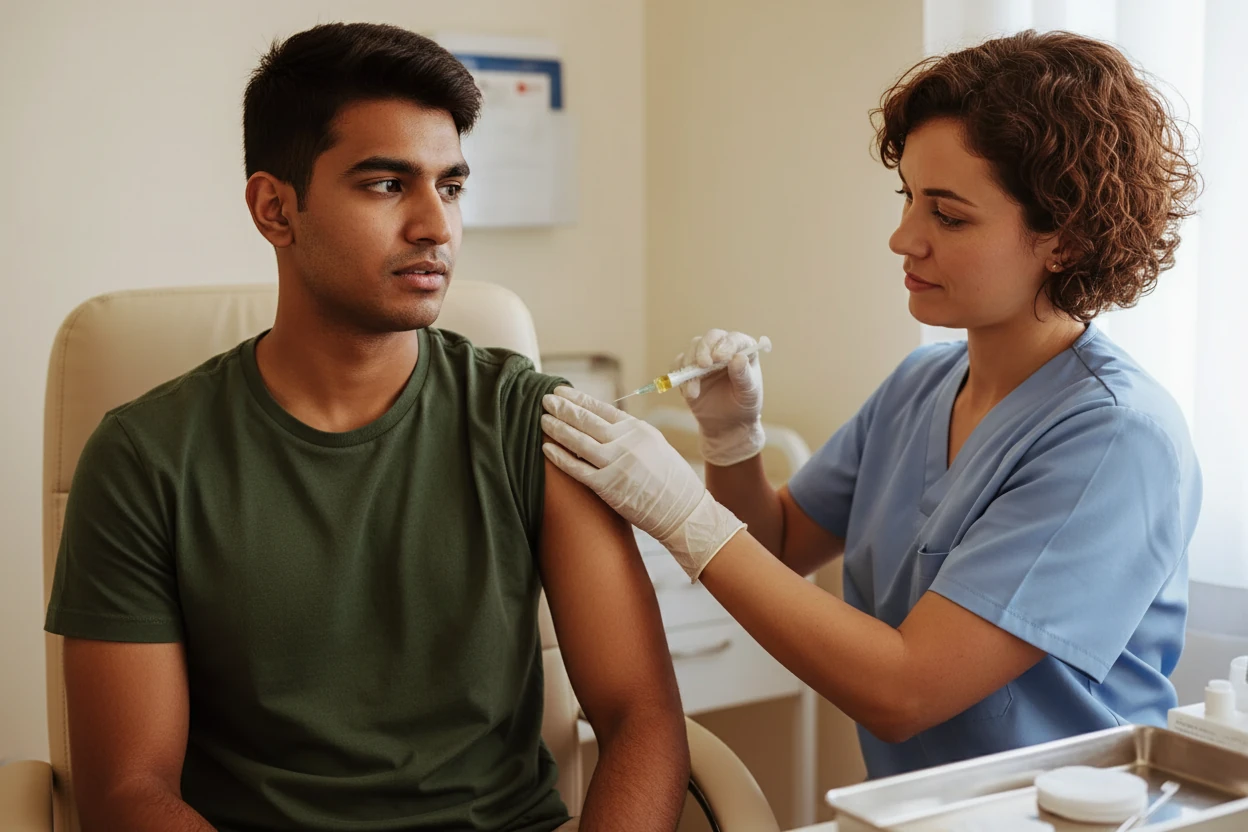
Millions of people in the United States are recommended to receive the updated 2024–2025 covid-test-accuracy-for-eg5-and-ba286-variantscovid-test-accuracy-for-eg5-and-ba286-variants">COVID-19 vaccine to maintain protection against severe illness, hospitalization, and death1. This updated vaccine targets the most common circulating variants, including Omicron sublineages, and is especially important for adults aged 65 and older or those at high risk1. Understanding when to test for COVID-19 before getting your booster and how to time your booster for the best immune response can help optimize protection and safety.
💡 Did You Know? The CDC recommends the updated COVID-19 vaccine for most adults aged 18 and older, including those who have had COVID-19 or long COVID, to maintain protection1.
COVID Testing With Booster Symptoms
COVID-19 infection can often be asymptomatic, meaning many infected individuals carry and spread the virus without showing any symptoms2. Because of this, routine COVID-19 testing before vaccination is generally not recommended for people without symptoms or known exposure3. The Centers for Disease Control and Prevention (CDC) advises that vaccination should proceed without prior testing unless symptoms are present or there has been a known exposure to the virus43.
Fever is a critical clinical sign indicating active infection. Vaccination is usually deferred if a person has a fever, as the immune system’s inflammatory response during illness may interfere with vaccine effectiveness and increase the risk of side effects453. Vaccinating during a febrile illness can also complicate clinical assessment by confounding vaccine side effects with illness symptoms43. Furthermore, concurrent illness and vaccination may increase the likelihood of side effects and reduce vaccine tolerability4.
Testing remains an essential tool for individuals who are symptomatic to prevent transmission and guide appropriate care2. People experiencing new respiratory symptoms or systemic signs of illness should consider getting tested before receiving their booster3. However, if symptoms are mild and there is no fever or evidence of active infection, vaccination can proceed safely3.
Key points for testing before your booster:
- COVID-19 can be carried and transmitted without symptoms2.
- Routine testing before vaccination is not recommended unless symptoms or exposure are present3.
- Fever is a key indicator to delay vaccination4.
- Vaccination during active febrile illness may increase side effects and reduce vaccine effectiveness43.
- Symptomatic individuals should get tested to prevent spread and guide care2.
Timing Your Booster for Immune Response
“It is not possible to test positive for COVID-19 because of the vaccine itself, as diagnostic tests detect viral proteins or RNA not present in the vaccine.”67
Timing your COVID-19 booster shot appropriately can enhance your immune response and vaccine effectiveness. The CDC's Advisory Committee on Immunization Practices (ACIP) recommends waiting at least three months after a COVID-19 infection before receiving a booster dose4. This interval helps optimize the immune response by allowing natural infection-induced immunity to mature and reduces overlap with vaccine-induced immunity83.
Studies have shown that spacing vaccination after infection improves antibody responses and protection against COVID-198. Similarly, a minimum two-month gap between vaccine doses is advised to maximize immune memory and the quality of the immune response3. Natural infection provides some immunity, but vaccination remains essential to boost and prolong protection, especially as new variants continue to emerge85.
Boosters are particularly recommended during periods of increased SARS-CoV-2 circulation to enhance community protection4. The updated 2024–2025 COVID-19 vaccines are designed to target the latest circulating variants, including the JN.1 lineage, offering the best available protection19.
Important timing considerations for your booster:
- Wait at least three months after COVID-19 infection before booster vaccination48.
- Maintain a minimum two-month interval between vaccine doses to maximize immune response3.
- Natural infection immunity varies and is less predictable than vaccine-induced immunity8.
- Boosters are recommended during times of increased viral circulation for eligible individuals4.
- Getting the booster sooner than recommended is not harmful but may provide less immune benefit10.
| Timing Factor | Recommendation | Reasoning |
|---|---|---|
| Post-COVID infection interval | Wait 3 months before booster48 | Optimizes immune response and reduces overlap |
| Interval between vaccine doses | Minimum 2 months3 | Maximizes immune memory and durability |
| Booster during viral surge | Recommended4 | Enhances community and individual protection |