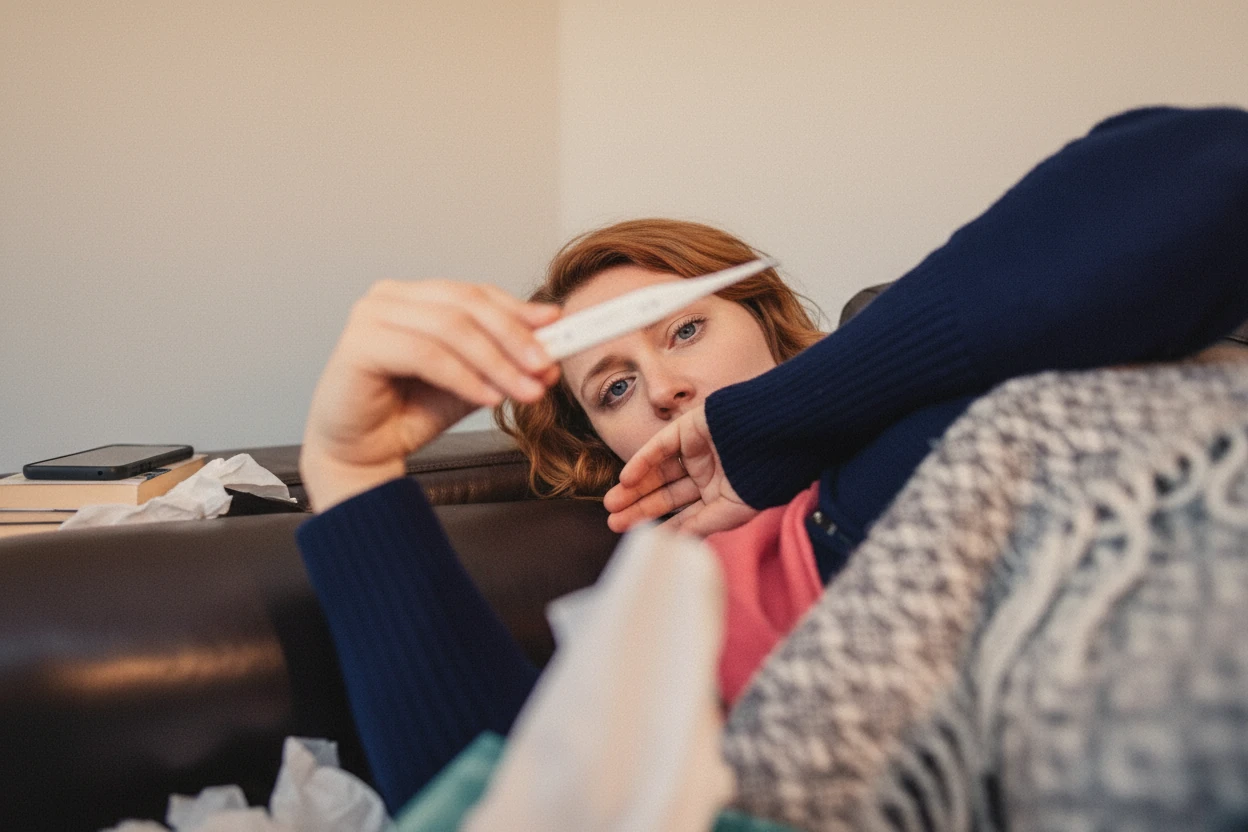
COVID-19 symptoms typically begin within 2 to 14 days after exposure and can last from a few days to several weeks depending on the severity of the illness1. While most people recover within two weeks, some experience prolonged symptoms lasting months or even years, a condition known as long COVID23. Understanding the recovery timeline and what to expect can help patients manage their illness and know when to seek medical care1.
COVID Recovery Time and Duration
Recovery from COVID-19 varies widely based on illness severity, patient age, and underlying health conditions45. Mild to moderate cases usually resolve within 10 to 14 days, with symptoms often improving by the fourth week6. Severe cases may require hospitalization, including intensive care, and can take weeks to months to recover fully51.
Long COVID, characterized by symptoms lasting beyond 24 weeks, affects a significant minority of patients and can persist for 18 months or more after initial infection273. Risk factors for prolonged recovery include older age and comorbidities such as diabetes, heart disease, obesity, and asthma8910. Serious complications like acute respiratory distress syndrome (ARDS) and pneumonia can extend recovery time and increase morbidity11512.
The incubation period—the time from exposure to symptom onset—averages 4 to 6 days but can range from 2 to 14 days, influenced by viral variants such as omicron-subvariant-key-facts-and-updatesOmicron, which has a shorter incubation period1314. This incubation period may also correlate with illness duration, with shorter incubation linked to faster recovery1.
| Illness Severity | Typical Recovery Time | Notes |
|---|---|---|
| Mild to Moderate | 7 to 14 days | Symptoms may last into the fourth week61 |
| Severe (Hospitalized) | Weeks to months | ICU stay averages about 7.9 days5 |
| Long COVID | 24 weeks to 18+ months | Symptoms can persist or fluctuate273 |
💡 Did You Know? Some patients with mild COVID-19 may still experience symptoms such as fatigue and cognitive impairment for months after infection215.
Common COVID-19 Symptoms
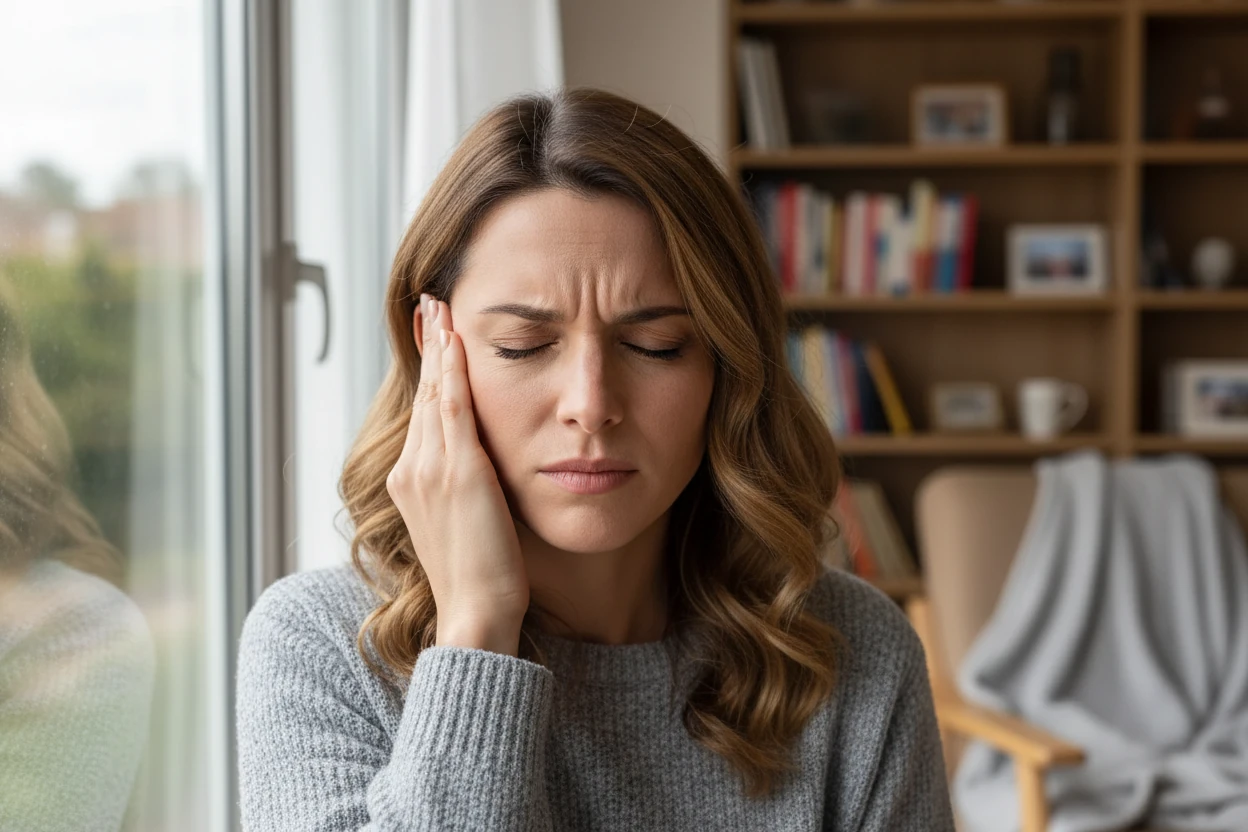
COVID-19 presents with a wide range of symptoms affecting respiratory, neurological, and gastrointestinal systems416. Common symptoms include:
- Fever or chills417
- Dry cough or cough with sputum418
- Fatigue and muscle aches41
- Loss or change in taste and smell1619
- Sore throat and headache417
- Shortness of breath and chest tightness, more common in severe cases517
- Gastrointestinal symptoms such as diarrhea, nausea, and vomiting2021
Symptoms can evolve over time and vary between individuals. Mild cases often resemble a common cold or flu, while severe cases may develop pneumonia or ARDS, leading to respiratory distress and requiring oxygen therapy or mechanical ventilation11512.
Long COVID symptoms are diverse and may include:
- Fatigue, especially after physical or mental activity2210
- Cognitive impairment or "brain fog"1522
- Sleep disturbances and headaches22
- Shortness of breath and persistent cough222
- Heart palpitations and dizziness2210
These symptoms may persist, worsen, or fluctuate over months and can significantly impact quality of life10.
Duration of Positive COVID Test Results
Testing positive for COVID-19 indicates the presence of viral RNA but does not always mean a person is infectious2324. PCR tests can detect viral RNA for weeks to months after infection, sometimes up to three months or longer, even when live virus is no longer present23.
Rapid antigen tests better correlate with infectiousness and typically become negative about nine days after symptom onset in most patients4. However, some individuals, especially those who are immunocompromised or severely ill, may shed infectious virus for longer periods23.
Persistent positive PCR results beyond 14 days have been linked to prolonged viral shedding and may be associated with worse clinical outcomes, including delirium, longer hospital stays, and increased mortality risk24. Patients with persistent viral shedding may require closer follow-up to monitor for complications24.
“This study is one of the first to inform the care of patients who continue to test positive for COVID-19. This suggests that the presence of positive PCR tests has important clinical implications for patients.”
— Ayush Batra, MD, Northwestern Medicine24
When You're Safe to Be Around Others
Most people with COVID-19 are no longer infectious after about 10 days from symptom onset, provided their symptoms have improved and they have been fever-free for at least 24 hours without fever-reducing medications234. Infectious virus is rarely isolated beyond 20 days in most patients23.
Isolation can typically end when:
- Symptoms are improving23
- Fever has resolved for at least 24 hours without medication23
- At least five days have passed since symptoms began2317
After isolation, continued masking and social distancing for several days help reduce transmission risk, especially around vulnerable individuals25. PCR tests may remain positive for weeks or months but do not indicate infectiousness during this period23.
Immunocompromised or severely ill patients may shed infectious virus longer and require individualized isolation guidance23. Healthcare providers can assist in determining safe timing for ending isolation based on clinical status23.
“The patients in our study were much more likely to have been delirious while they were hospitalized, even after adjusting for other factors that put patients at risk for delirium. Patients with persistent viral shedding may need more follow-up care to monitor for development of complications following COVID-19.”
— Eric Liotta, MD, Northwestern Medicine24
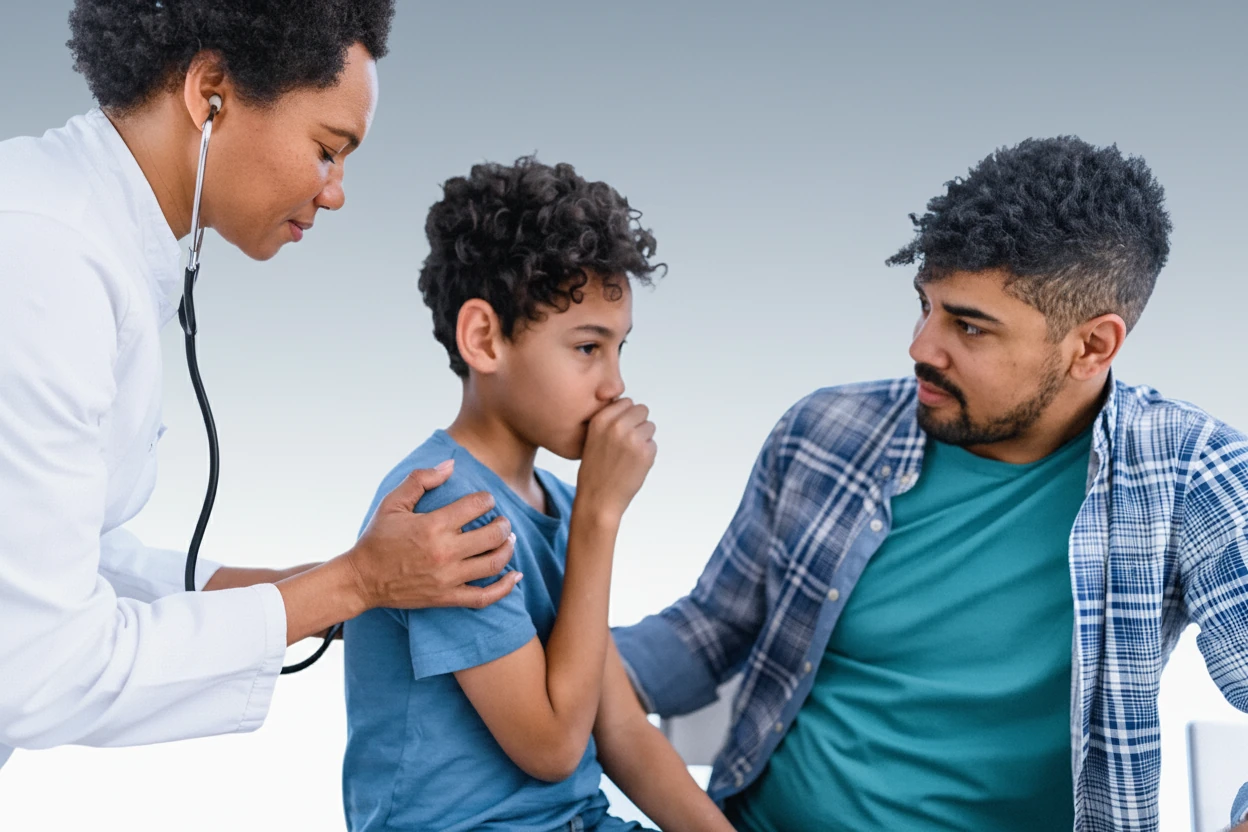
When to Contact Your Healthcare Provider
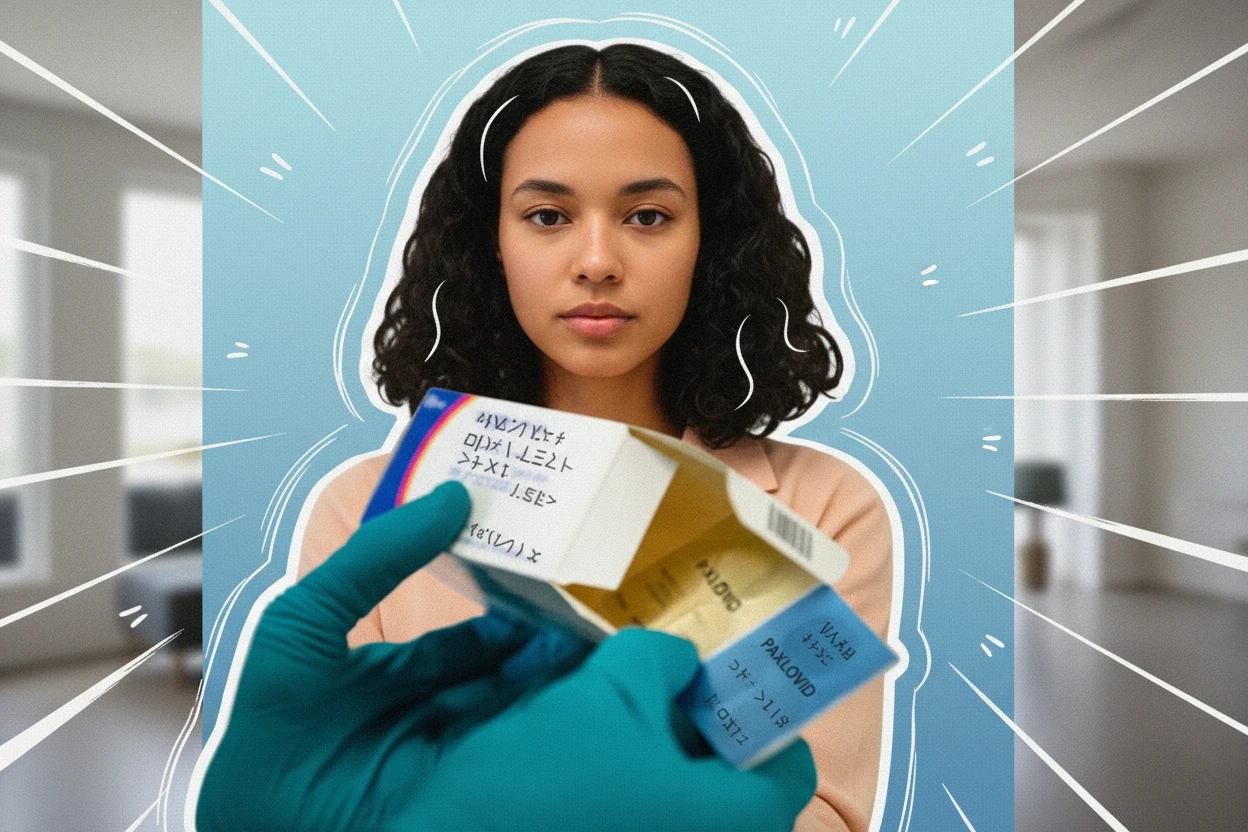
It is important to seek medical advice if COVID-19 symptoms worsen or do not improve after a few weeks, especially in individuals at higher risk for severe disease234. Early antiviral treatment, such as Paxlovid, is most effective when started within five days of symptom onset and can reduce the risk of severe illness23.
Contact your healthcare provider if you experience:
- Difficulty breathing or shortness of breath17
- Persistent chest pain or pressure17
- New confusion or inability to stay awake17
- Bluish lips or face17
- Symptoms lasting longer than expected or new symptoms developing after recovery210
Patients should inform providers about their medical history, underlying conditions, and current medications to tailor treatment plans23. Masking during healthcare visits helps reduce transmission risk25.
Key Takeaways
- Most mild to moderate COVID-19 cases resolve within 7 to 14 days, but symptoms can last longer in some individuals46.
- Severe cases may require hospitalization and have prolonged recovery times extending weeks to months51.
- Long COVID affects a significant minority, with symptoms such as fatigue and cognitive impairment persisting for months or even over a year23.
- Infectious virus is rarely shed beyond 20 days, and most patients are not infectious after 9 to 10 days from symptom onset234.
- Early medical consultation and antiviral treatment improve outcomes, especially for high-risk individuals234.