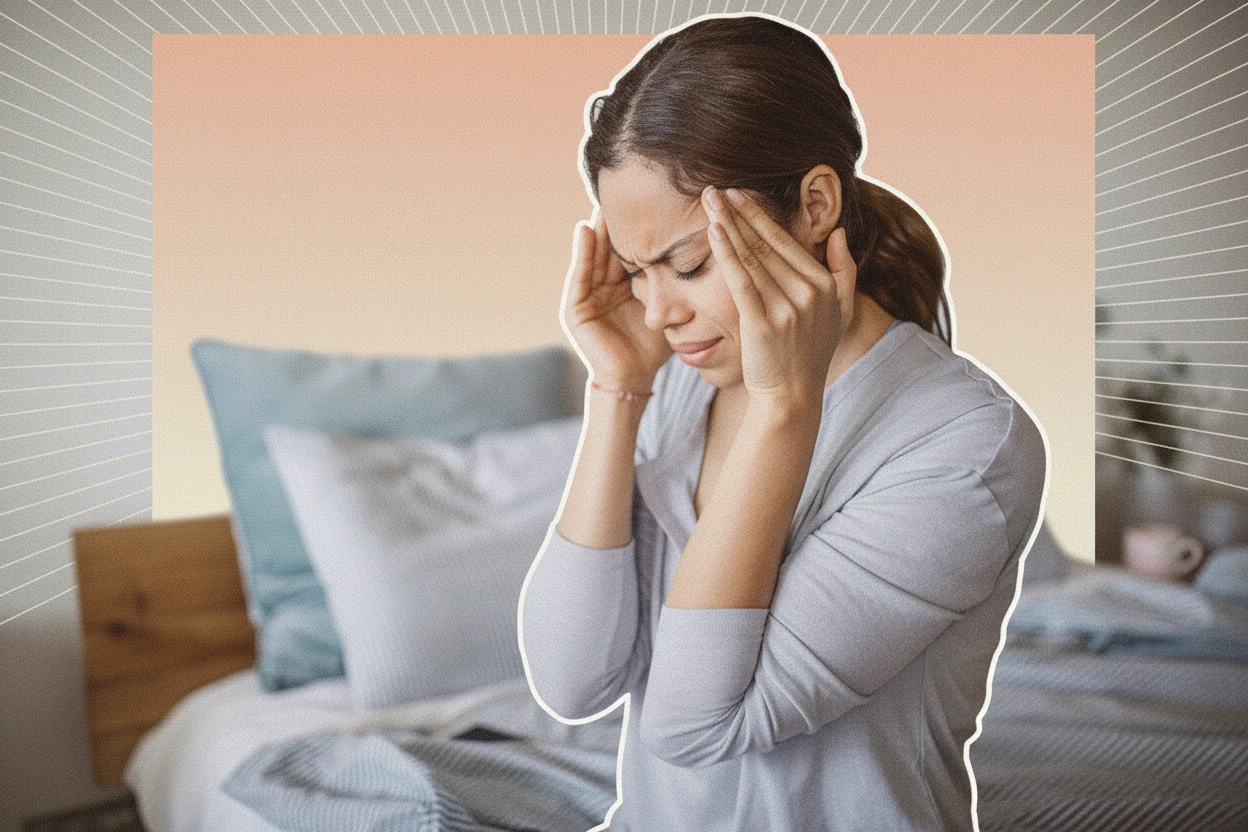
Headache is a common symptom experienced by many people infected with covid-test-accuracy-for-eg5-and-ba286-variantscovid-test-accuracy-for-eg5-and-ba286-variants">COVID-19, affecting about half of those diagnosed with the virus1. It often appears early in the illness and can sometimes be the only symptom present1. While most COVID-19 headaches resolve within a few days, some individuals experience persistent headaches lasting weeks or even months, a condition associated with long COVID2. Understanding the symptoms, causes, duration, and treatment options for COVID-19 headaches can help patients manage this challenging symptom effectively3.
COVID Headache Symptoms and Characteristics
COVID-19 headaches are among the most frequent neurological symptoms of the infection, reported in approximately 14% to over 60% of patients depending on the study4. These headaches often start early in the disease course and may be the first or only symptom56. The pain is typically moderate to severe, affecting both sides of the head (bilateral), and can resemble migraine or tension-type headaches78.
“COVID-19 headaches often feel pressing and severe, like a tension headache. They can be persistent rather than coming and going.”
— Ben Koprowski, Medical News Today11
Common features of COVID headaches include:
- Moderate to severe intensity with a pressing or tightening sensation910
- Bilateral throbbing or tension-type pain, often located in the frontotemporal or periorbital (around the eyes) regions411
- Sensory sensitivities such as photophobia (light sensitivity) and phonophobia (sound sensitivity)1211
- Associated symptoms like nausea and vomiting, similar to migraine headaches1211
- Aggravation by coughing, physical exertion, or head movements810
People who experience loss of taste (ageusia) or smell (anosmia) during COVID-19 are more likely to have headaches with phonophobia12. The headache may feel like a tight band pressing on the sides or front of the head and can be persistent rather than intermittent11.
Duration of COVID Headaches
The length of COVID-19 headaches varies widely among individuals. Most headaches last a few hours to several days during the acute phase of infection1314. One study found the average duration of COVID headaches to be about four days1. However, for some people, headaches persist well beyond the initial illness, lasting weeks or months as part of long COVID or post-acute sequelae of SARS-CoV-2 infection (PASC)15162.
Persistent headaches after COVID-19 infection can be disabling and may occur even in people without a prior history of headaches1317. Approximately 37.8% of patients with COVID-related headaches report ongoing pain weeks after infection13. Long COVID headaches often have a migraine-like quality and may be accompanied by other neurological symptoms such as brain fog and fatigue18.
Factors associated with longer-lasting headaches include younger age, a history of migraine or recurrent headaches, and the presence of headaches early in the COVID-19 illness2. Some patients experience a new daily persistent headache (NDPH) phenotype, characterized by continuous headache pain lasting for months1920.
Common Causes of COVID Headaches
The exact cause of COVID-19 headaches is not fully understood, but several mechanisms are believed to contribute to their development. These include:
- Activation of the trigeminal nerve: The virus may directly invade or irritate trigeminal nerve endings in the nasal cavity, triggering headache pain21810.
- Systemic inflammation: The body's immune response releases cytokines and proinflammatory molecules that cause inflammation in blood vessels and nerves in the brain, leading to headache21223.
- Vascular dysfunction: COVID-19 can cause damage to small blood vessels in the brain, contributing to headache symptoms10.
- Hypoxia (low oxygen levels): Reduced oxygen in the blood during COVID-19 can worsen headache severity219.
- Dehydration and fever: These common symptoms of COVID-19 may exacerbate headache pain93.
COVID headaches may present as migraine, tension-type, or cough headaches, with migraine-like headaches being the most common long COVID symptom231824. The virus’s ability to cross the blood-brain barrier and cause neuroinflammation may also play a role24.
COVID Headache Treatment and Management
Treatment for COVID-19 headaches is mainly supportive and symptom-based. Most patients find relief with common over-the-counter pain relievers such as acetaminophen (paracetamol) and nonsteroidal anti-inflammatory drugs (NSAIDs) like ibuprofen72526. However, it is important to avoid overuse of these medications for more than a week to prevent rebound headaches120.
Additional management strategies include:
- Rest and adequate sleep to support recovery310
- Staying well-hydrated to prevent dehydration-related headache worsening93
- Avoiding caffeine, which can sometimes trigger headaches10
- Stress reduction techniques such as meditation, deep breathing, and gentle stretching3
For persistent or long COVID headaches, preventive treatments may be considered, including tricyclic antidepressants and anti-seizure medications1018. In some refractory cases, botulinum toxin injections or nerve blocks have been explored, though evidence is limited2510.
| Treatment Approach | Notes | Source |
|---|---|---|
| Acetaminophen and NSAIDs | Effective for mild to moderate pain; avoid overuse to prevent rebound headaches | 7261 |
| Rest and hydration | Supportive care to reduce headache severity | 93 |
| Preventive medications | Antidepressants and anti-seizure drugs for long COVID headaches | 1018 |
| Nerve blocks and corticosteroids | Used in refractory cases; limited evidence | 2510 |
COVID-related headaches can range from mild to severe and may continue well after other symptoms have resolved. Inflammation and immune response to the virus are key contributors. Staying hydrated and getting enough rest can help manage symptoms.3
When To Contact Your Doctor
Most COVID-19 headaches are mild and can be managed at home without medical consultation7. However, you should contact your healthcare provider if you experience:
- New or worsening headache patterns, especially if the headache is different from your usual headaches7
- Headaches that occur frequently (two or more times per week)7
- Headaches accompanied by other neurological symptoms such as weakness, confusion, or vision changes7
- Headaches in people with weakened immune systems or other serious health conditions7
- Persistent headaches that do not improve with over-the-counter treatments7
Early medical evaluation can help rule out serious complications and guide appropriate treatment7.
COVID Headache Emergency Warning Signs
Certain headache symptoms may indicate a medical emergency and require immediate attention. Seek emergency care if you experience:
- Sudden, severe headache often described as the "worst headache of your life"7
- Neurological deficits such as weakness, numbness, difficulty speaking, or confusion7
- Signs of meningeal irritation, including neck stiffness and sensitivity to light7
- Headache following head trauma7
- Progressive worsening of headache over several days7
- Severe unilateral headache with eye symptoms like vision loss or eye pain7
- Altered mental status or respiratory distress in the context of COVID-19237
Prompt recognition and treatment of these warning signs are critical to prevent serious complications such as stroke or meningitis727.
Summary of Key Points
- COVID-19 headache is a common symptom, often appearing early and affecting about half of infected individuals14.
- The headache is usually moderate to severe, bilateral, and may have migraine-like or tension-type features7811.
- Headaches can last from hours to several days during acute infection but may persist for weeks or months as part of long COVID132.
- Causes include trigeminal nerve activation, systemic inflammation, vascular injury, hypoxia, and dehydration21229.
- Treatment focuses on symptom relief with acetaminophen, NSAIDs, hydration, rest, and preventive medications for persistent cases72610.
- Contact your doctor if headaches are new, worsening, frequent, or accompanied by neurological symptoms7.
- Emergency care is needed for sudden severe headaches, neurological deficits, or signs of meningeal irritation7.
Frequently Asked Questions
Can a COVID headache be the only symptom of infection?
Yes, headache can sometimes be the first or only symptom of COVID-19, especially early in the disease561.
How long do COVID headaches usually last?
Most COVID headaches last a few days, but some can persist for weeks or months, especially in long COVID cases132.
What causes headaches during COVID-19?
Headaches may result from inflammation, activation of the trigeminal nerve, vascular injury, hypoxia, and dehydration21229.
How are COVID headaches treated?
Treatment usually involves over-the-counter pain relievers like acetaminophen or NSAIDs, rest, hydration, and preventive medications if headaches persist72610.
When should I seek emergency care for a headache during COVID-19?
Seek emergency care if you have sudden severe headache, neurological symptoms, headache after trauma, or progressive worsening of headache7.