Colorectal cancer is the third most common cancer deaths deaths-effects-on-black-womencancer-effects-on-black-womencancer worldwide and a leading cause of cancer-related deaths1. Early detection through screening significantly improves outcomes, with stool-based tests offering a non-invasive and accessible option for average-risk adults starting at age 452. These at-home tests involve collecting a stool sample and mailing it to a lab for analysis, making screening more convenient and increasing participation3.
Collecting a Stool Sample for FIT
The fecal immunochemical test (FIT) is a widely used stool-based screening method for colorectal cancer that detects small amounts of blood in the stool4. FIT kits typically include a sampling bottle, collection paper, detailed instructions, and packaging materials for safe return to the clinic or lab5. Proper collection is essential to ensure accurate test results.
At-home colorectal cancer screening tests such as FIT and stool DNA tests improve accessibility and convenience by enabling individuals to collect stool samples privately and send them for laboratory analysis. These tests are effective for early detection but depend on proper sample collection and timely return to maintain accuracy.23
To collect a stool sample for FIT:
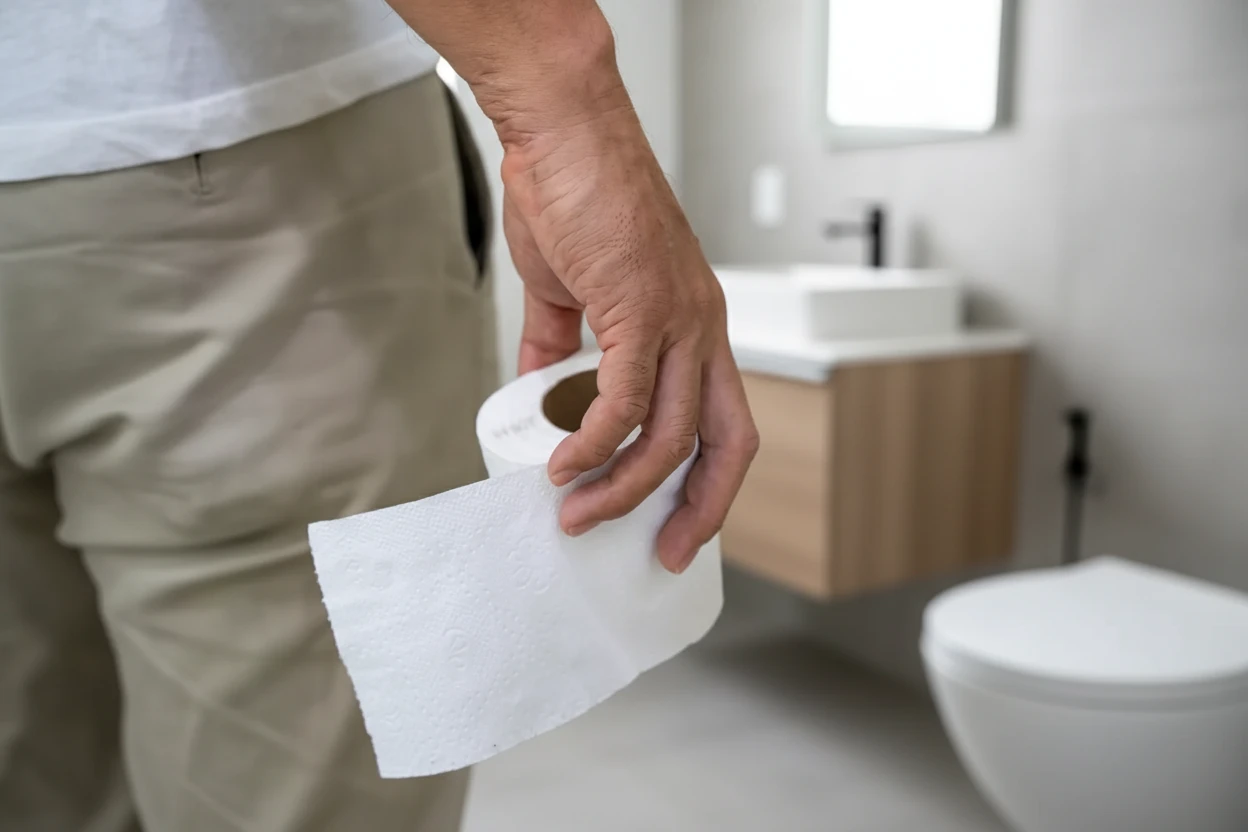
- Place the collection paper or hat on the toilet bowl rim to catch the stool without contamination from toilet water5.
- Avoid urinating on the stool or into the collection device to prevent sample contamination6.
- Use the wand provided in the FIT kit to scrape the surface of the stool before it contacts water, ensuring the grooved portion of the wand is fully covered with stool for an adequate sample5.
- Dispose of the remaining stool and collection paper by flushing them down the toilet5.
- Securely place the sampling wand into the sampling bottle, then wrap the bottle in the absorbent pad and place it inside the biohazard bag5.
- Seal the biohazard bag and place it into the return mailer envelope provided5.
- Label the sample with your name, date of birth, and the date and time of collection to avoid identification errors5.
- Return the completed kit to your clinic by mail or in person within 48 hours of collection to maintain sample integrity57.
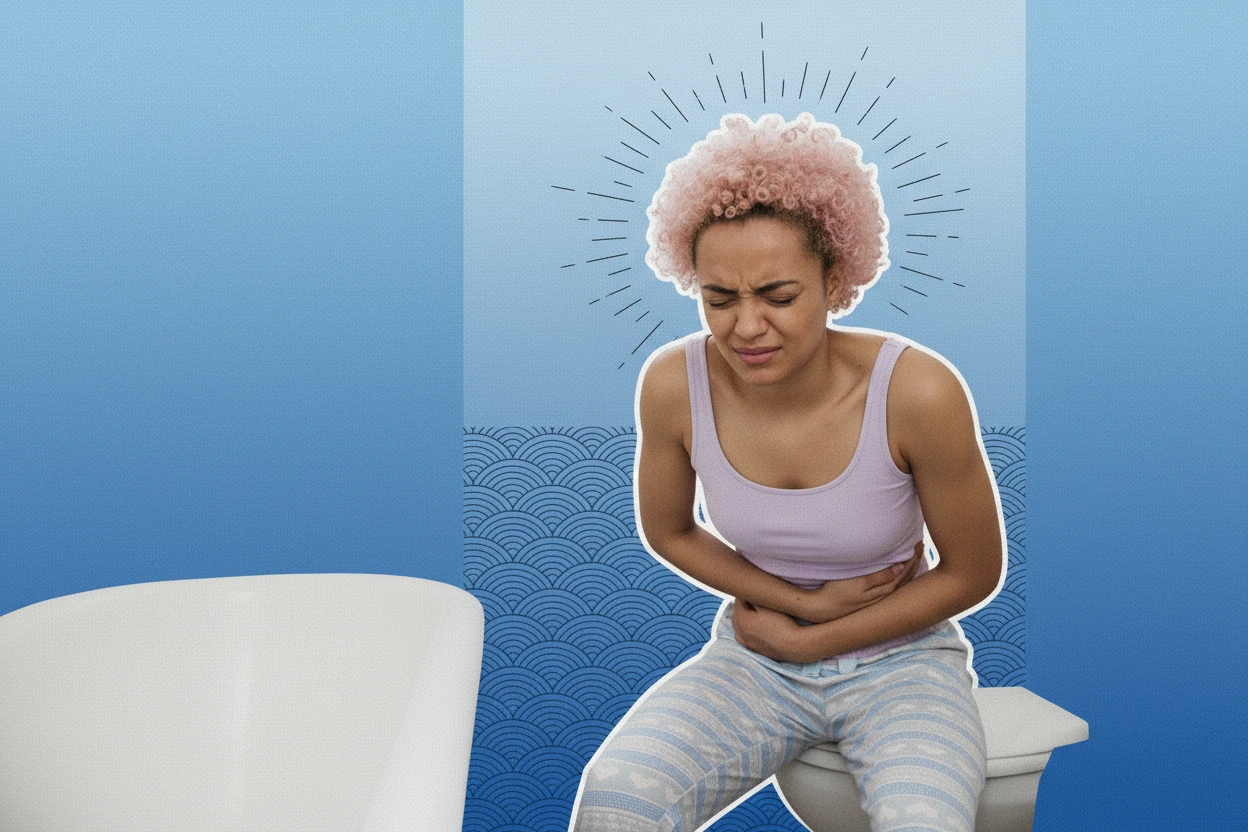
It is important that the stool sample is neither too small nor too large; the sample should be bigger than the bottle's cap but not exceed the bottle size8. If you are sick or have diarrhea, wait until your bowel movements return to normal before collecting the sample8. FIT is designed for annual screening and requires no dietary restrictions or bowel preparation32.