Cirrhosis is a serious liver condition characterized by permanent scarring that disrupts normal liver function and architecture1. Many people with cirrhosis have no symptoms in the early stages, making early detection challenging2. Symptoms typically emerge only after significant liver damage has occurred, often indicating advanced disease3. Understanding the signs of cirrhosis at different stages is crucial for timely diagnosis and management to improve outcomes4.
Early Cirrhosis Symptoms: Subtle Indicators & Initial Changes
In the early or compensated stage of cirrhosis, the liver still performs many of its functions despite ongoing damage5. Symptoms at this stage are often vague and non-specific, which can delay diagnosis2. Common early symptoms include:
- Fatigue and weakness, which are among the most frequent complaints6.
- Loss of appetite and unexplained weight loss4.
- Mild abdominal discomfort or pain, especially in the upper right side of the abdomen1.
- Muscle cramps and muscle loss, affecting up to 68% of patients with cirrhosis7.
- Visible small mcv blood test results meaning and normal range vessels on the skin called spider angiomas and redness on the palms (palmar erythema)1.
These symptoms reflect the liver’s reduced ability to metabolize nutrients and toxins, as scar tissue replaces healthy liver cells7. Muscle cramps and pain can significantly affect quality of life even in early cirrhosis6.
“There are many causes of chronic liver disease, and each one can lead to cirrhosis over time if not detected. It is very important to identify the cause of the liver disease so that treatment can be started to prevent the development of cirrhosis—or prevent progression of cirrhosis if it is already present.”
— David N. Assis, Yale Medicine8
Advanced Cirrhosis Symptoms: Decompensated Liver Disease & Complications
As cirrhosis progresses to the decompensated stage, liver function deteriorates further, and complications arise due to portal hypertension (increased blood pressure in the portal vein) and liver failure9. Advanced symptoms include:
- Jaundice, characterized by yellowing of the skin and eyes due to bilirubin buildup9.
- Ascites, which is the accumulation of fluid in the abdomen caused by portal hypertension and low albumin levels9.
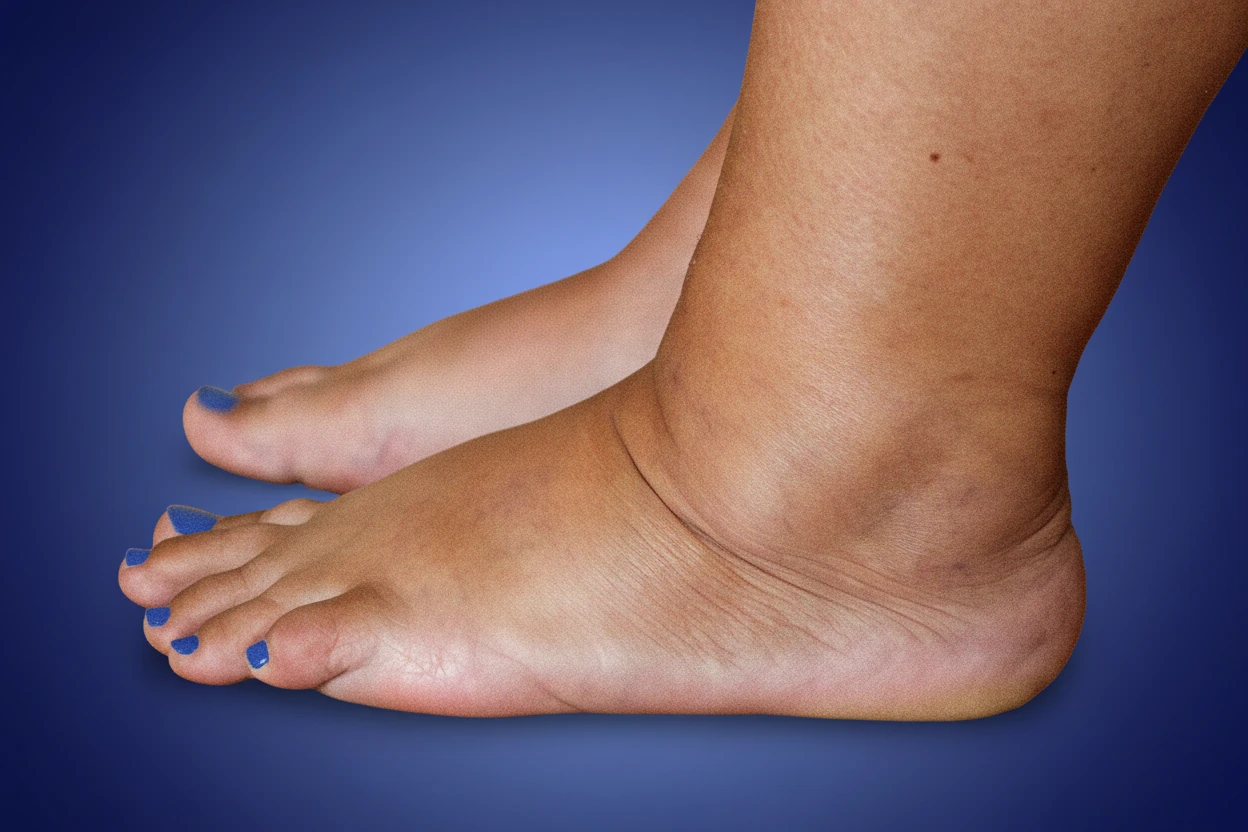
- Peripheral edema, swelling in the legs, feet, and sometimes face, resulting from sodium retention and hypoalbuminemia9.
- Variceal bleeding, a life-threatening complication where enlarged veins in the esophagus or stomach rupture and bleed10.
- Hepatic encephalopathy, a neuropsychiatric condition causing confusion, disorientation, mood changes, and motor dysfunction due to toxin buildup11.
Other symptoms may include dark urine, pale stools, and severe itching without rash (pruritus), reflecting impaired bile flow1. These signs indicate significant liver dysfunction and require urgent medical attention.
“Liver disease is generally asymptomatic. Many people look for signs, but usually if there are signs such as turning yellow or filling up with fluid in your belly, it is far too late to reverse the diagnosis.”
— George Su, WebMD3
Cirrhosis Symptoms by Disease Stage: Compensated vs. Decompensated Liver Function
Compensated Stage
In compensated cirrhosis, the liver maintains enough function to prevent major complications, and many patients remain symptom-free or have mild symptoms5. This stage can last for years, with survival often exceeding a decade if managed properly5. Key features include:
- Non-specific symptoms such as fatigue, anorexia, and weight loss4.
- Significant liver fibrosis may be present without overt symptoms5.
- Muscle cramps and mild abdominal discomfort are common7.
Patients at this stage may not realize they have cirrhosis until routine blood tests or imaging reveal liver abnormalities4.
Decompensated Stage
Decompensated cirrhosis is marked by the onset of clinical complications that significantly worsen prognosis9. Median survival without liver transplantation is 2 to 4 years5. Symptoms defining this stage include:
- Ascites and peripheral edema from fluid accumulation9.
- Jaundice with yellowing of skin and sclera4.
- Gastrointestinal bleeding from varices10.
- Hepatic encephalopathy causing cognitive and motor disturbances11.
- Confusion and altered mental status4.
This stage often requires specialized medical care and interventions to manage complications and improve quality of life.
“Unfortunately, many individuals don't get diagnosed till they are decompensated; hence this is the reason many have the perception that this is a death sentence, but this doesn't always have to be the case.”
— George Su, WebMD3
Pediatric Cirrhosis Symptoms: Unique Manifestations in Children & Infants
Cirrhosis in children is less common but arises from various causes such as genetic, metabolic, and autoimmune disorders12. Early signs in pediatric patients often include:
- Failure to thrive or poor weight gain, which may be the first indication of liver disease12.
- Symptoms and complications similar to adults, including ascites and peritonitis12.
- The compensated stage in children is usually asymptomatic with preserved liver function5.
- Decompensated cirrhosis presents with clinical complications and carries a poor prognosis9.
Early diagnosis and intervention in pediatric cirrhosis are critical to improve survival and quality of life5.
When to Seek Medical Care for Cirrhosis Symptoms: Warning Signs & Urgent Consultation
Timely medical evaluation is essential when symptoms suggest worsening liver function or complications of cirrhosis. Seek healthcare if you experience:
- Jaundice or yellowing of the skin and eyes9.
- Abdominal swelling or pain, especially if accompanied by ascites9.
- Confusion, disorientation, or changes in mental status indicating hepatic encephalopathy11.
- Vomiting blood or black, tarry stools suggesting gastrointestinal bleeding13.
- Persistent muscle cramps and severe fatigue affecting daily activities6.
Early recognition and management can slow disease progression and reduce the risk of life-threatening complications13.
“Early detection and treatment of cirrhosis complications may improve outcomes and delay progression.” —13
Key Cirrhosis Symptom Summary: A Comprehensive Overview
- Early cirrhosis symptoms are often vague and include fatigue, loss of appetite, weight loss, muscle cramps, and mild abdominal discomfort674.
- Advanced symptoms reflect liver failure and portal hypertension, such as jaundice, ascites, peripheral edema, variceal bleeding, and hepatic encephalopathy91110.
- Compensated cirrhosis may be asymptomatic or have mild symptoms, while decompensated cirrhosis presents with serious complications and poor prognosis5.
- Pediatric cirrhosis symptoms mirror adult presentations but often start with growth failure12.
- Prompt medical care is needed for signs of bleeding, jaundice, confusion, or fluid buildup13.
| Symptom Category | Examples | Stage |
|---|---|---|
| Early Symptoms | Fatigue, anorexia, muscle cramps | Compensated |
| Symptoms of Liver Failure | Jaundice, dark urine, pale stools | Decompensated |
| Portal Hypertension Signs | Ascites, peripheral edema, variceal bleeding | Decompensated |
| Neuropsychiatric Signs | Confusion, disorientation, tremors | Decompensated |
Common Questions About Cirrhosis Symptoms & Liver Disease
What causes cirrhosis?
Cirrhosis results from chronic liver damage due to causes such as alcohol-related liver disease, viral hepatitis B and C, nonalcoholic fatty liver disease, autoimmune diseases, and genetic disorders183.
Can cirrhosis be reversed?
The scarring in cirrhosis is permanent and cannot be undone. However, treating the underlying cause can slow or stop progression, especially if detected early18.
“MASLD is one of the most common liver diseases, so recognizing and treating the risk factors underlying this is very important.”
— George Su, WebMD3
Why are early symptoms so hard to detect?
Early cirrhosis often causes no symptoms or only vague signs like fatigue and mild discomfort, which can be mistaken for other conditions23.
What are the complications of cirrhosis?
Complications include portal hypertension, ascites, variceal bleeding, hepatic encephalopathy, kidney failure, and liver cancer91.
How is cirrhosis diagnosed?
Diagnosis involves physical examination, blood tests for liver function, imaging studies such as ultrasound or MRI, and sometimes liver biopsy41.