Cholecystitis is inflammation of the gallbladder, a small organ located under the transaminitis causes symptoms and liver effects on the right side of the abdomen that stores bile, a fluid essential for digestion1. Most cases of cholecystitis are caused by gallstones blocking the bile ducts, leading to bile buildup and irritation2. This condition can cause severe abdominal pain and digestive problems, and if left untreated, it may result in serious complications such as gallbladder rupture or infection13. Understanding the symptoms and signs of gallbladder inflammation is crucial for timely diagnosis and treatment.
Abdominal Pain Symptoms
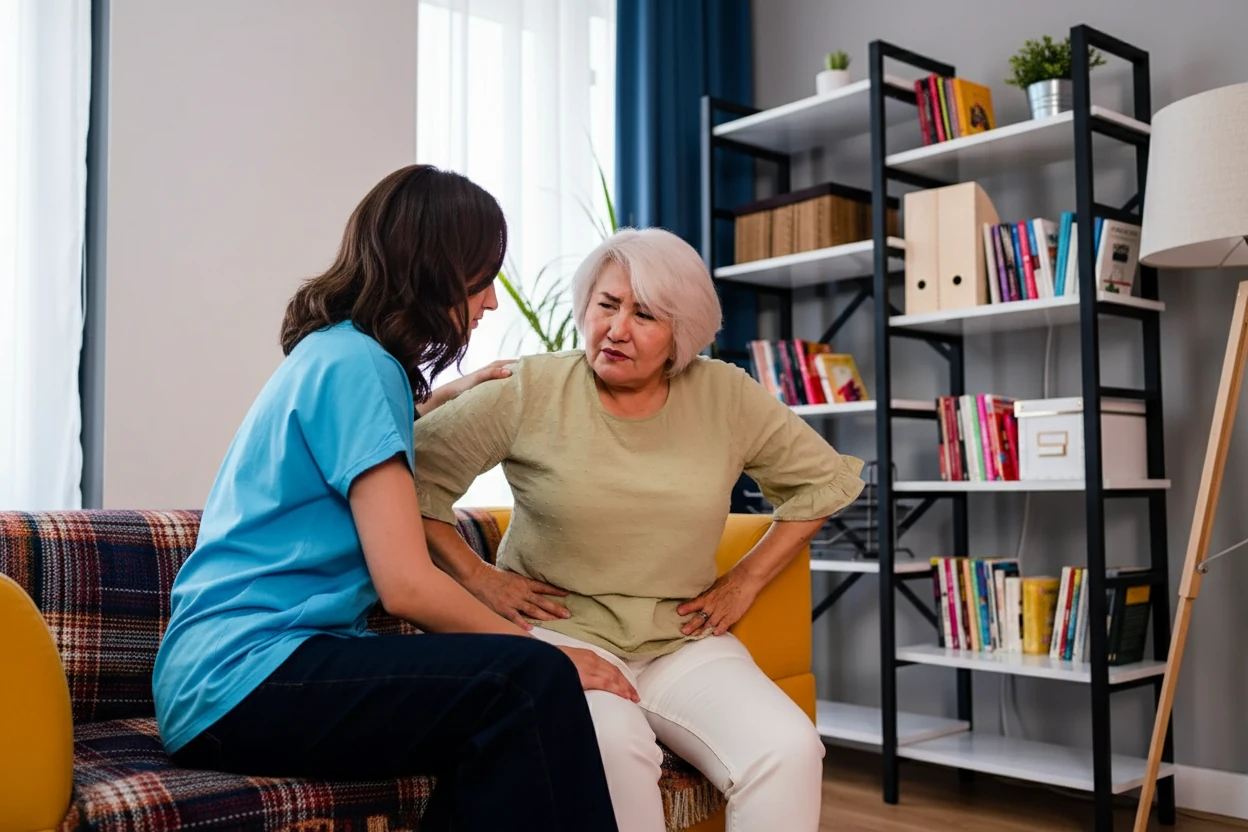
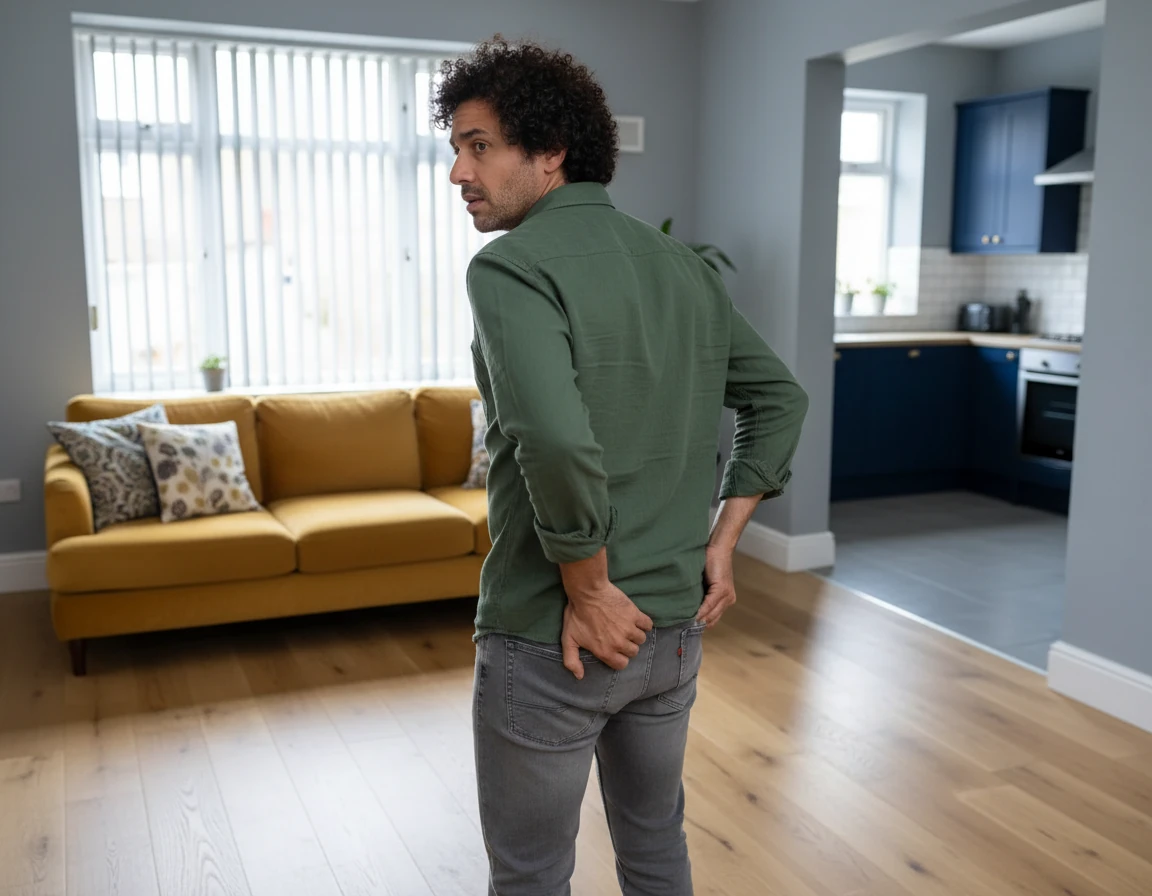
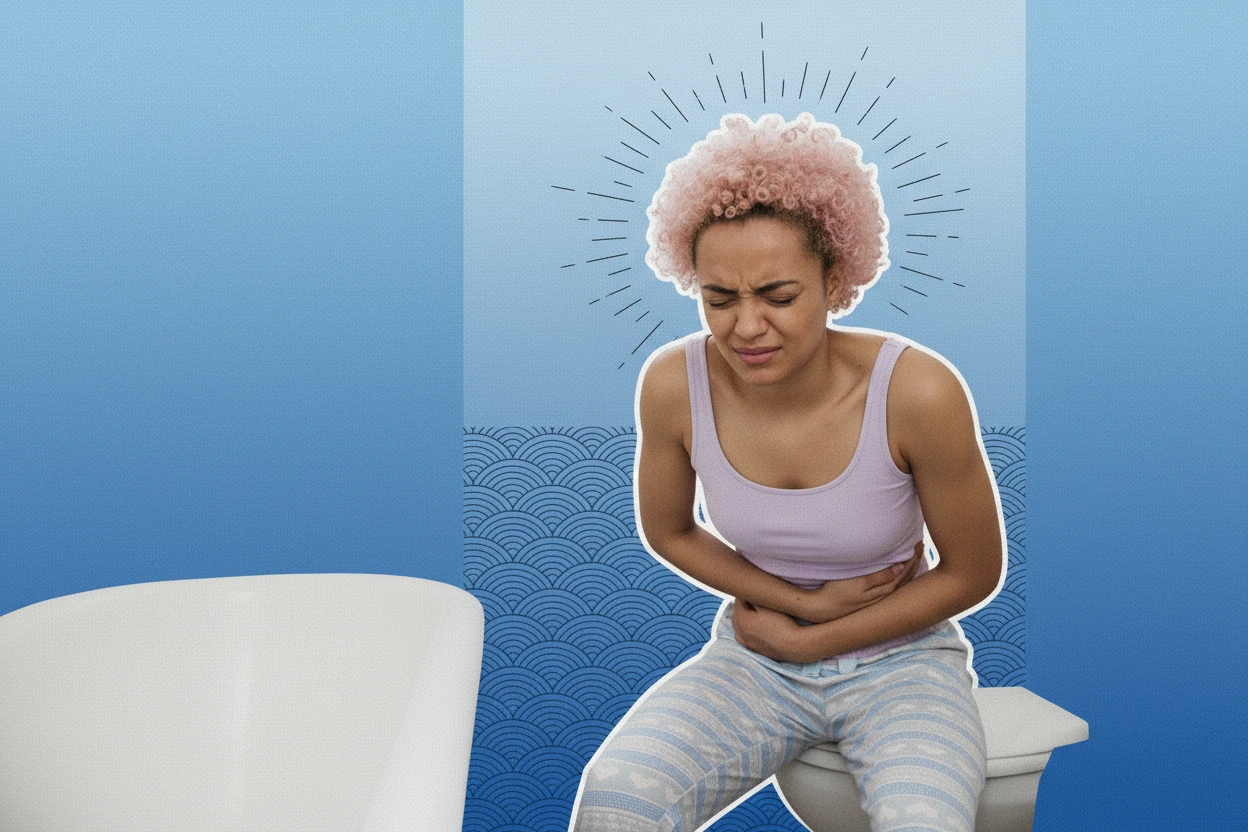
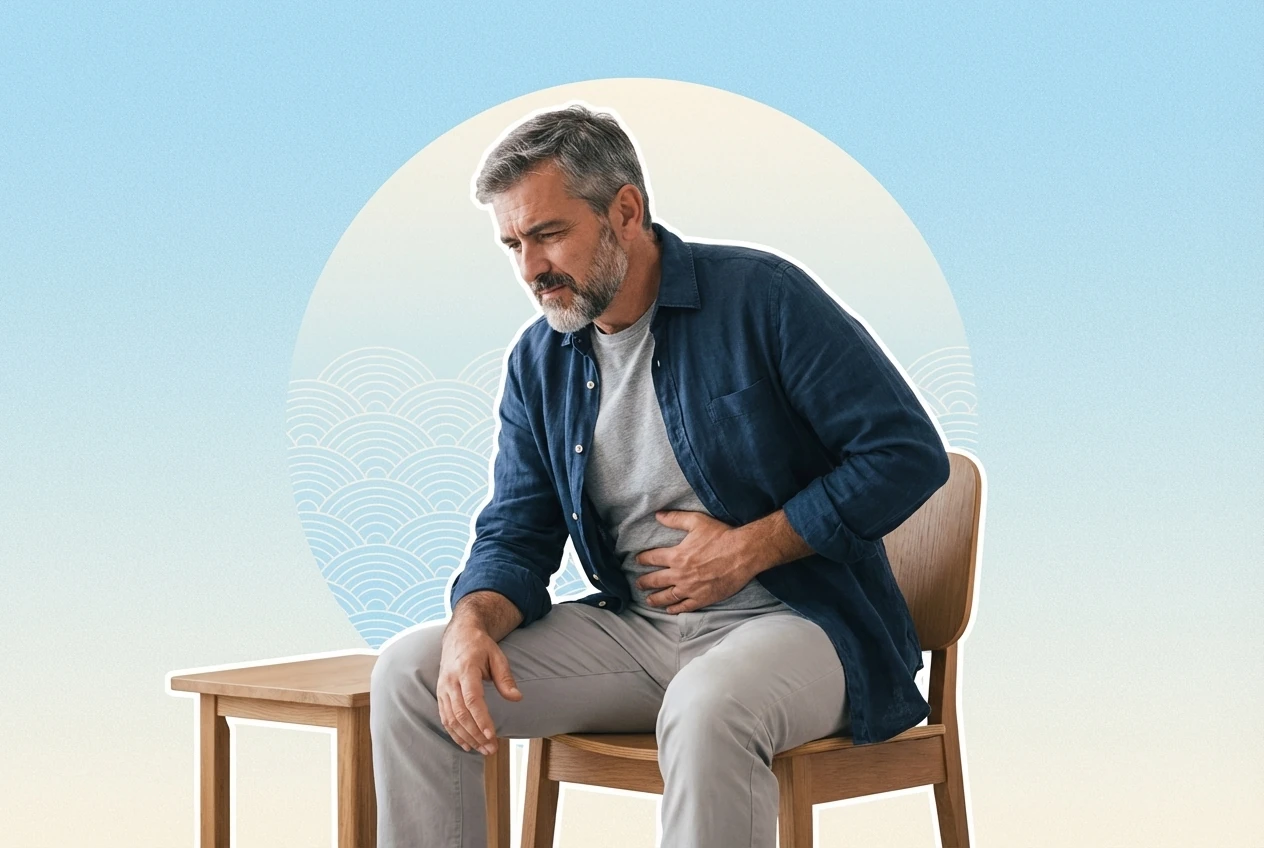
The hallmark symptom of cholecystitis is abdominal pain, usually located in the right upper quadrant of the abdomen4. This pain is often severe and sharp, lasting for several hours or more4. It may radiate to the back or the right shoulder blade, which can help distinguish it from other types of abdominal pain42. Pain intensity often increases with deep breaths, a clinical sign known as Murphy's sign3.
In acute cholecystitis, the pain typically begins suddenly and persists, often triggered by eating, especially fatty or large meals41. Chronic cholecystitis, on the other hand, may present with intermittent, dull, and persistent pain that comes and goes, sometimes with periods of remission and exacerbation546. This chronic pain is less intense but can still significantly affect quality of life.
- Pain is usually felt in the right upper quadrant of the abdomen4.
- It may be sharp and severe, lasting several hours4.
- Pain often spreads to the back or right shoulder blade42.
- Pain may worsen with deep inspiration (Murphy's sign)3.
- Fatty meals commonly trigger or worsen the pain41.
💡 Did You Know? The gallbladder is a small, pear-shaped organ on the right side of the belly under the liver that stores bile, which helps digest food1.
Digestive Issues and Symptoms
Cholecystitis often causes digestive symptoms due to impaired bile flow and gallbladder dysfunction5. Bile is essential for breaking down fats, so when its flow is blocked, patients frequently experience intolerance to fatty foods4. This intolerance can lead to symptoms such as bloating, nausea, and vomiting42.
Bloating is a common complaint and may be accompanied by abdominal distension7. Nausea and vomiting often occur alongside the pain, especially during acute episodes42. These digestive symptoms reflect the gallbladder’s reduced ability to release bile into the digestive tract, which disrupts normal digestion and causes discomfort.
- Digestive symptoms like bloating and nausea are common in cholecystitis4.
- Intolerance to fatty foods frequently occurs42.
- Vomiting often accompanies pain during acute attacks42.
- Bile flow obstruction leads to impaired digestion5.
- Symptoms may worsen after fatty or large meals41.
Additional Common Symptoms
Besides pain and digestive issues, cholecystitis can cause other symptoms that vary depending on the severity and duration of inflammation. Fever is a common sign of infection or inflammation in acute cholecystitis and may be accompanied by chills42. Loss of appetite is also frequently reported8.
Tenderness over the right upper abdomen is typical on physical examination, and patients may experience abdominal distension7. Jaundice (yellowing of the skin and eyes) can occur if the bile duct is blocked by gallstones, leading to bile buildup in the bloodstream98. Dark urine and pale stools may also be signs of bile duct obstruction9.
- Fever and chills often accompany acute inflammation42.
- Loss of appetite is common8.
- Tenderness in the right upper abdomen is typical7.
- Jaundice may develop if bile ducts are blocked98.
- Dark urine and pale stools can indicate bile flow obstruction9.
Uncommon and Rare Symptoms
In some cases, especially among older adults, cholecystitis may present with atypical or less obvious symptoms, which can delay diagnosis4. Older patients might experience vague symptoms such as fatigue, muscle weakness, or stiffness instead of classic pain and fever4. These atypical presentations increase the risk of complications due to delayed treatment5.
Rare complications of cholecystitis include severe conditions like pancreatitis (inflammation of the pancreas), gallbladder perforation (rupture), and peritonitis (infection of the abdominal lining)4. These complications are life-threatening and require urgent medical attention4. Other rare causes of gallbladder inflammation include tumors, infections, and bile duct abnormalities12.
- Elderly patients may have atypical symptoms like weakness or stiffness4.
- Atypical presentations can delay diagnosis and treatment4.
- Rare complications include pancreatitis, gallbladder rupture, and peritonitis4.
- Tumors and infections are uncommon causes of cholecystitis12.
- Chronic inflammation can lead to scarring, gangrene, or perforation9.
“Untreated acute cholecystitis carries a significant risk of morbidity and mortality, especially among older adults. Free perforation of the gallbladder, a potential complication of unmanaged cholecystitis, corresponds with a mortality rate of approximately 30%.”
— NCBI Bookshelf, National Institutes of Health3
When to Seek Medical Care
Cholecystitis can become a medical emergency, especially in acute cases or when complications develop4. Immediate medical evaluation is necessary if severe abdominal pain persists, especially if accompanied by fever, chills, vomiting, or jaundice48. Early treatment reduces the risk of serious complications such as gallbladder rupture or infection3.
Patients should seek urgent care if they experience:
- Severe, persistent right upper abdominal pain lasting more than six hours43.
- High fever or chills indicating infection4.
- Jaundice or yellowing of the skin and eyes9.
- Vomiting that prevents keeping fluids down4.
- Changes in bowel habits or unexplained weight loss4.
Early surgical removal of the gallbladder (cholecystectomy) within 72 hours of symptom onset significantly lowers morbidity and mortality rates3. Hospitalization often involves fasting, intravenous fluids, antibiotics, and pain management6.
“When managed with early cholecystectomy—performed within 72 hours of symptom onset—patients experience a 30-day morbidity rate of approximately 6.6% and a 30-day mortality rate of about 1.1%. Early treatment plays a critical role in reducing complications and improving overall survival.”
— NCBI Bookshelf, National Institutes of Health3
Summary of Symptoms
Cholecystitis symptoms vary depending on whether the condition is acute or chronic, but key features include:
- Severe, sharp pain in the right upper abdomen, often radiating to the back or right shoulder42.
- Pain triggered or worsened by fatty meals and deep breathing41.
- Digestive symptoms such as bloating, nausea, vomiting, and intolerance to fatty foods42.
- Fever, chills, and loss of appetite in acute cases48.
- Jaundice, dark urine, and pale stools if bile ducts are obstructed98.
- Atypical symptoms like weakness or vague discomfort in elderly patients4.
| Symptom Category | Acute Cholecystitis | Chronic Cholecystitis |
|---|---|---|
| Pain | Sudden, severe, lasting >6 hours43 | Dull, intermittent, with remissions54 |
| Pain Location | Right upper quadrant, radiates to shoulder/back42 | Same, but less intense54 |
| Digestive Symptoms | Nausea, vomiting, bloating, fatty food intolerance42 | Similar but milder and intermittent54 |
| Fever and Infection | Common, with chills42 | Rare54 |
| Jaundice | Possible if bile duct blocked98 | Rare54 |
Frequently Asked Questions
What causes cholecystitis?
Cholecystitis is most often caused by gallstones blocking the cystic duct, leading to bile buildup and inflammation of the gallbladder23. Other causes include bile duct changes, tumors, infections, and serious illnesses12.
How serious is cholecystitis?
Acute cholecystitis is a medical emergency that requires prompt treatment to prevent complications such as gallbladder rupture, infection, and pancreatitis43. Chronic cholecystitis can cause ongoing discomfort and may lead to scarring or gangrene if untreated9.
What are the main symptoms to watch for?
Severe right upper abdominal pain, especially after fatty meals, nausea, vomiting, fever, and pain radiating to the back or right shoulder are key symptoms42. Jaundice and persistent vomiting require immediate medical attention98.
Can cholecystitis be treated without surgery?
Some cases, especially mild or acalculous cholecystitis, may be managed conservatively with antibiotics and supportive care, but gallbladder removal is often necessary to prevent recurrence53.
Who is at higher risk for cholecystitis?
Women, people over 40, individuals with obesity, diabetes, or a family history of gallstones have a higher risk of developing cholecystitis93.