The United States is entering the 2023–2024 respiratory virus season with a concerning combination of rising influenza, covid-test-accuracy-for-eg5-and-ba286-variants">covid-test-accuracy-for-eg5-and-ba286-variants">COVID-19, and respiratory syncytial virus (RSV) cases. Despite the availability of vaccines, vaccination coverage remains below optimal levels, especially among older adults, increasing the risk of severe illness and healthcare strain12. Public health experts anticipate a similar number of combined peak hospitalizations due to these respiratory viruses compared to last season, emphasizing the critical role of vaccination and preventive measures3.
Low Vaccination Rates for Flu, COVID, and RSV
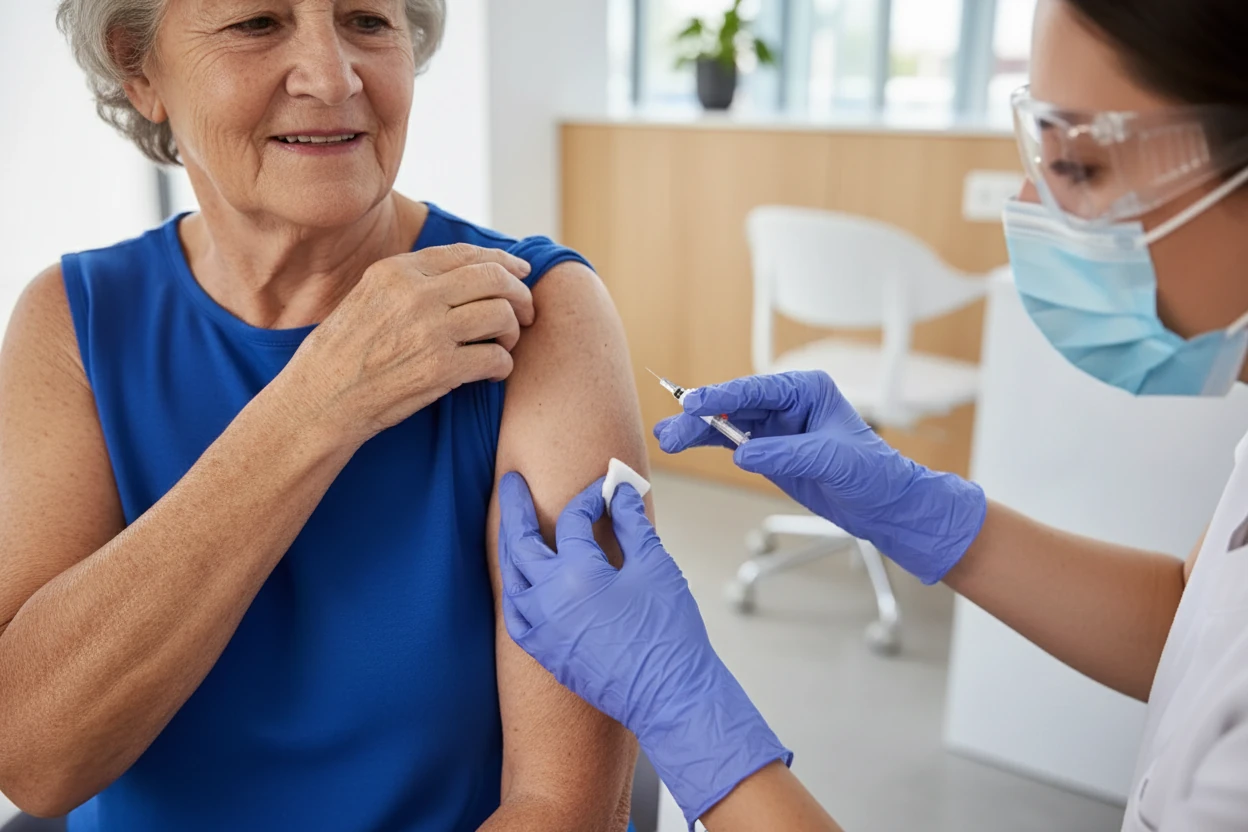
Vaccination coverage for influenza, COVID-19, and RSV remains suboptimal across various adult age groups in the United States2. Influenza vaccine uptake has declined compared to the previous season, with millions fewer doses administered2. As of early November 2023, flu vaccination coverage among adults was 36.1%, with 58.6% coverage in seniors aged 65 and older2. By mid-December, these rates increased to 42.2% in adults and 69.3% in those aged 65 and older, but still remain below pre-pandemic levels4.
The RSV vaccine was introduced broadly for the first time this season, so historical uptake data are unavailable2. Uptake among adults aged 60 and older was approximately 16% as of early December2. COVID-19 updated vaccine coverage is also low, with just over 17% of adults vaccinated overall and 36% coverage in seniors2. This is a decline from last season when bivalent COVID-19 vaccine coverage was over 20% in adults and 43% in those aged 65 and older2.
“Yes, it is new but is one of the most looked at and studied vaccines that we've had in history.”
— Mandy Cohen5
Several factors contribute to low vaccine uptake:
- Concerns about unknown serious side effects are the top reason for COVID-19 vaccine hesitancy, cited by 18% of respondents5.
- For the flu vaccine, 27% of adults reported not having time to schedule an appointment5.
- Among adults eligible for the RSV vaccine, 29% said their physician never recommended vaccination, and 13% felt the vaccine was too new5.
- Vaccine fatigue and time constraints also play significant roles in low uptake5.
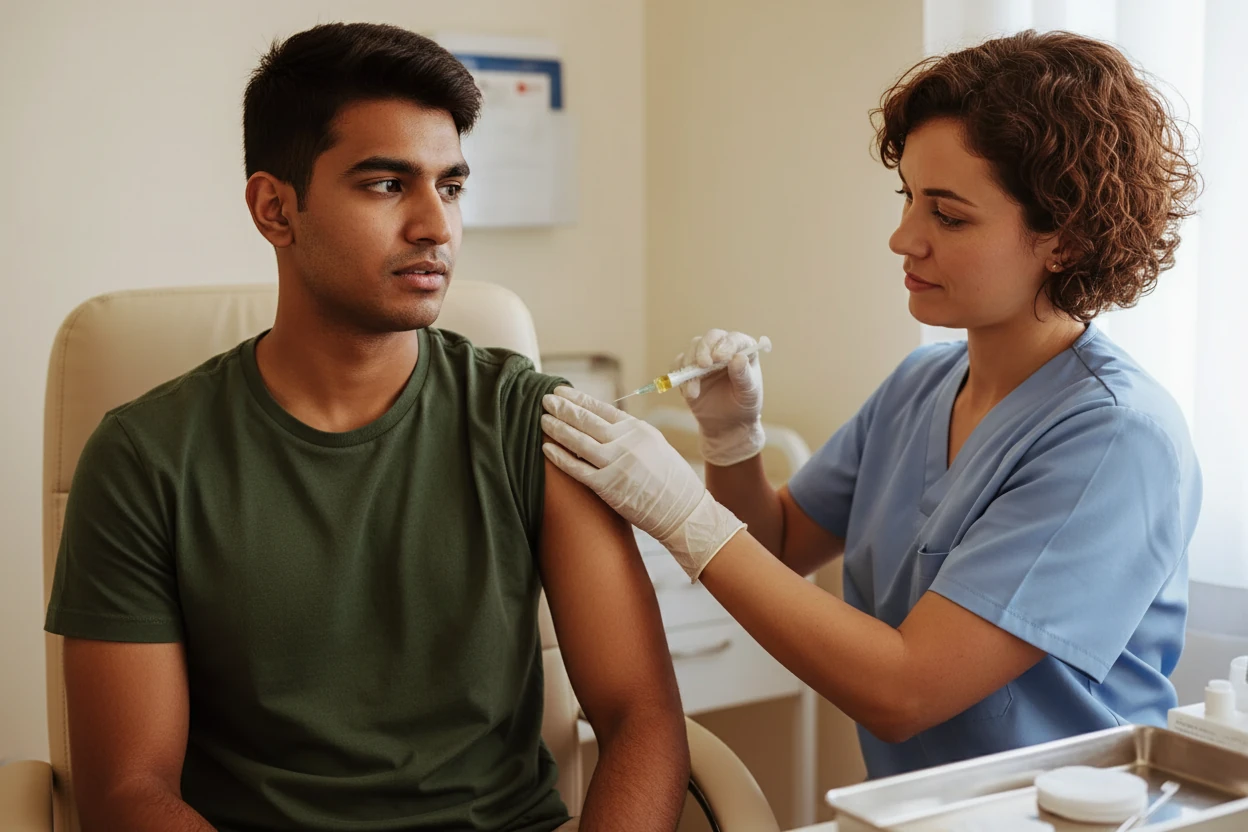
Physicians play a crucial role in improving vaccination rates. The CDC emphasizes that doctors are the "lynchpin" in encouraging patients to get vaccinated by reframing conversations and providing evidence-based guidance5.
| Vaccine | Adult Coverage (%) | Coverage in Seniors (%) | Notes |
|---|---|---|---|
| Influenza | 42.2 (mid-Dec 2023) | 69.3 (mid-Dec 2023) | Declined from pre-pandemic levels42 |
| RSV (≥60 years) | ~16 | — | Newly introduced vaccine2 |
| COVID-19 Updated | ~17 | 36 | Lower than last season2 |
Current Respiratory Virus Activity in the U.S.
The 2023–2024 respiratory virus season is characterized by a "tripledemic" with simultaneous rises in influenza, RSV, and COVID-19 cases6. RSV activity has reached or is near its seasonal peak in many regions of the U.S.7. Influenza cases are increasing, marking the early phase of the flu season7. COVID-19 cases remain elevated nationally, with hotspots in the Midwest and Mid-Atlantic regions6.
“We all wish we could leave COVID in the rearview mirror, but it is still here with us. We need to make sure that we are continuing to take it very seriously.”
— Mandy Cohen5
Recent surveillance data show:
- Influenza test positivity exceeds 10%6.
- Respiratory illness accounts for over 4% of healthcare visits6.
- Emerging Omicron subvariants HK.3 and JN.1 contribute to rising COVID-19 cases and hospitalizations18.
- The HK.3 subvariant accounts for approximately 7.7% of circulating COVID-19 infections8.
- The JN.1 variant comprises about 20% of current COVID-19 cases and is associated with higher infection rates but not increased severity8.
Hospitalizations and healthcare visits related to respiratory illnesses have increased, with COVID-19 yielding the most cases, hospitalizations, and deaths week after week15. The expected surge in infections during the holiday season will likely increase hospitalizations and mortality, underscoring the importance of vaccination as a key mitigation strategy62.
| Virus | Hospitalization Rate (per 100,000) | Notes |
|---|---|---|
| COVID-19 | 200.1 | Highest among the three viruses9 |
| Influenza | 83.4 | Significant burden, especially in adults9 |
| RSV | 58.0 | Particularly impacts older adults9 |
Vaccination remains a critical tool to mitigate the impact of these respiratory viruses. Current vaccines and treatments continue to be effective against evolving variants and strains29.
Safe Holiday Gathering Guidelines
With respiratory virus infections expected to peak during the holiday season, safe gathering practices are essential to reduce transmission and protect vulnerable populations6. Vaccination before gatherings is strongly recommended to lower the risk of infection and severe disease62.
Other preventive measures include:
- Staying home when sick to avoid spreading infection6.
- Testing for respiratory viruses if symptoms develop before attending gatherings6.
- Adjusting safety measures based on individual risk, especially when interacting with elderly or immunocompromised individuals2.
-
Using evidence-based conversation guides to encourage vaccination and address patient concerns5.
-
Ensure all eligible attendees are up to date with flu, COVID-19, and RSV vaccines2.
- Encourage symptomatic individuals to avoid gatherings and seek testing6.
- Consider mask-wearing and good ventilation in indoor settings, especially with high community transmission2.
- Practice hand hygiene and respiratory etiquette2.
- Be mindful of high-risk individuals and tailor precautions accordingly6.
Persistence in vaccination efforts is key. Physicians are encouraged to repeatedly engage patients in conversations about vaccination, as success may not occur during the first interaction5.