Despite widespread immunity from vaccination and prior infection, COVID-19 continues to pose a significant health risk, with thousands of deaths occurring daily in the United States1. The Centers for Disease Control and Prevention (CDC) has updated its quarantine and testing guidelines to reflect the evolving pandemic landscape and to simplify public health recommendations1. These changes emphasize personal responsibility, streamline quarantine rules, and adapt testing strategies to current evidence and immunity levels1.
Updated Quarantine and Testing Rules
The CDC has revised its quarantine and testing recommendations to simplify guidance and improve public adherence. As of August 2022, the agency no longer recommends quarantine following exposure to COVID-19 for anyone, regardless of vaccination status1. This marks a shift from earlier guidance, which differentiated quarantine requirements based on vaccination or recent infection status2.
Instead, the CDC advises all individuals exposed to COVID-19 to wear a high-quality mask for 10 days and to get tested on day 5 after exposure1. This approach acknowledges the high levels of vaccine- and infection-induced immunity in the population, which have reduced the risk of severe illness and transmission1. The removal of distinctions between vaccinated and unvaccinated individuals streamlines the guidance and reduces confusion1.
Key points of the updated quarantine and testing rules include:
- Quarantine is no longer recommended after exposure, regardless of vaccination or infection history2.
- All exposed persons should wear a mask for 10 days following exposure2.
- Testing is recommended on day 5 after exposure to detect potential infection2.
- Routine surveillance testing of asymptomatic individuals without known exposure is no longer advised in most settings1.
- The CDC emphasizes clear, simple guidance to improve public understanding and adherence1.
These changes reflect the current context of widespread immunity and the availability of effective treatments, which have altered the risk-benefit balance of quarantine measures1. By focusing on masking and testing rather than quarantine, the CDC aims to maintain protection while minimizing disruptions to daily life.
💡 Did You Know? The CDC's updated guidance was released during a period of high daily COVID-19 case counts, underscoring the need for practical and sustainable prevention strategies1.
Current Guidelines Still in Effect
While quarantine recommendations have been relaxed, several key COVID-19 prevention measures remain in place. The CDC continues to recommend isolation for individuals who test positive for COVID-19 to reduce transmission risk1. The isolation period is typically five days, followed by five days of mask-wearing if the individual is fever-free for 24 hours without the use of fever-reducing medications and symptoms are improving1.
Additional ongoing guidelines include:
- Isolation for at least 5 days after a positive COVID-19 test, regardless of vaccination status1.
- After isolation, individuals should wear a mask around others for an additional 5 days1.
- Persons who experience a rebound of symptoms after ending isolation should re-isolate for 5 days1.
- Avoiding contact with high-risk individuals for 11 days after a positive test to protect vulnerable populations1.
- Testing is recommended for symptomatic individuals and those exposed to COVID-191.
- Physical distancing and ventilation remain important components of prevention, especially in settings with high respiratory virus transmission3.
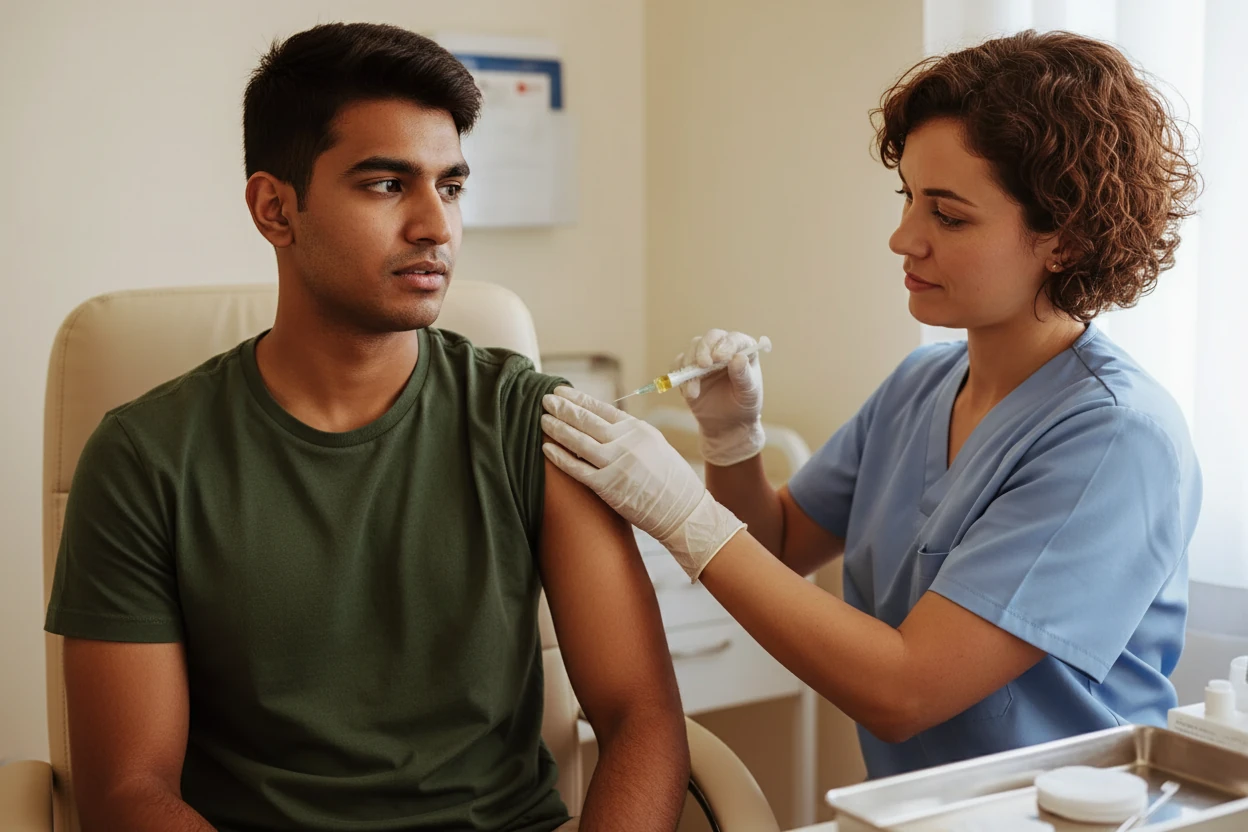
- Vaccination remains a critical tool to prevent severe illness, hospitalization, and death1.
The CDC also maintains infection prevention and control guidance for healthcare settings, including recommendations for personal protective equipment (PPE), testing strategies during outbreaks, and management of healthcare personnel exposures4. These measures are tailored to healthcare environments and continue to evolve based on emerging evidence and the status of the pandemic4.
| Guideline Aspect | Current Recommendation | Notes |
|---|---|---|
| Isolation duration | 5 days minimum, then mask for 5 days | Fever-free for 24 hours before ending isolation1 |
| Masking after isolation | Recommended for 5 days | High-quality masks preferred1 |
| Rebound symptoms | Re-isolate for 5 days | If symptoms worsen after initial isolation1 |
| Avoid contact with high-risk | For 11 days after positive test | Protects vulnerable individuals1 |
| Testing | Symptomatic and exposed individuals should test | Testing on day 5 post-exposure recommended1 |
These ongoing guidelines balance the need to prevent COVID-19 spread while recognizing the reduced risk of severe outcomes due to immunity and treatments1.
The CDC emphasizes that personal responsibility is key to managing COVID-19 as the pandemic evolves. Individuals are urged to stay informed about their risk, get vaccinated, test when exposed or symptomatic, and isolate appropriately to protect themselves and others. This approach aims to empower people to make informed decisions based on current evidence and community conditions.1
Emphasis on Personal Responsibility
The CDC’s updated approach places greater emphasis on individual responsibility in managing COVID-19 risk. The agency encourages people to understand their personal risk and take appropriate measures to protect themselves and others1. This includes staying up to date with COVID-19 vaccinations, seeking testing when symptomatic or after exposure, and wearing masks as needed1.
💡 Did You Know? The CDC no longer differentiates quarantine or isolation recommendations based on vaccination status, simplifying public health messaging and encouraging consistent protective behaviors1.
Key elements of this personal responsibility framework include:
- Understanding individual risk based on vaccination status, prior infection, and underlying health conditions1.
- Taking protective actions such as vaccination, use of therapeutics, and nonpharmaceutical interventions like masking when appropriate1.
- Receiving testing if exposed to COVID-19 or if symptoms develop1.
- Isolating for at least 5 days if infected, and following masking recommendations thereafter1.
- Avoiding contact with high-risk individuals during the infectious period1.
The CDC acknowledges that immunity levels vary among individuals, and some remain at higher risk for severe illness and death1. Therefore, the agency advises those at increased risk to remain vigilant and to consult healthcare providers about additional precautions1. The guidance is designed to be flexible and may be updated as the pandemic evolves1.
The CDC's shift toward individual-based decision-making is also reflected in its updated vaccination recommendations. For example, the agency now recommends COVID-19 vaccination based on shared clinical decision-making, particularly for populations under 65 years without increased risk factors5. This approach encourages discussions between patients and healthcare providers to weigh risks and benefits tailored to individual circumstances5.