Mpox, formerly known as monkeypox, is a viral disease caused by the monkeypox virus that has recently reemerged as a global public health concern1. Since 2022, outbreaks have spread beyond traditionally endemic regions, with more than 100,000 cases reported worldwide, including in countries where mpox was not previously seen2. In 2024 and 2025, new outbreaks of a more severe strain, clade I, have been identified in Central and Eastern Africa and, notably, in the United States, signaling ongoing transmission risks34. Understanding vaccine effectiveness and risk reduction strategies is critical to controlling the spread and impact of mpox.
Mpox Vaccine Information: Eligibility, Efficacy & Availability
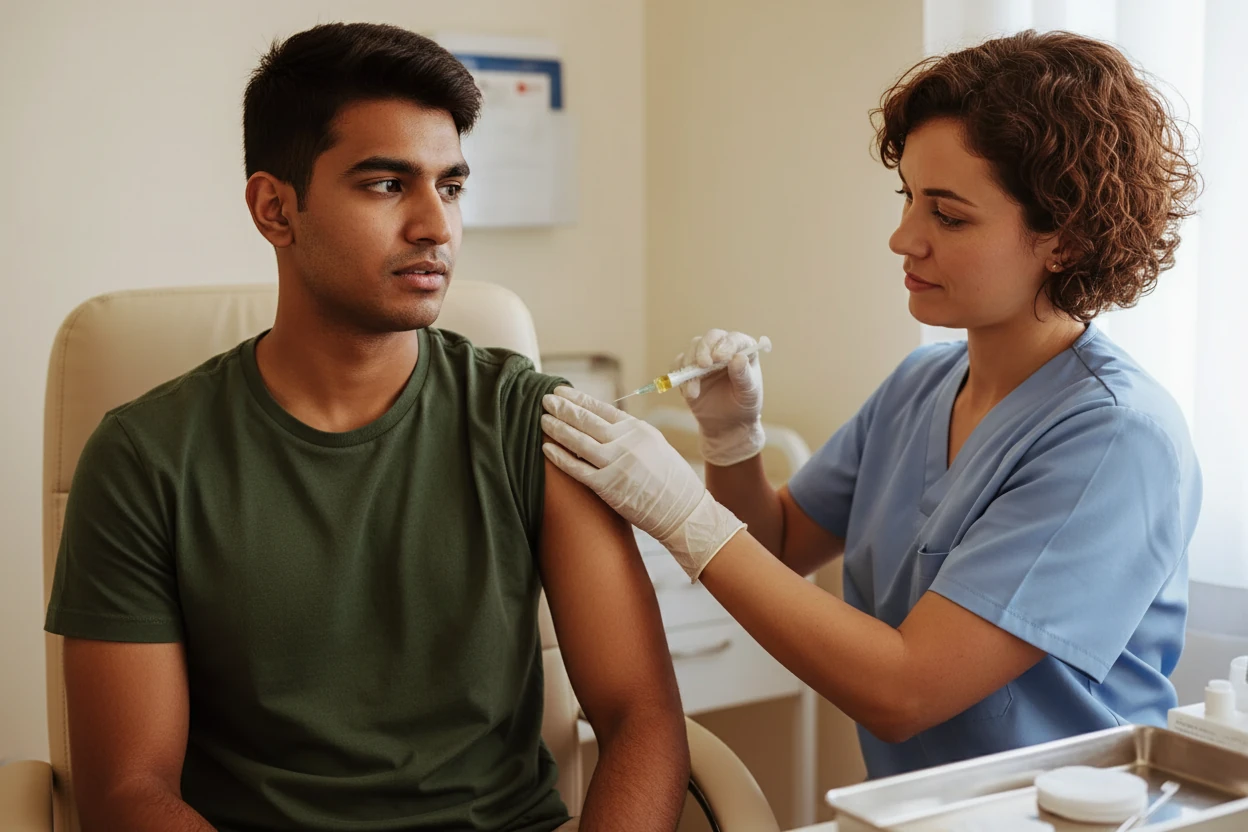
The JYNNEOS vaccine is the primary vaccine authorized for mpox prevention in the United States and is recommended by the CDC and the Advisory Committee on Immunization Practices (ACIP) for persons aged 18 years and older who are at increased risk of mpox infection56. This vaccine is a two-dose series administered four weeks apart, designed to protect against both monkeypox and smallpox viruses7.
Vaccine effectiveness varies by the number of doses received. Two doses of JYNNEOS are estimated to provide 66–86% effectiveness against symptomatic mpox infection, while a single dose offers 36–75% protection5. Completing the two-dose series is strongly advised for optimal immunity, especially for individuals at higher risk, such as men who have sex with men (MSM), transgender and nonbinary persons, and those with recent exposure to mpox57. Vaccination not only lowers the risk of contracting mpox but also reduces the severity of illness and the likelihood of hospitalization or death in breakthrough cases85.
Over 1.2 million doses of JYNNEOS were administered in the U.S. during the 2022–2023 mpox outbreak; however, vaccination coverage among persons at risk remains below 25%910. Higher vaccination coverage within communities correlates with reduced mpox transmission and outbreak risk10. The duration of protection provided by the vaccine is still under study, and current recommendations do not include booster doses beyond the initial two-dose series5107.
The vaccine can be administered either subcutaneously (under the skin) or intradermally (into the skin), with both methods showing similar effectiveness76. Intradermal administration uses a smaller volume and may cause different local side effects, such as redness and itching, but generally results in less pain at the injection site7. Common side effects include pain, redness, and itching at the injection site, as well as systemic symptoms like fever, headache, and muscle aches, which indicate an immune response rather than illness7.
| Vaccine Aspect | Details | Source |
|---|---|---|
| Vaccine Type | JYNNEOS (live, nonreplicating) | 57 |
| Dosage | 2 doses, 4 weeks apart | 57 |
| Effectiveness (2 doses) | 66–86% against symptomatic infection | 5 |
| Effectiveness (1 dose) | 36–75% against symptomatic infection | 5 |
| Administration Routes | Subcutaneous or intradermal | 76 |
| Common Side Effects | Injection site pain, redness, itching; fever, headache | 7 |
| Booster Recommendation | Not currently recommended | 7 |
The vaccine is recommended for people who:
- Have known or suspected exposure to someone with mpox7
- Had a sex partner diagnosed with mpox in the past two weeks7
- Are MSM, transgender, or nonbinary with recent sexual risk factors such as multiple partners or recent sexually transmitted infections7
- Are at occupational risk, such as healthcare workers or laboratory personnel7
People who have recovered from mpox are not currently advised to receive the vaccine, as reinfection is very rare and tends to be milder7.
“There’s nothing about this virus that’s going to make the JYNNEOS vaccine not work. Two doses are enough. You don’t need a booster right now. For those who received only one dose during the 2022 outbreak, it’s never too late. You don’t start over, you just catch up.”
— Former senior CDC director4
Mpox Risk Reduction Strategies: Preventing Transmission & Infection
Mpox spreads primarily through close, skin-to-skin contact with an infected person, including sexual contact, contact with lesions, bodily fluids, or contaminated materials such as bedding or clothing1011. Sexual transmission is a major route, particularly among MSM and other high-risk groups10. The virus can also spread through respiratory droplets during prolonged face-to-face contact and, less commonly, from animals to humans11.
The CDC recommends several strategies to reduce the risk of mpox infection:
- Vaccination for persons at increased risk, including those with multiple sexual partners or close contact with infected individuals10
- Avoiding direct contact with skin lesions or scabs of people suspected or confirmed to have mpox10
- Not sharing personal items such as bedding, towels, or clothing with infected individuals10
- Frequent handwashing with soap and water or use of alcohol-based hand sanitizers10
- Avoiding contact with wild animals, especially rodents and primates, in regions where mpox is endemic10
Sexual health precautions are also important:
Mpox can spread through close contact with rashes, scabs, or body fluids, as well as intimate activities and sexual contact. Early symptoms often include skin and oral lesions, making awareness and inspection critical for prevention.101112
- Using condoms may reduce but does not eliminate the risk of mpox transmission during sexual activity10
- Inspecting partners for skin lesions before sexual contact can help prevent spread10
- Being aware of early mpox symptoms such as new pimples or skin lesions, often in the anal and genital areas, is critical for early detection and isolation10
- Recognizing that mpox can cause oral lesions and that oral sex is a potential transmission route10
Ocular involvement is a rare but serious complication of mpox infection that can lead to vision damage, underscoring the importance of early diagnosis and treatment10.
People in monogamous relationships generally have a lower risk of mpox compared to those with multiple sexual partners10. Additionally, avoiding close contact with infected individuals and practicing good hygiene remain foundational prevention measures.