In 2023, the United States experienced its first locally acquired mosquito-transmitted malaria cases in two decades, with ten confirmed infections across four states1. This resurgence highlights the ongoing risk posed by competent mosquito vectors and increased international travel, especially amid changing climate conditions that favor mosquito breeding2. Although malaria was eliminated in the US by the early 1950s, the presence of Anopheles mosquitoes and imported cases sustain the potential for local transmission3.
Malaria Transmission and Spread
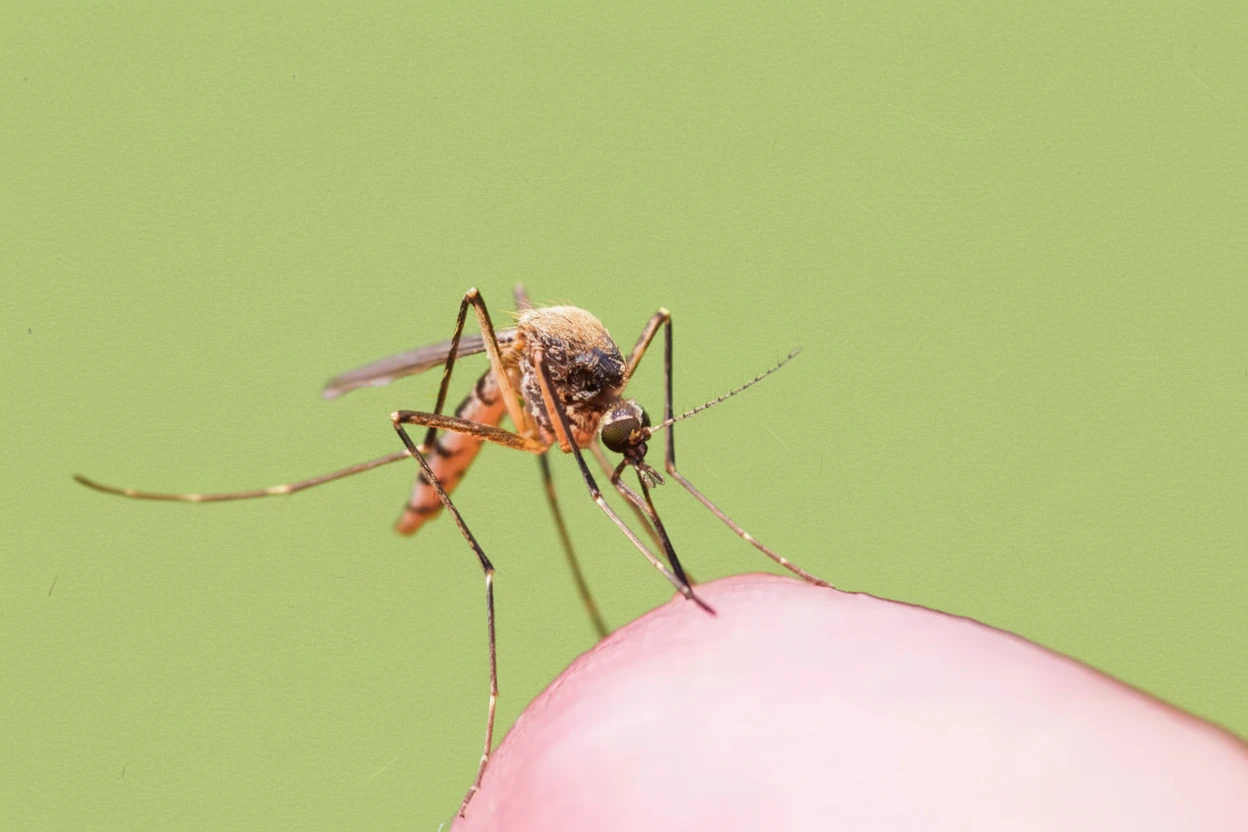
Malaria is caused by Plasmodium parasites transmitted to humans through the bite of infected female Anopheles mosquitoes4. The transmission cycle begins when an Anopheles mosquito bites a person infected with malaria, acquiring the parasite. The mosquito then becomes capable of infecting others for its entire lifespan5. Symptoms usually appear 7 to 30 days after the infectious mosquito bite; however, some species like Plasmodium vivax can cause relapses months or even a year later due to dormant liver stages6.
Although malaria was eradicated as an endemic disease in the US by the early 1950s through vector control and treatment programs, multiple competent Anopheles mosquito species remain widespread across the country, including the Midwest, Southeast, and Northeast regions35. These mosquitoes can sustain local transmission cycles if they bite infected individuals, especially travelers returning from malaria-endemic areas5.
Recent outbreaks of autochthonous (locally acquired) malaria in the US, including the 2023 cases, demonstrate the ongoing risk of local transmission due to the combination of imported infections and persistent mosquito vectors78. Unlike respiratory viruses, malaria transmission requires mosquito vectors, which limits its spread in non-endemic areas5.
- Female Anopheles mosquitoes bite infected humans and ingest Plasmodium parasites5.
- The parasites develop inside the mosquito, which remains infectious for life5.
- Infected mosquitoes transmit parasites to other humans through subsequent bites5.
- The incubation period in humans ranges from 7 to 30 days, with some species causing delayed relapses6.
- Locally acquired malaria cases indicate the presence of infected Anopheles mosquitoes in the US7.
Reasons for US Malaria Resurgence
The resurgence of locally acquired malaria in the US in 2023 is multifactorial. A key driver is the steady increase in imported malaria cases, with a record high of 2,205 cases reported in 2023, mostly among travelers returning from endemic regions in Africa and the Americas12. Three of the four states with local transmission in 2023—Florida, Texas, and Maryland—are among those with the highest numbers of imported cases1.
Climate change is another critical factor. Warmer temperatures and increased humidity create favorable conditions for Anopheles mosquitoes to breed and survive longer, expanding their geographic range and lengthening the transmission season in temperate regions of the US395. The year 2023 was the fifth-hottest on record in the US, contributing to an extended "transmission window" for mosquitoes10.
The covid-test-accuracy-for-eg5-and-ba286-variants">covid-test-accuracy-for-eg5-and-ba286-variants">COVID-19 pandemic also indirectly influenced malaria risk by disrupting malaria prevention, diagnosis, and treatment services globally, leading to increased malaria incidence and mortality worldwide1112. This global increase raises the number of imported cases and the potential for local transmission in the US5. Additionally, pandemic-related health skepticism may have reduced adherence to preventive measures8.
- Increased international travel to and from malaria-endemic regions, raising imported case numbers51.
- Presence of competent Anopheles mosquito vectors across the US, capable of transmitting malaria5.
- Climate change expanding mosquito habitats and lengthening breeding seasons95.
- Disruptions in malaria control and healthcare access during the COVID-19 pandemic1112.
- Behavioral factors such as reduced preventive measure adherence due to pandemic-related skepticism8.
“Increased travel and population movement to and from malaria-endemic regions, persistent vectors, and increased temperatures may be increasing the risk of local transmission in the US.”
— CDC Public Health Report, 20251
Genetic sequencing of malaria parasites from the 2023 US cases revealed multiple distinct strains, indicating at least three separate introductions of malaria into the country13. Seven cases in Florida shared a P. vivax strain consistent with Central or South American origins, while cases in Texas and Arkansas had genetically distinct P. vivax strains. The Maryland case involved P. falciparum with African genetic signatures113. This diversity underscores the complexity of malaria reintroduction risks linked to global travel patterns.
Malaria Prevention and Safety
Preventing malaria in the US relies heavily on awareness, timely diagnosis, and effective treatment, especially among travelers to endemic regions and residents in areas with competent mosquito vectors38. Since malaria transmission requires mosquito vectors, preventing mosquito bites is critical to limiting spread5.
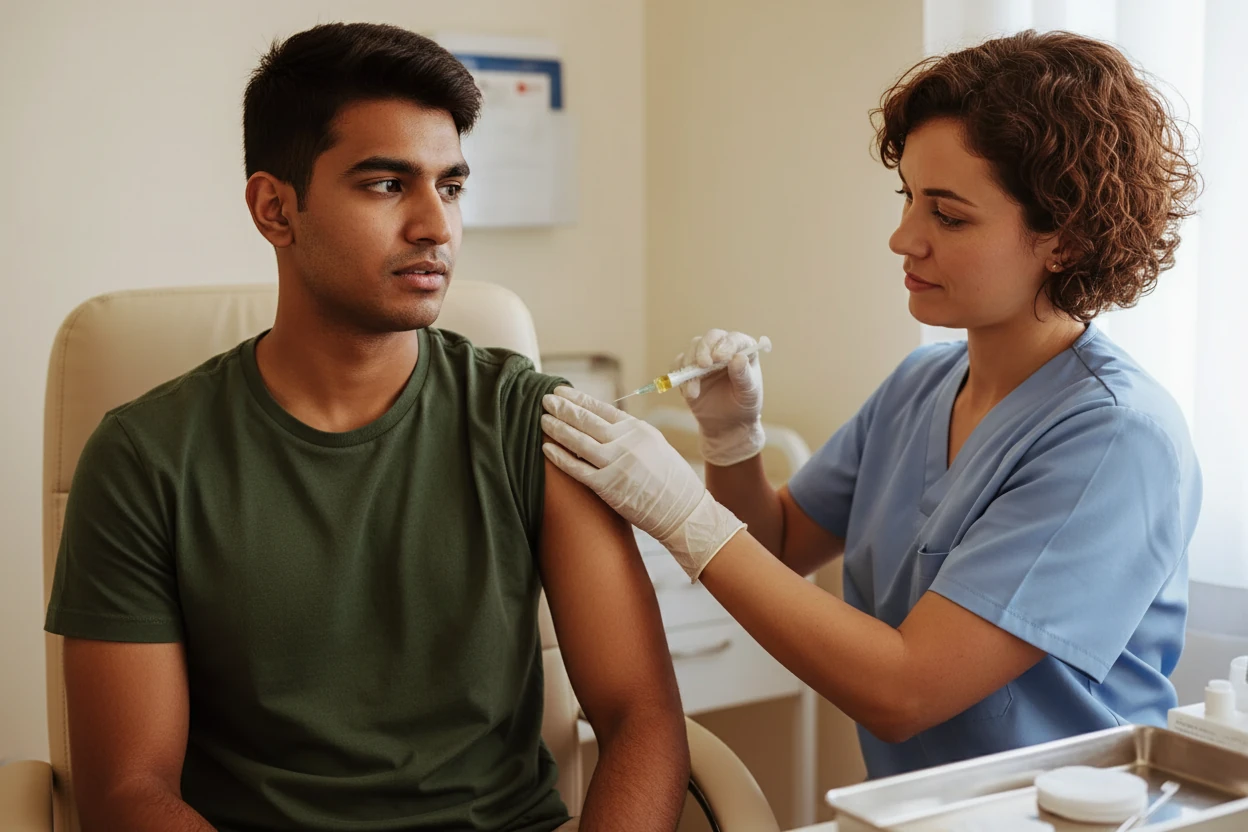
International travel remains the primary source of malaria importation into the US, with approximately 2,000 cases reported annually before the pandemic143. Travelers to endemic areas should take CDC-recommended chemoprophylaxis medications before, during, and after travel to prevent infection1516. Healthcare providers play a vital role by prescribing prophylaxis, recognizing symptoms, and promptly diagnosing and treating malaria cases1.
Mosquito control and surveillance are essential components of prevention. Vector control efforts include insecticide spraying, eliminating mosquito breeding sites, and distributing bed nets and repellents in affected communities717. Climate change may increase the need for these measures as mosquito habitats expand9.
Malaria is a medical emergency. Prompt diagnosis and treatment within 24 hours can prevent progression to severe disease and death. Clinicians should consider malaria in any patient with unexplained fever, regardless of travel history, especially in areas with recent local cases.1520
- Take prescribed malaria chemoprophylaxis when traveling to endemic regions15.
- Avoid mosquito bites by wearing protective clothing and using insect repellents3.
- Support mosquito control programs that reduce vector populations7.
- Promptly diagnose and treat malaria to prevent severe disease and transmission181.
- Report suspected or confirmed malaria cases immediately to public health authorities15.
| Prevention Strategy | Description | Importance |
|---|---|---|
| Chemoprophylaxis | Medication before, during, and after travel | Prevents infection in travelers |
| Mosquito Bite Avoidance | Protective clothing, repellents | Reduces exposure to vectors |
| Vector Control | Insecticide spraying, breeding site elimination | Limits mosquito populations |
| Early Diagnosis and Treatment | Rapid testing and antimalarial therapy | Prevents severe disease and spread |
| Public Health Reporting | Timely notification to authorities | Enables outbreak response |
Effective antimalarial treatments are available in the US, including FDA-approved intravenous artesunate for severe cases18. Treatment regimens vary by Plasmodium species and disease severity, with artemisinin-based combination therapies and primaquine used for certain infections6. However, emerging drug resistance and limited vaccine availability remain challenges to malaria control19.