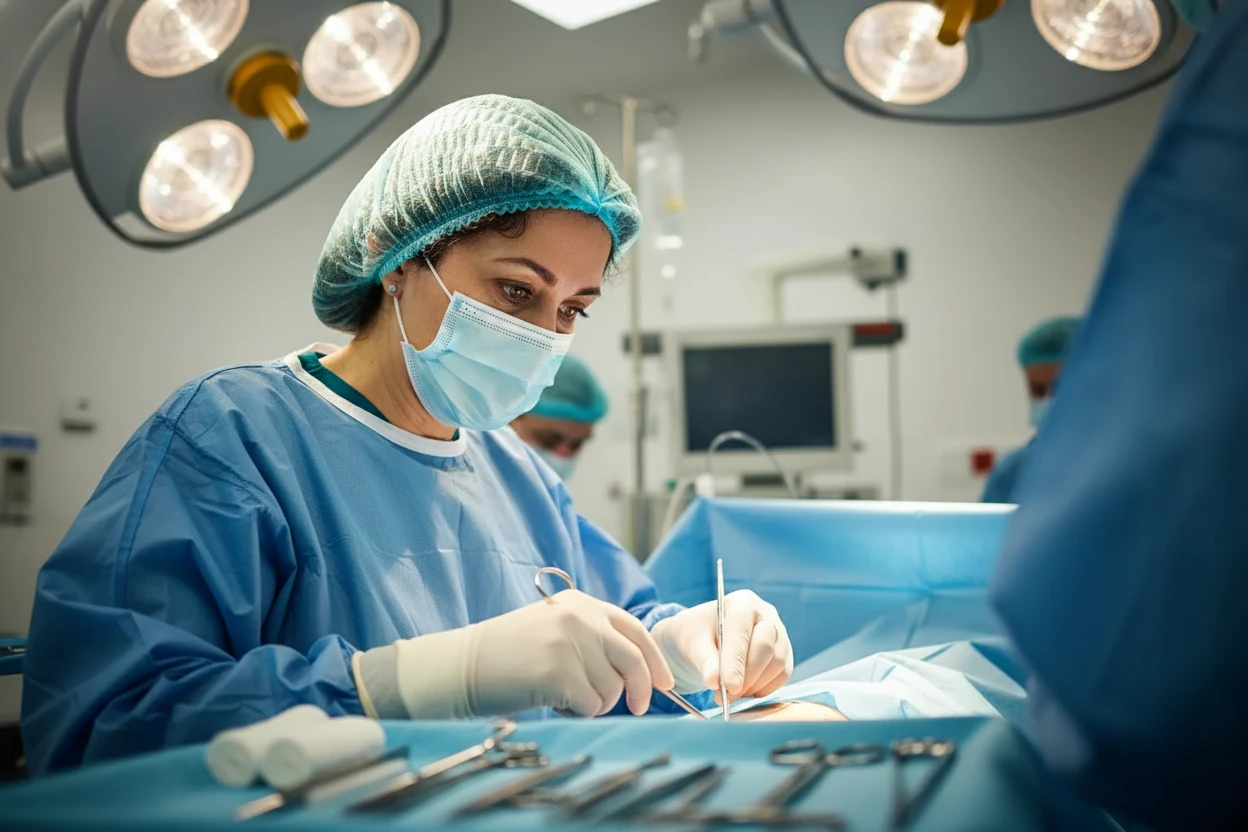
Cardiac ablation is a minimally invasive treatment used to correct abnormal heart rhythms called arrhythmias when medications are ineffective or cause side effects1. This procedure uses catheters inserted through blood-pressure-signs-and-symptomsblood-pressure-signs-and-symptomsblood-pressure-effective-strategies-and-tipsblood-pressure-effective-strategies-and-tipsblood vessels to deliver energy that creates tiny scars in the heart, blocking faulty electrical signals and restoring a normal heartbeat2. Cardiac ablation has become a common and effective option for managing conditions such as atrial fibrillation and ventricular tachycardia, improving quality of life and reducing the risk of serious complications1.
Ablation Procedure Purpose
Ablation is a minimally invasive procedure that destroys abnormal or diseased tissue using heat, cold, or laser energy to treat various medical conditions3. In cardiology, catheter ablation is an established treatment for cardiac arrhythmias such as atrial fibrillation and ventricular tachycardia4. The goal of cardiac ablation is to create scar tissue that blocks abnormal electrical impulses causing irregular heartbeats, thereby restoring a normal heart rhythm2. This procedure is often recommended when medications fail to control arrhythmias or cause intolerable side effects1.
Beyond cardiology, ablation techniques are also used in other fields. Endovenous thermal ablation treats varicose veins and chronic venous insufficiency by sealing affected blood vessels5. Thermal ablation methods are applied to early-stage tumors in organs like the liver, lung, kidney, and bone, offering a less invasive alternative to surgery67. Radiofrequency ablation (RFA) is also used to manage chronic joint and nerve pain, including trigeminal neuralgia, by targeting nerve tissue8910.
Types of Cardiac Ablation
Cardiac ablation can be performed using different energy sources and techniques, each suited to specific arrhythmias and patient needs11. The main types of cardiac ablation include:
- Radiofrequency Ablation (RFA): Uses thermal energy generated by radio waves to heat and destroy abnormal heart tissue causing arrhythmias412. It is the most common type of catheter ablation13.
- Cryoablation: Employs extreme cold to freeze and destroy targeted heart tissue. It is often used for atrial fibrillation and other arrhythmias1014.
- Pulsed Field Ablation: A newer technique that uses electrical energy bursts to selectively ablate cardiac tissue with potentially fewer side effects15.
- Surgical Ablation: Performed during open-heart surgery or minimally invasive thoracoscopic surgery, creating scar tissue on the heart's surface to disrupt arrhythmias1611.
Each method offers specific benefits and risks, and the choice depends on the type of arrhythmia, patient health, and provider expertise11.
💡 Did You Know? Cardiac ablation uses thin, flexible tubes called catheters and heat or cold energy to create tiny scars in the heart, blocking faulty electrical signals and restoring a normal heartbeat2.
How Cardiac Ablation Works
Cardiac ablation works by precisely targeting and destroying small areas of heart tissue responsible for abnormal electrical signals that cause arrhythmias. The procedure involves several stages: before, during, and after the ablation.
Before the Procedure
Preparation for cardiac ablation includes several important steps to ensure safety and success. Patients are usually instructed to:
- Stop blood-thinning medications such as aspirin or warfarin as directed to reduce bleeding risk417.
- Fast for several hours before the procedure to minimize anesthesia risks318.
- Arrange transportation home since driving is not advised immediately after the procedure1.
- Wear comfortable clothing and avoid jewelry or valuables318.
- Disclose any history of bleeding disorders or pregnancy, as these conditions require special precautions173.
- Undergo pre-procedural evaluation including vital sign monitoring and medication review318.
Providers may administer antibiotics or sedatives as needed before the procedure318.
During the Procedure
Cardiac ablation is performed in a hospital or specialized cardiac center, often in a catheterization lab equipped with imaging technologies such as X-ray fluoroscopy318. The procedure typically lasts 2 to 4 hours but may take longer depending on complexity1.
The steps include:
- Cleaning and numbing the insertion site, usually in the groin, arm, or neck1.
- Inserting a sheath (small tube) into a blood vessel to provide access1.
- Threading thin, flexible catheters through the sheath and blood vessels to the heart1.
- Mapping the heart's electrical activity to locate abnormal tissue causing arrhythmias1.
- Delivering energy (heat in radiofrequency ablation or cold in cryoablation) through the catheter to create scar tissue that blocks faulty electrical signals21.
- Removing the catheters and sheath once ablation is complete1.
Anesthesia may range from local sedation to general anesthesia depending on the procedure and patient condition318. Image guidance ensures precise targeting of affected tissue while minimizing damage to healthy heart structures63.
After the Procedure
Following cardiac ablation, patients are monitored in a recovery area for several hours, with vital signs observed closely1. Some patients may stay overnight in the hospital, while others are discharged the same day318.
Post-procedure care includes:
- Lying flat for several hours to prevent bleeding at the catheter insertion site13.
- Avoiding heavy lifting and strenuous activity for about a week1.
- Monitoring for symptoms such as chest pain, dizziness, or bleeding at the puncture site1.
- Taking prescribed medications, including blood thinners, to prevent blood clots as advised1.
- Attending follow-up appointments for up to a year to assess heart rhythm and detect any recurrence of arrhythmias1.
Recovery time varies but generally takes several weeks, during which some arrhythmia symptoms may persist as the heart heals1.
“Cardiac ablation is a minimally invasive procedure that usually doesn’t require a prolonged hospital stay. It can restore a normal heart rhythm when medications fail and can even be lifesaving in some cases.”
— Cleveland Clinic1
Ablation Risks and Precautions
While cardiac ablation is generally safe, it carries some risks and requires careful precautions. The procedure aims to destroy abnormal tissue by applying thermal energy precisely to affected areas, guided by imaging such as ultrasound, CT, or MRI to minimize complications318.
Common risks include:
- Bleeding or infection at the catheter insertion site414.
- Damage to blood vessels or heart tissue, including heart valves and coronary arteries419.
- Formation of blood clots that could lead to stroke or heart attack419.
- Cardiac tamponade, a rare but serious complication involving fluid accumulation around the heart419.
- Development of new or worsened arrhythmias4.
- Pulmonary vein stenosis, narrowing of veins carrying blood between lungs and heart2.
- Radiation exposure during fluoroscopy20.
Other ablation types have specific risks. For example, prostate ablation may cause sexual dysfunction, and endometrial ablation can lead to uterine or cervical injury and infection212217.
Image guidance and careful patient selection help reduce risks. Hospital settings are preferred for complex ablations requiring general anesthesia, while simpler procedures may be outpatient318.
Preparing for Ablation
Cardiac ablation offers a minimally invasive option for many patients with arrhythmias that do not respond well to medications. The procedure uses heat or cold energy delivered through catheters to create scars that block abnormal heart signals, restoring a normal rhythm. Recovery is generally quick, with most patients returning to normal activities within a week.12
Proper preparation is essential for a successful ablation procedure and smooth recovery. Patients should:
- Provide full disclosure of medical history, including pregnancy and bleeding disorders, to avoid complications173.
- Follow instructions on medication adjustments, especially stopping anticoagulants as directed417.
- Fast as instructed before the procedure to reduce anesthesia risks318.
- Arrange for transportation and support after the procedure1.
- Wear comfortable clothing and remove jewelry318.
- Understand the procedure, risks, and post-procedure care through patient education318.
Healthcare teams provide detailed pre-procedure instructions tailored to the patient's condition to optimize safety and outcomes318.
Cardiac Ablation Summary
Cardiac ablation is a minimally invasive procedure that treats abnormal heart rhythms by creating scar tissue to block faulty electrical signals. It is most commonly performed using catheter-based radiofrequency or cryoablation techniques41. The procedure is typically done in a hospital setting with imaging guidance and anesthesia tailored to patient needs318.
Success rates vary by arrhythmia type, with supraventricular tachycardia (SVT) showing 90-95% success and atrial fibrillation (AFib) and ventricular tachycardia (VT) around 60-80%1. Benefits include improved heart rhythm control, reduced symptoms, and lower risk of complications like stroke and heart failure1.
Risks are generally low but can include bleeding, infection, heart or blood vessel damage, and rare serious complications such as cardiac tamponade or stroke4191. Recovery involves several weeks of healing, with follow-up care to monitor heart rhythm and manage any recurrent arrhythmias1.
Patients considering cardiac ablation should discuss the procedure, risks, benefits, and alternatives with their healthcare provider to make an informed decision1.