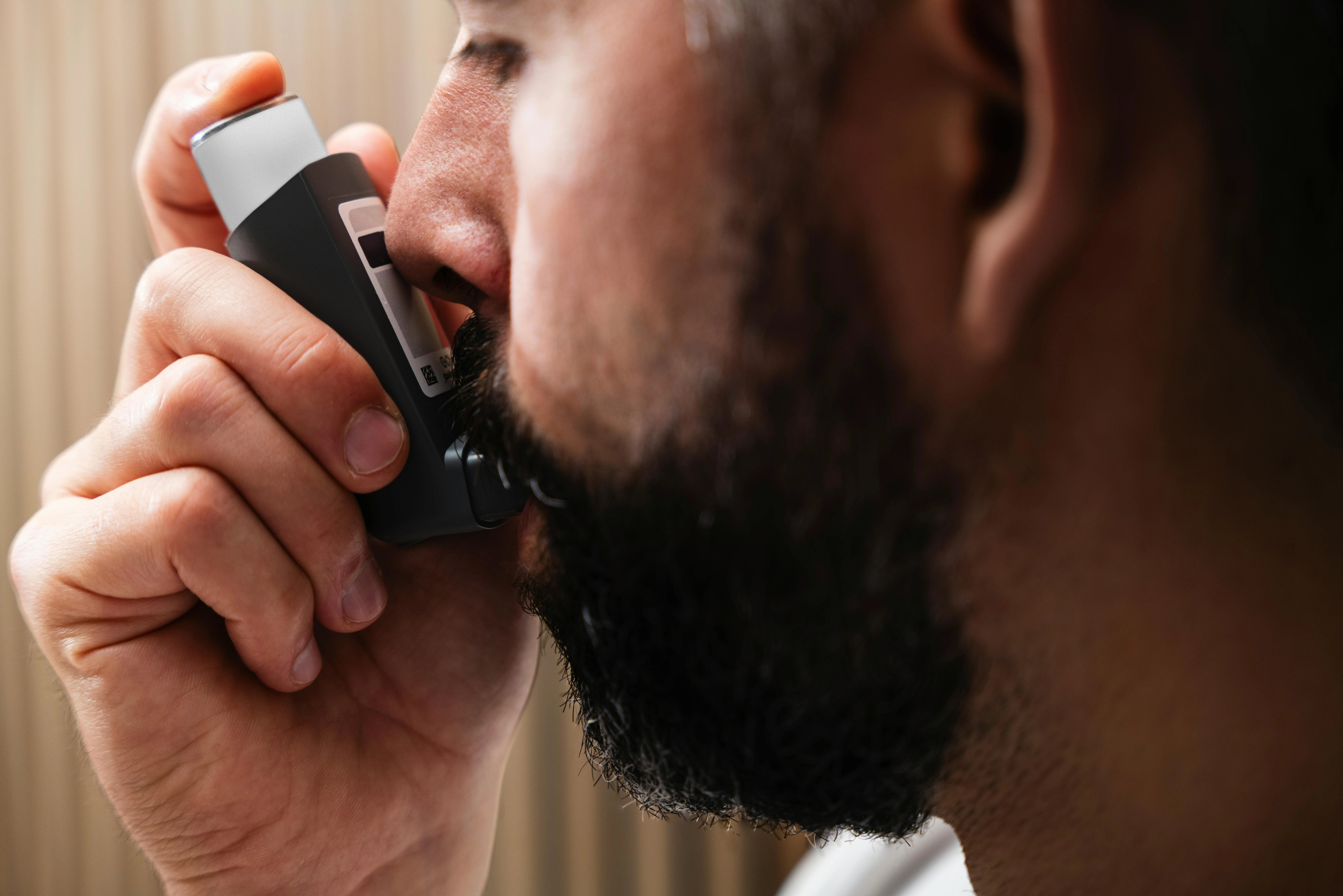
Bronchitis is a common respiratory condition affecting millions of people annually, with acute bronchitis accounting for a significant number of outpatient visits in the United States1. It involves inflammation of the bronchial tubes, which carry air to and from the lungs, leading to symptoms such as cough and mucus production2. While acute bronchitis is usually caused by viral infections and resolves within a few weeks, chronic bronchitis is a long-term condition often linked to smoking and environmental exposures3. Understanding the types, symptoms, causes, diagnosis, treatment, and prevention of bronchitis is essential for effective management and reducing complications4.
Types of Bronchitis
Bronchitis is classified into two main types based on the duration and nature of symptoms: acute and chronic bronchitis.
Acute bronchitis is a transient infection characterized by inflammation of the bronchial tubes, usually lasting less than three weeks5. It is the most frequent form of bronchitis and often occurs as a chest cold following viral upper respiratory infections such as colds or influenza61. The inflammation causes increased mucus production and irritation, leading to cough and other respiratory symptoms2. Acute bronchitis is typically self-limited and resolves without lasting effects in most healthy individuals5.
Chronic bronchitis is defined clinically by a productive cough lasting for at least three months in each of two consecutive years4. It is a major component of chronic obstructive pulmonary disease (COPD), a progressive disease characterized by airflow limitation and chronic airway inflammation74. Chronic bronchitis results from prolonged injury to the bronchial tubes, most commonly due to long-term exposure to tobacco smoke and environmental pollutants4. Symptoms tend to fluctuate with periods of exacerbations and relative remission4.
| Aspect | Acute Bronchitis | Chronic Bronchitis |
|---|---|---|
| Duration | Usually less than 3 weeks5 | Symptoms ≥3 months/year for ≥2 years4 |
| Cause | Mostly viral infections6 | Long-term irritant exposure, smoking4 |
| Symptoms | Cough, sputum, low-grade fever6 | Persistent cough, mucus production4 |
| Treatment | Supportive, antibiotics if bacterial6 | Smoking cessation, bronchodilators, oxygen therapy4 |
| Risk Populations | Infants, elderly, asthmatics6 | Smokers, older adults4 |
Common Symptoms
Bronchitis symptoms vary between acute and chronic forms but share common features related to airway inflammation.
Acute bronchitis is characterized by a cough that can be dry or productive, often lasting up to four weeks6. The cough results from inflammation and mucus production in the bronchial tubes2. Patients may also experience mild fever, usually below 100.4°F, chest tightness, wheezing due to airway narrowing, nasal congestion, and shortness of breath, especially on exertion64. Symptoms generally improve substantially within 5 to 7 days in healthy individuals, though the cough may linger longer86.
Chronic bronchitis presents with a persistent productive cough lasting at least three months per year for two consecutive years4. Patients often have increased mucus production and experience exertional dyspnea (shortness of breath during activity)4. The condition is marked by airway inflammation and mucus hypersecretion, which contribute to airflow obstruction and increased vulnerability to respiratory infections and environmental irritants49. Symptoms typically show exacerbations alternating with periods of relative remission4.
Primary Causes
Bronchitis arises from inflammation of the bronchial tubes, triggered by infectious agents or irritants.
Acute bronchitis is most commonly caused by viral infections, accounting for approximately 85-95% of cases561. Common viruses include rhinovirus, influenza, adenovirus, respiratory syncytial virus (RSV), and coronavirus210. Bacterial infections are less frequent but can occur, especially in patients with underlying conditions11. Acute bronchitis often follows upper respiratory infections such as colds or flu, with initial symptoms including nasal congestion and runny nose6. Airway inflammation leads to cough, wheezing, mild fever, chest tightness, and shortness of breath64.
Chronic bronchitis results from prolonged injury and inflammation of the bronchial tubes, primarily due to long-term exposure to tobacco smoke and environmental pollutants4. Other contributing factors include exposure to fires, chemical fumes, dust, vaping, cannabis use, asthma, and recurrent lung infections410. Older age and genetic factors such as alpha-1 antitrypsin deficiency also increase the risk4. Chronic bronchitis is strongly linked to chronic obstructive pulmonary disease (COPD), a leading cause of death worldwide12.
Risk Factors
- Tobacco smoking and secondhand smoke exposure413
- Exposure to air pollution, chemical fumes, and dust410
- Viral respiratory infections, especially in young children and the elderly61
- Asthma and other underlying lung diseases410
- Living in crowded or polluted environments4
Diagnosing Bronchitis
Diagnosis of bronchitis is primarily clinical, based on patient history and physical examination1415. The hallmark is inflammation of the bronchial tubes causing cough with or without sputum production14. Physical examination includes auscultation of the lungs to detect wheezing or abnormal breath sounds1415. Additional tests may be used to assess severity or exclude other conditions:
- Chest radiography to rule out pneumonia or other lung diseases1415
- Pulse oximetry to monitor oxygen saturation14
- Arterial blood gas analysis to evaluate oxygen and carbon dioxide levels14
- Spirometry to assess airflow obstruction and lung function1415
- Sputum tests or nasal swabs to identify viral or bacterial pathogens if needed1511
Distinguishing acute bronchitis from pneumonia is important, especially if patients present with rapid breathing, high fever, or abnormal lung findings16. Pertussis (whooping cough) should be suspected in cases with prolonged cough over two weeks16.
“Acute bronchitis is usually defined as a self-limited lower respiratory tract infection lasting no more than three weeks, with symptoms including a cough with or without phlegm, with no other alternative explanation based on clinical or radiographic information.”
— Jonathan Stoever, MD, Confluence Health17
Treatment Options
Treatment for bronchitis depends on the type and severity of the condition, focusing on symptom relief and addressing underlying causes.
Medications for Acute Bronchitis
Acute bronchitis is mostly viral, so antibiotics are not routinely recommended and provide minimal benefit61816. Antibiotics are reserved for confirmed bacterial infections or patients with chronic lung disease1116. Symptomatic treatments include:
- Cough suppressants such as dextromethorphan, used sparingly when cough interferes with sleep616
- Expectorants like guaifenesin to loosen mucus and facilitate coughing616
- Bronchodilators to relieve wheezing and airway constriction if present416
- Nonsteroidal anti-inflammatory drugs (NSAIDs) for fever, pain, and inflammation6
Medications for Chronic Bronchitis
Chronic bronchitis treatment aims to control symptoms and improve lung function. Key pharmacologic options include:
- Bronchodilators to open airways and reduce wheezing410
- Corticosteroids to reduce airway inflammation in some cases10
- Antibiotics during exacerbations caused by bacterial infections4
- Phosphodiesterase-4 inhibitors and anticholinergic drugs as adjunct therapies10
Smoking cessation is critical to slow disease progression and improve outcomes4.
Therapy
Additional therapies for chronic bronchitis may include:
- Oxygen therapy for patients with low blood oxygen levels410
- Pulmonary rehabilitation programs to improve breathing, exercise tolerance, and quality of life10
- Avoidance of lung irritants such as smoke, pollution, and allergens4
Home Remedies
Supportive care at home can help relieve bronchitis symptoms:
- Rest and adequate hydration to support recovery1915
- Use of humidifiers or steam inhalation to loosen mucus and ease breathing1915
- Warm teas with honey and throat lozenges for soothing cough and throat irritation3
- Avoidance of smoke and other lung irritants419
Acute bronchitis usually resolves on its own within a few weeks, and most people recover without antibiotics. Symptom management with rest, fluids, and over-the-counter medicines is often sufficient.1916
Prevention Strategies
Preventing bronchitis involves reducing exposure to infectious agents and environmental irritants.
- Avoid close contact with people who have respiratory infections419
- Practice good hand hygiene to reduce transmission of viruses4
- Get vaccinated against influenza, pneumococcal pneumonia, COVID-19, and other respiratory pathogens419
- Avoid smoking and exposure to secondhand smoke413
- Use masks when exposed to air pollutants, chemical fumes, or crowded environments4
Potential Complications
While bronchitis is often self-limited, complications can occur, especially in vulnerable populations such as young children, the elderly, and those with underlying lung diseases64.
- Secondary bacterial pneumonia64
- Prolonged cough and respiratory distress6
- Progressive airflow obstruction and respiratory failure in chronic bronchitis4
- Increased risk of cardiovascular diseases, including coronary artery disease, in chronic bronchitis patients4
- Functional impairment and reduced quality of life due to chronic symptoms4
Key Takeaways
- Acute bronchitis is a common, usually viral infection causing transient bronchial inflammation and cough lasting up to three weeks56.
- Chronic bronchitis is a long-term condition marked by persistent productive cough for at least three months per year over two years, often linked to smoking and COPD47.
- Diagnosis is primarily clinical, supported by physical exam and selective tests to exclude pneumonia or other diseases1415.
- Treatment of acute bronchitis focuses on symptom relief; antibiotics are reserved for bacterial cases616.
- Prevention includes vaccination, smoking cessation, hand hygiene, and avoiding lung irritants419.
Frequently Asked Questions
What causes bronchitis?
Acute bronchitis is mainly caused by viral infections such as influenza and rhinovirus, while chronic bronchitis results from long-term exposure to tobacco smoke and environmental pollutants64.
Is bronchitis contagious?
Bronchitis itself is not contagious, but the viruses and bacteria that cause acute bronchitis can spread through respiratory droplets and contact with contaminated surfaces64.
“Acute bronchitis represents a common clinical presentation across various healthcare settings. In the United States, approximately 5% of individuals annually report physician-diagnosed cases of acute bronchitis.”
— Anumeha Singh, University of Florida1
When should I see a doctor for bronchitis?
Seek medical attention if your cough lasts more than 2-3 weeks, worsens, or if you experience difficulty breathing, chest pain, or high fever43.
Can antibiotics cure bronchitis?
Antibiotics are not effective for viral bronchitis and are only recommended if a bacterial infection is confirmed or suspected611.
How can I prevent bronchitis?
Preventive measures include vaccination, avoiding smoking and secondhand smoke, practicing good hand hygiene, and minimizing exposure to lung irritants419.