Babesiosis is an emerging tick-borne disease caused by parasites that infect red blood cells, with cases rising steadily in the United States and other parts of the world1. This increase is linked to expanding tick populations and changing environmental factors, posing new challenges for public health and clinical care2. The illness can range from mild or asymptomatic to severe, malaria-like disease, especially affecting older adults and immunocompromised individuals3. Understanding the causes, symptoms, diagnosis, and treatment of babesiosis is critical as its geographic range continues to expand4.
Babesiosis Causes and Rising Infection Rates
Babesiosis is caused by protozoan parasites of the genus Babesia, which infect red blood cells. In the United States, Babesia microti is the most common species responsible for human infection2. The primary mode of transmission is through the bite of infected hard-bodied ticks, mainly the black-legged tick (Ixodes scapularis), also known as the deer tick23. These ticks are also vectors for other diseases such as Lyme disease, leading to frequent co-infections5.
The incidence of babesiosis has been rising significantly in recent years. From 2015 to 2022, babesiosis rates increased by approximately 9% annually in the U.S., with some northeastern states experiencing several-fold increases in cases between 2011 and 201916. This trend is attributed to multiple factors:
- Expansion of tick habitats due to climate change and environmental alterations, such as warmer temperatures and milder winters, which allow ticks to survive longer and spread to new areas278.
- Increased human exposure to ticks as their geographic range expands into northern New England and other previously unaffected regions43.
- Enhanced surveillance and diagnostic capabilities leading to better detection and reporting of cases, contributing to the apparent rise in incidence24.
- Blood transfusion transmission, though rare, poses an additional risk especially in endemic regions, as Babesia parasites can survive in donated blood93.
Co-infections with other tickborne pathogens, including Borrelia burgdorferi (the cause of Lyme disease), are common due to shared tick vectors. However, mortality rates do not significantly increase with co-infections of babesiosis and other tickborne diseases54.
“We’re seeing more diverse species of ticks, more often. Tick ranges are expanding with changing climate, and milder winters mean more ticks survive through the season.”
— Timothy Driscoll, WVU Eberly College of Arts and Sciences8
- Climate-driven shifts expanding tick habitats and activity periods27
- Geographic spread into new endemic areas with low awareness4
- Shared vectors causing frequent co-infections with Lyme disease and others5
- Blood transfusion as a secondary transmission route9
- Improved diagnostic and reporting systems revealing more cases24
Symptoms and Diagnosis of Babesiosis
Babesiosis symptoms can range from none at all to severe illness resembling malaria, caused by the parasite’s invasion and multiplication within red blood cells (intraerythrocytic replication) leading to hemolytic anemia104. Symptoms typically appear 1 to 4 weeks after infection but can sometimes take several months to manifest11.
Common symptoms include:
- High fever, sometimes reaching up to 104°F11
- Chills and profuse sweating, especially night sweats11
- Fatigue, muscle and joint pain, headache, and general discomfort113
- Loss of appetite, nausea, and dizziness11
- Signs of hemolytic anemia such as weakness, dark urine, and jaundice (yellowing of skin and eyes)1110
Severe babesiosis is more likely in older adults (especially those over 65), people with weakened immune systems, and individuals without a spleen (asplenic)43. Complications can include multi-organ failure, respiratory distress, renal failure, and splenic rupture5. Long-term neurological and other sequelae are not well understood and require further research4.
Diagnosis relies on laboratory testing:
- Blood smear microscopy to detect Babesia parasites inside red blood cells54
- Polymerase chain reaction (PCR) testing for parasite DNA, which is more sensitive54
- Serologic tests to detect antibodies against Babesia5
Because babesiosis symptoms overlap with other tickborne illnesses such as Lyme disease, and because many cases are asymptomatic or mild, underdiagnosis remains a challenge5. Increased clinical awareness and testing in endemic and emerging areas are improving detection rates54.
“You may or may not see the tick bite mark on your skin, so your symptoms may be the earliest sign of an infection.”
— Dr. Nancy A. Shadick, Brigham and Women's Hospital11
- Fever, chills, sweats, fatigue, headache, muscle and joint pain113
- Hemolytic anemia signs: weakness, dizziness, dark urine, jaundice1011
- Blood smear microscopy and PCR testing for parasite detection54
- Serology for antibody detection5
- Symptom onset typically 1–4 weeks post-infection, sometimes longer11
Babesiosis Treatment and Recovery
Treatment of babesiosis generally involves a combination of antimicrobial medications targeting the Babesia parasites. The standard regimen includes atovaquone plus azithromycin for 7 to 10 days, which is effective for most patients4. In more severe or complicated cases, especially in immunocompromised individuals, treatment may be extended or use alternative drugs such as clindamycin plus quinine4.
Recovery varies depending on disease severity and patient factors:
- Mild to moderate cases usually respond well to standard treatment within 1–2 weeks4
- Immunosuppressed patients or those with relapsing babesiosis may require prolonged therapy4
- Severe babesiosis can cause life-threatening complications requiring hospitalization and supportive care5
- Long-term effects and potential neurological sequelae remain under investigation4
“Babesiosis can be a severe, life-threatening disease particularly for adults over age 65 and people with weakened immune systems.”
— Summary from clinical data11
Preventive measures remain critical to reduce infection risk, especially in endemic and emerging areas. These include:
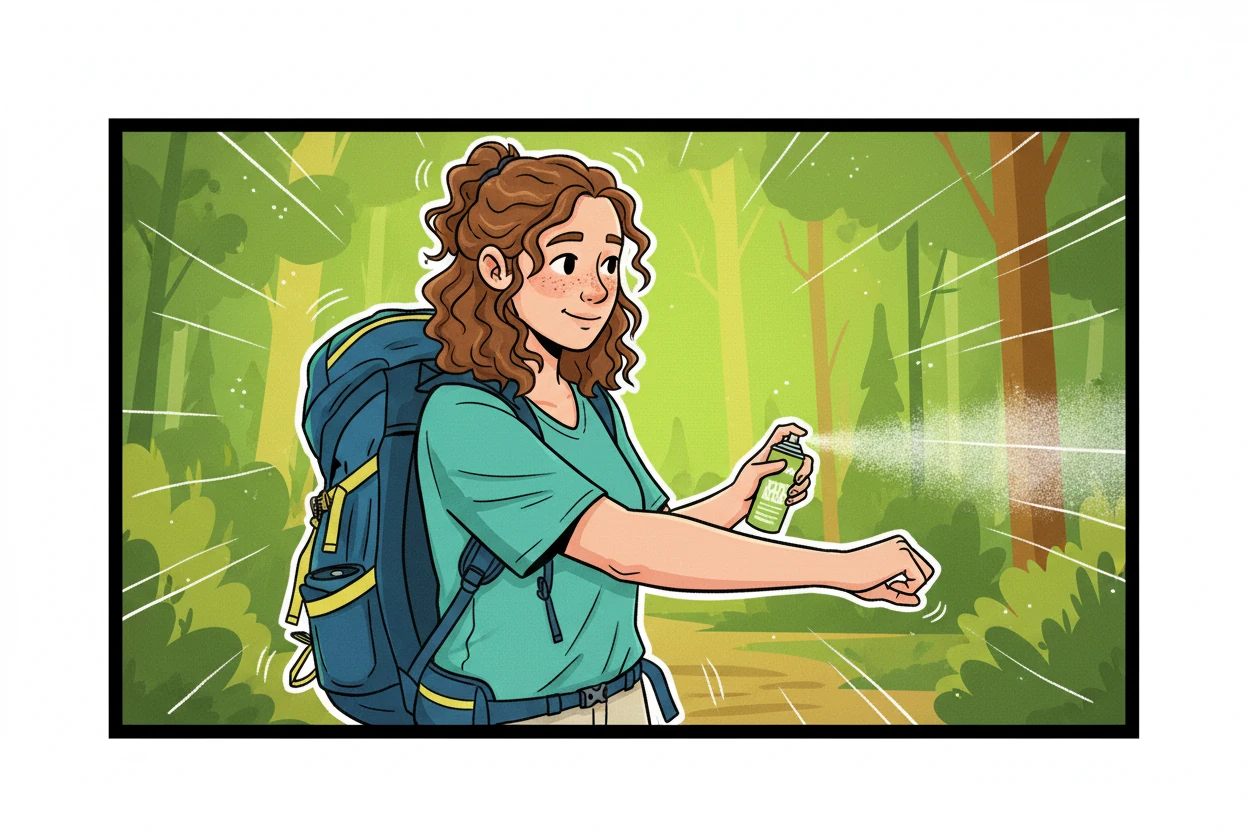
- Using EPA-approved insect repellents114
- Wearing protective clothing such as long sleeves and light-colored pants to spot ticks easily114
- Avoiding wooded and brushy areas with high grass11
- Performing thorough tick checks after outdoor activities and promptly removing ticks114
- Showering within two hours of coming indoors to wash off unattached ticks11
| Treatment Regimen | Duration | Notes |
|---|---|---|
| Atovaquone + Azithromycin | 7–10 days | Standard treatment for most cases4 |
| Clindamycin + Quinine | 7–10 days | Used in severe or complicated cases4 |
| Prolonged therapy | Variable | Recommended for immunosuppressed or relapsing patients4 |