Since its first detection in mid-2023, the BA.2.86 COVID-19 variant has attracted significant attention due to its extensive mutations and global spread1. Despite its high number of spike protein mutations, early evidence suggests that BA.2.86 has not caused a surge in severe illness or mortality, even as it circulates in multiple countries including the United States21. As the holiday season approaches, understanding how BA.2.86 compares to other variants and how to stay safe remains a public health priority34.
BA.2.86 vs. Other COVID Variants
BA.2.86 is a sublineage of the Omicron variant of SARS-CoV-2, first identified in Denmark and Israel in late July 202351. It is distinguished by over 30 mutations in the spike protein compared to the earlier BA.2 lineage and more than 35 mutations compared to the dominant XBB.1.5 variant of 202356. The spike protein is critical for viral entry into human cells, and mutations in this region can influence transmissibility and immune evasion7.
Unlike recent Omicron subvariants that evolved from XBB lineages, BA.2.86 traces its origins to the older BA.2 lineage, which circulated widely in early 202287. This evolutionary path is unusual and has raised questions about its potential to evade immunity and spread. Laboratory studies using sera from vaccinated or previously infected individuals show that BA.2.86 exhibits only marginally less immune evasion than XBB.1.5, indicating it may not dramatically escape existing immunity910.
Real-world data from the United States during the winter of 2023–24 reveal that despite widespread transmission of BA.2.86 and its sublineage JN.1, there was no corresponding increase in hospitalizations or deaths compared to previous COVID-19 waves2. This suggests that while BA.2.86 can infect individuals, it does not appear to cause more severe disease. Symptoms reported from JN.1 infections include sore throat, fever, dry cough, nausea, and vomiting, which are consistent with typical COVID-19 presentations1112.
“The critical thing about this variant (BA.2.86) is that it has a whole host of mutations compared to some of the omicron variants that emerged about two years ago.”
— Andrew Pekosz, Ph.D., Johns Hopkins University16
The World Health Organization (WHO) classified BA.2.86 as a "variant under monitoring" on August 17, 2023, due to its genetic divergence and potential for immune escape51314. Continuous genomic and wastewater surveillance have been essential in tracking its spread. In the United States, BA.2.86 was first detected in a patient sample collected on August 3, 2023, with wastewater surveillance identifying the variant even earlier in late July115. As of October 2023, BA.2.86 had been reported in at least 32 countries across five continents, though it accounted for less than 1% of circulating variants in the US at that time115.
The variant's spike protein contains 14 mutations in the receptor binding domain, which interacts directly with human cell receptors, potentially enhancing infectivity7. However, current vaccines, including the updated bivalent boosters targeting XBB.1.5, appear to generate a strong immune response against BA.2.86, providing cross-protection16. Antiviral treatments such as Paxlovid, Veklury, and Lagevrio remain effective against BA.2.86 and its sublineages11.
| Variant | Spike Protein Mutations Compared to BA.2 | Immune Evasion Compared to XBB.1.5 | Disease Severity | Geographic Spread (as of Oct 2023) |
|---|---|---|---|---|
| BA.2.86 | >30 | Marginally less | No increase | 32 countries including US, UK, France, Canada, Australia591 |
| XBB.1.5 | Baseline | Higher | Baseline | Dominant globally in early 2023616 |
| JN.1 (sublineage of BA.2.86) | Additional mutations from BA.2.86 | Similar to BA.2.86 | No increase | Widespread in US winter 2023–24112 |
Holiday Safety and Prevention Tips
As the holiday season approaches, the risk of respiratory virus transmission, including SARS-CoV-2 variants like BA.2.86, increases due to colder weather and indoor gatherings34. Although BA.2.86 currently poses a low public health risk, preventive measures remain essential to reduce COVID-19 spread and protect vulnerable populations3.
Key safety and prevention strategies include:
-
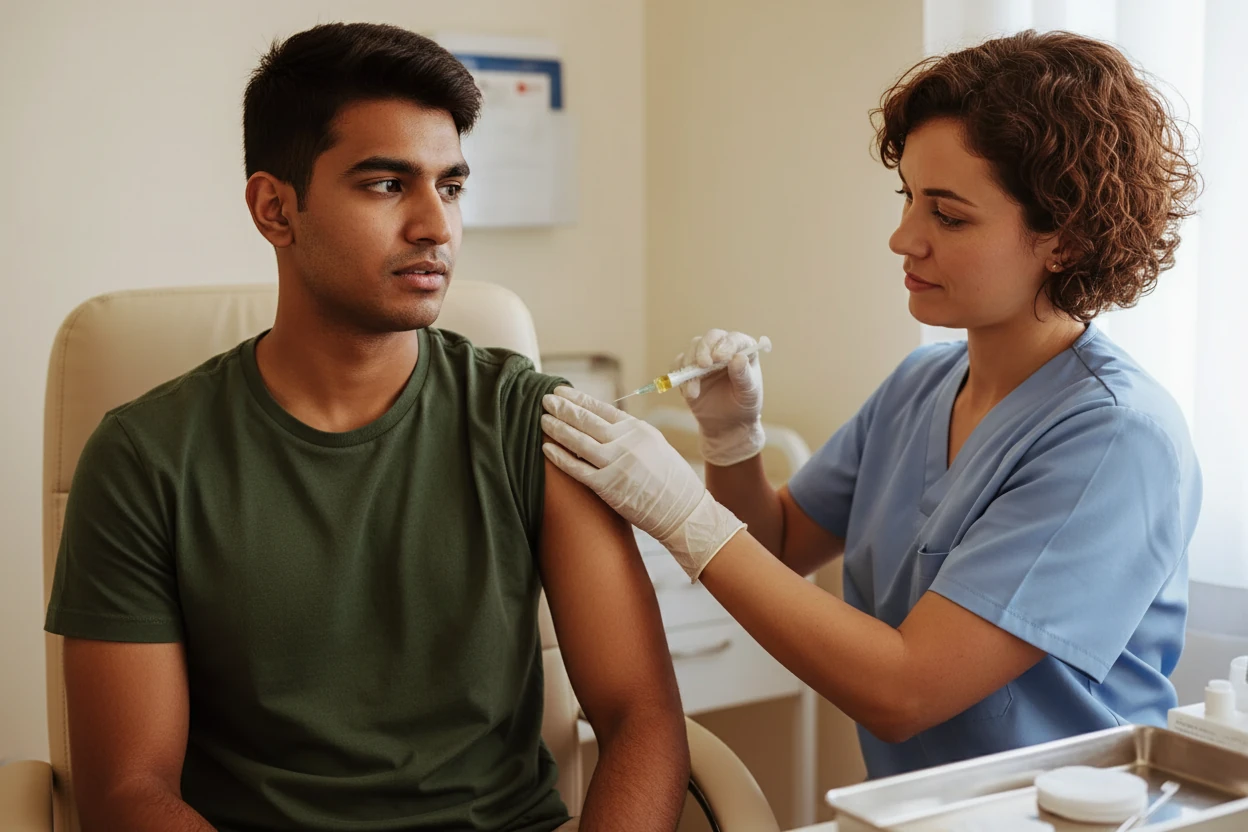
Vaccination: Staying up to date with COVID-19 vaccines, including the latest boosters formulated against Omicron subvariants, is crucial for reducing severe illness and hospitalization316. Despite vaccine availability, many populations have suboptimal vaccination rates, underscoring the need for continued outreach11.
-
Mask-Wearing: Using well-fitting masks, especially in crowded or indoor settings, helps reduce transmission of respiratory viruses3.
-
Good Hygiene: Regular handwashing and respiratory etiquette (covering coughs and sneezes) remain effective in limiting virus spread3.
-
Ventilation: Improving indoor air circulation by opening windows or using air purifiers can lower viral concentration in enclosed spaces4.
-
Testing and Isolation: Prompt testing when symptomatic and isolating if positive helps prevent onward transmission3.
Current antiviral treatments approved for COVID-19, such as Paxlovid and Veklury, remain effective against BA.2.86 and its sublineages, offering therapeutic options for infected individuals, especially those at higher risk11. However, maintaining robust genomic and public health surveillance is critical to detect any changes in variant behavior and guide timely interventions111.