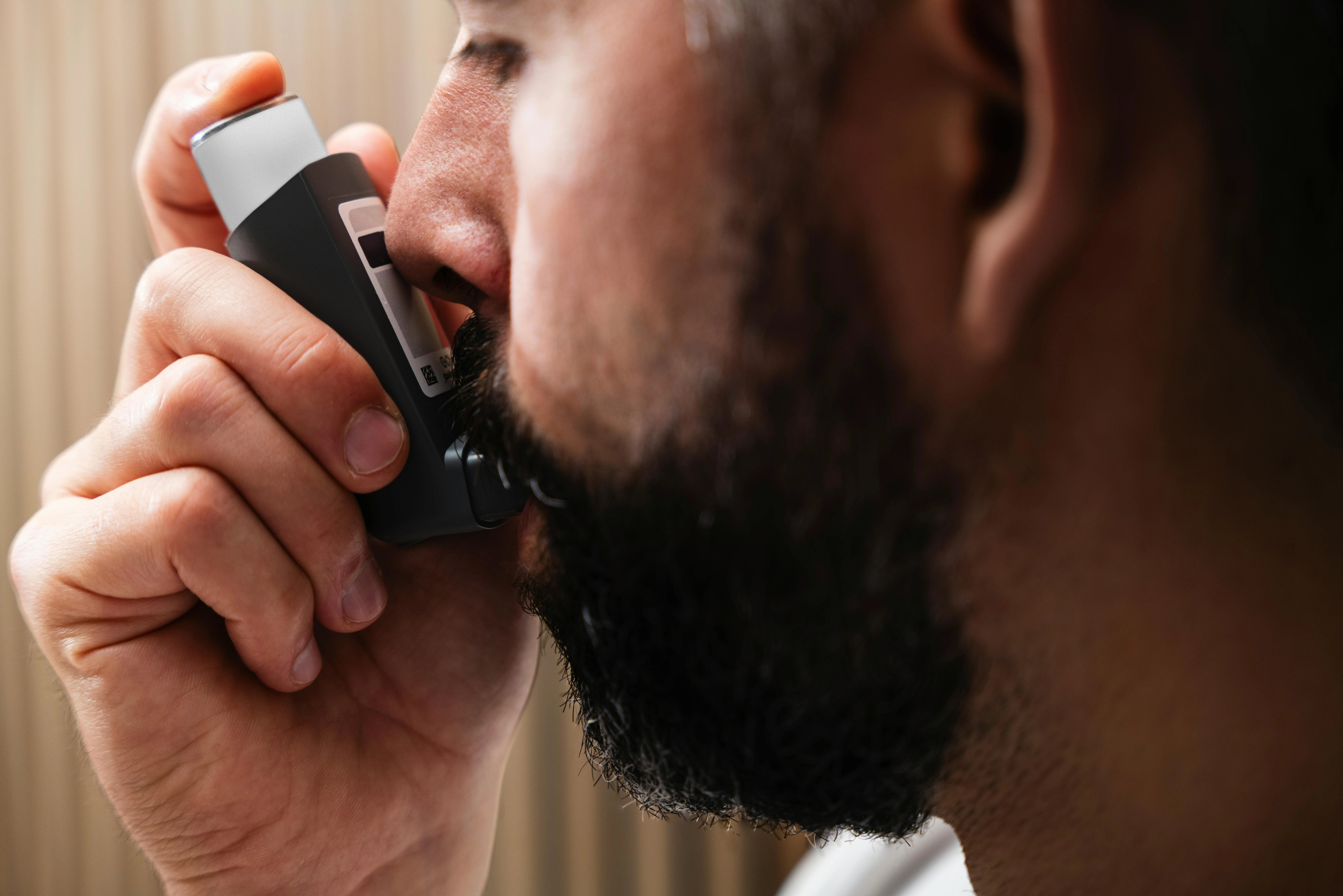
Asthma is a chronic respiratory condition affecting over 300 million people worldwide, characterized by inflammation and narrowing of the airways that cause breathing difficulties1. It can develop at any age and presents with a variety of symptoms triggered by allergens, environmental factors, or physical activity2. Understanding the different types of asthma based on triggers, age of onset, and severity is crucial for effective management and treatment34.
Understanding Type 2 Asthma and Triggers
Asthma is often classified according to the triggers that provoke symptoms and the clinical presentation of those symptoms34. These triggers cause airway inflammation and bronchospasm, leading to common symptoms such as wheezing, coughing, breathlessness, and chest tightness5.
Allergic Asthma
Allergic asthma is the most prevalent asthma phenotype, affecting approximately 50-80% of asthma patients3. It results from immune responses to environmental allergens, which provoke type 2 inflammation involving cytokines like IL-4, IL-5, and IL-1336. Common allergens include pet dander and pollens from various plants, which trigger immune-mediated asthma symptoms upon inhalation or contact36. Environmental exposures to pests and mold, especially in substandard housing, contribute to asthma disparities and severity7. Symptoms of allergic asthma overlap with other asthma types but typically include wheezing, coughing, breathlessness, and chest tightness35.
Occupational Asthma
Occupational asthma develops when substances inhaled at work cause asthma symptoms or trigger attacks8. Common occupational triggers include sawdust, flour, glues, latex, and building materials89. These exposures can lead to immune-mediated airway inflammation or irritant-induced asthma, depending on the agent involved9. Diagnosis often requires a detailed occupational history and may involve allergy testing to identify specific workplace allergens8.
Exercise-Induced Asthma
Exercise-induced asthma, also known as exercise-induced bronchospasm, occurs when physical activity triggers asthma symptoms such as shortness of breath, chest tightness, wheezing, or coughing8. Symptoms typically appear during or shortly after exercise, especially in cold weather or intense physical activity108. This type of asthma is common among people with other asthma phenotypes but may also occur as an isolated condition8.
Cough-Variant Asthma
Cough-variant asthma is characterized primarily by a chronic cough without the typical wheezing or breathlessness seen in other asthma types8. It can be triggered by allergens, irritants, or infections and may progress to classic asthma if untreated8. Diagnosis relies on clinical history and lung function tests, and treatment involves standard asthma therapies8.
Nocturnal Asthma
Nocturnal asthma refers to asthma symptoms that worsen at night, leading to sleep disturbances8. This pattern is linked to circadian variations in airway inflammation and bronchial responsiveness8. Patients may experience increased coughing, wheezing, and breathlessness during nighttime hours, which can impair quality of life and asthma control8.
Asthma triggers vary widely and include allergens like pollen and pet dander, occupational exposures, exercise, and environmental irritants. Identifying and avoiding these triggers is a key step in managing asthma effectively.1037
Asthma Types by Age of Onset
Asthma classification also considers the age at which symptoms first appear, as this influences disease course and management4.
Childhood Asthma
Most pediatric asthma cases begin before the age of five, with symptoms often improving or remitting over time411. Childhood asthma is strongly associated with genetic predisposition, atopy (a tendency to develop allergic diseases), and other respiratory conditions4. Environmental risk factors such as exposure to tobacco smoke after birth and air pollution increase the likelihood of developing asthma in children12. Typical symptoms include wheezing, coughing, and breathlessness4. Management focuses on avoiding triggers and using bronchodilators and inhaled corticosteroids to control inflammation4.
Adult-Onset Asthma
Asthma that begins in adulthood is generally more persistent and less likely to remit compared to childhood asthma13. Adult-onset asthma may develop after age 18 and can be triggered by occupational exposures, infections, or unknown factors13. This type often requires more intensive treatment and monitoring due to its chronic nature13. Symptoms are similar to other asthma types and include wheezing, coughing, and breathlessness13.
Childhood asthma may improve with age, but adult-onset asthma tends to persist and requires ongoing management to prevent complications.134
Asthma Severity Levels
Asthma severity is classified based on the intensity of symptoms and the patient’s response to treatment14. The National Institutes of Health and Global Initiative for Asthma (GINA) guidelines categorize asthma into four main severity levels: intermittent, mild persistent, moderate persistent, and severe persistent151617.
| Severity Level | Symptom Frequency | Nighttime Symptoms | Rescue Inhaler Use | Lung Function (FEV1) | Risk of Exacerbations |
|---|---|---|---|---|---|
| Intermittent | Symptoms ≤ 2 days/week1617 | ≤ 2 times/month1617 | ≤ 2 days/week17 | ≥ 80% predicted1817 | 0-1/year requiring corticosteroids17 |
| Mild Persistent | > 2 days/week but not daily1617 | 3-4 times/month1617 | > 2 days/week but not daily17 | ≥ 80% predicted1817 | ≥ 2/year17 |
| Moderate Persistent | Daily symptoms1617 | > 1 time/week but not nightly1617 | Daily use17 | 60-80% predicted1817 | ≥ 2/year17 |
| Severe Persistent | Symptoms throughout the day1617 | Frequent nighttime symptoms1617 | Several times per day17 | < 60% predicted1817 | ≥ 2/year17 |
Severe asthma affects about 5-10% of patients and is characterized by poor control despite high-dose corticosteroids and other treatments1920. These patients may benefit from targeted biologic therapies that address specific inflammatory pathways20. Asthma severity assessment guides treatment decisions and helps predict the risk of exacerbations1421.
“Asthma is a condition that causes your airways to swell, narrow, and fill with mucus. This can make it hard to breathe or cause other symptoms, like chest tightness, cough, and wheezing. Common asthma triggers include allergies-symptoms-causes-and-treatmentallergies-symptoms-causes-and-treatmentallergies (like pets or pollen), smoke, cold weather, exercise, strong smells, and stress. Asthma attacks can be fatal if not treated.”
— Neha Solanki, Cleveland Clinic10
When to Seek Medical Care
Medical consultation is essential when asthma symptoms interfere with daily activities or worsen despite treatment5. Key signs indicating the need for healthcare evaluation include persistent cough, wheezing on exhalation, and increased frequency or severity of symptoms5. Poor asthma control may manifest as increased use of rescue inhalers or worsening symptoms despite adherence to prescribed medications5.
Severe asthma attacks require emergency care and are marked by signs such as cyanosis (bluish skin), nasal flaring, inability to speak normally, chest pain, and severe wheezing5. Early recognition and prompt treatment of exacerbations can prevent serious complications and improve outcomes5.
- Seek medical advice if asthma symptoms limit normal activities5.
- Persistent cough or wheezing warrants evaluation5.
- Increased wheezing despite treatment signals poor control5.
- Severe asthma attacks with difficulty speaking or cyanosis require emergency care5.
- Follow an asthma action plan and use rescue inhalers as directed22.
Asthma Types and Other Causes of Asthma-Like Symptoms
“Asthma is a chronic condition causing airway inflammation and narrowing, leading to symptoms like wheezing, coughing, and chest tightness. Avoiding triggers and using prescribed medications can help manage symptoms effectively.10”
Asthma is a heterogeneous disease with multiple phenotypes and endotypes defined by distinct immunological and clinical features13. The main asthma types include:
- Allergic Asthma: Triggered by allergens and characterized by type 2 inflammation; affects 50-80% of patients; onset can be in childhood or adulthood361.
- Occupational Asthma: Caused by workplace exposures to irritants or allergens8.
- Exercise-Induced Asthma: Symptoms triggered by physical activity, especially in cold or intense exercise108.
- Cough-Variant Asthma: Presents mainly with chronic cough without classic wheezing8.
- Nocturnal Asthma: Symptoms worsen at night due to circadian airway changes8.
- Childhood Asthma: Often begins before age five; may improve or remit; influenced by genetics and environmental factors411.
- Adult-Onset Asthma: Usually persistent and less likely to remit; may require more intensive management13.
- Severe Asthma: Poorly controlled despite treatment; affects 5-10% of patients; may need biologics or advanced therapies2019.
Understanding these types helps healthcare providers tailor treatment plans to individual patients, improving asthma control and quality of life322.