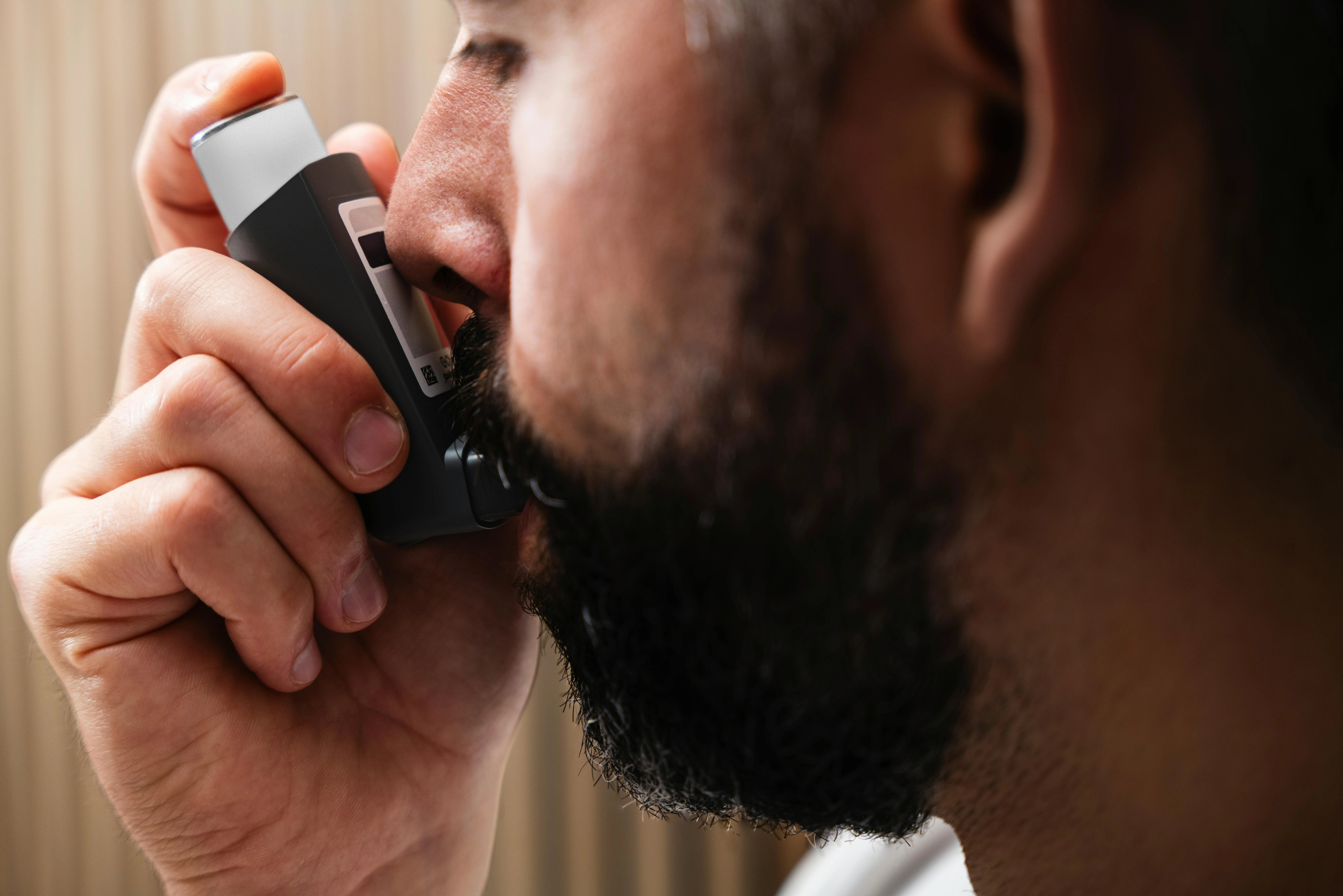
Asthma affects millions worldwide and can cause sudden episodes of breathing difficulty known as asthma attacks1. These attacks result from airway narrowing and inflammation, which can severely impact lung function and quality of life2. Proper management and early recognition of symptoms are essential to prevent severe complications and improve outcomes3.
Asthma Attack Symptoms
Asthma attacks involve a worsening of symptoms that reduce airflow and make breathing difficult4. These attacks can begin suddenly or develop gradually over several days, often following an upper respiratory infection5. The severity and duration of an attack can vary widely, lasting from minutes to days6.
Early Warning Signs of an Asthma Attack
Recognizing early signs of an asthma attack is crucial for timely intervention and prevention of severe symptoms4. Common early warning signs include:
- Increased mucus production in the airways7
- Nasal congestion or stuffiness7
- Fatigue and weakness7
- Itching sensations in the chin or neck area7
- Difficulty taking a deep breath7
- Persistent cough7
- A tickle in the throat or chest7
Early identification of these symptoms allows for prompt treatment, reducing the risk of progression to a severe attack8.
Mild To Moderate Asthma Attack Symptoms
During mild to moderate attacks, symptoms become more noticeable and interfere with daily activities. These include:
- Wheezing, a high-pitched whistling sound during breathing out7
- Shortness of breath or difficulty breathing7
- Chest tightness or discomfort7
- Coughing, especially at night or early morning7
These symptoms can fluctuate and may worsen without appropriate treatment2.
Severe Asthma Attack Symptoms
Severe asthma attacks are medical emergencies that can be life-threatening if not treated promptly9. Indicators of a severe attack include:
- Severe shortness of breath with difficulty speaking or completing sentences2
- Gasping for air and use of accessory muscles to breathe3
- Persistent coughing and wheezing despite medication use2
- Chest pain or pressure2
- Rapid breathing and sweating2
- Bluish discoloration of lips, face, or fingernails (cyanosis)2
Immediate medical attention is required for these symptoms to prevent respiratory failure9.
Asthma Attack Causes
Asthma is a chronic inflammatory airway disease characterized by airway swelling, narrowing, and mucus production9. Attacks occur when various triggers cause airway obstruction through bronchospasm (muscle tightening), inflammation, and mucus buildup10.
Asthma Attack Triggers
Common triggers that can precipitate asthma attacks include:
- Allergens such as pollen, pet dander, dust mites, and mold10
- Irritants like cigarette smoke, air pollution, and strong chemical smells11
- Viral respiratory infections, which are the principal cause of exacerbations5
- Weather changes, including cold air and rapid temperature shifts11
- Physical exercise, especially in cold or dry environments11
- Emotional stress and anxiety11
The interaction of genetic and environmental factors influences asthma development and severity12. Avoiding known triggers is a key strategy in managing asthma and preventing attacks13.
Diagnosing Asthma Attacks
Diagnosis of asthma attacks primarily relies on identifying characteristic symptoms such as wheezing, shortness of breath, chest tightness, and cough7. For patients with a known asthma diagnosis, additional testing during an attack may not be necessary7.
Key diagnostic tools include:
- Spirometry, which measures lung function by assessing the volume and speed of exhaled air before and after bronchodilator use14
- Peak flow meter readings to monitor airflow obstruction and detect early signs of attacks14
- Pulse oximetry to measure oxygen saturation and assess oxygen delivery efficiency14
- Fractional exhaled nitric oxide (FeNO) testing to evaluate airway inflammation14
These tests help confirm asthma diagnosis, assess attack severity, and guide treatment15.
Asthma Attack Treatment
Treatment of asthma attacks aims to reduce airway inflammation and relax airway muscles to improve breathing13. Pharmacological management includes quick-relief and controller medications tailored to attack severity.
Asthma Action Plan
An asthma action plan is a personalized guide that helps patients manage their condition effectively13. It includes:
- Identification of individual triggers and symptoms13
- Instructions on medication use during stable periods and attacks13
- Steps to take when symptoms worsen, including when to seek emergency care13
Following an action plan improves symptom control and reduces hospital visits3.
At-Home Asthma Attack Treatments
For mild to moderate attacks, early at-home interventions can prevent progression13. Recommended steps include:
- Using quick-relief inhalers (short-acting beta-agonists) to relax airway muscles13
- Sitting upright and staying calm to ease breathing13
- Monitoring symptoms and peak flow readings closely14
- Taking oral corticosteroids if prescribed for exacerbations13
Prompt treatment at home can often control attacks without emergency care2.
Severe Asthma Attack Treatments
“Asthma is a chronic inflammatory respiratory condition characterized by hallmark symptoms of intermittent dyspnea, cough, and wheezing. Early recognition and intervention of asthma exacerbations are crucial to prevent progression to severe, life-threatening stages.”3
Severe attacks require urgent medical attention and may involve:
- Administration of high-dose inhaled bronchodilators and anticholinergics13
- Short courses of oral corticosteroids to reduce inflammation13
- Oxygen therapy to maintain adequate mcv blood test results meaning and normal range oxygen levels9
- Hospitalization for monitoring and advanced interventions if needed9
Early recognition and treatment are critical to prevent respiratory failure and death9.
Asthma Attack Prevention
“As-needed use of a low-dose ICS/formoterol combination is preferred in adolescents and adults with mild asthma.”
— Global Initiative for Asthma16
Preventing asthma attacks involves a combination of lifestyle measures, trigger avoidance, and adherence to treatment plans13. Key strategies include:
- Identifying and avoiding known triggers such as allergens, smoke, and pollution13
- Maintaining regular use of controller medications as prescribed13
- Monitoring lung function with peak flow meters to detect early changes14
- Managing stress through mindfulness, yoga, or breathing exercises13
- Engaging in regular low-impact exercise to improve lung health13
Keeping a symptom journal can help patients and healthcare providers identify patterns and adjust management accordingly13.
Asthma Attack Complications
Untreated or severe asthma attacks can lead to serious complications, including:
- Hypoxia (low oxygen levels in the blood)13
- Acute severe asthma (status asthmaticus), a prolonged attack unresponsive to usual treatments9
- Respiratory failure requiring emergency intervention9
- Pneumothorax (collapsed lung), a rare but serious complication13
- Organ damage due to prolonged oxygen deprivation13
Prompt treatment and effective asthma control are essential to prevent these life-threatening outcomes13.
Asthma Attack Summary
Asthma attacks are sudden or gradual worsening of asthma symptoms caused by airway narrowing, inflammation, and mucus production2. Symptoms range from mild wheezing and cough to severe breathing difficulty and cyanosis2. Triggers include allergens, infections, irritants, weather changes, exercise, and stress11. Diagnosis relies on symptom assessment and lung function tests such as spirometry and peak flow measurement15. Treatment involves quick-relief inhalers, corticosteroids, and personalized asthma action plans13. Prevention focuses on trigger avoidance, medication adherence, and lifestyle modifications13. Severe attacks require emergency care to avoid complications like respiratory failure and death9.