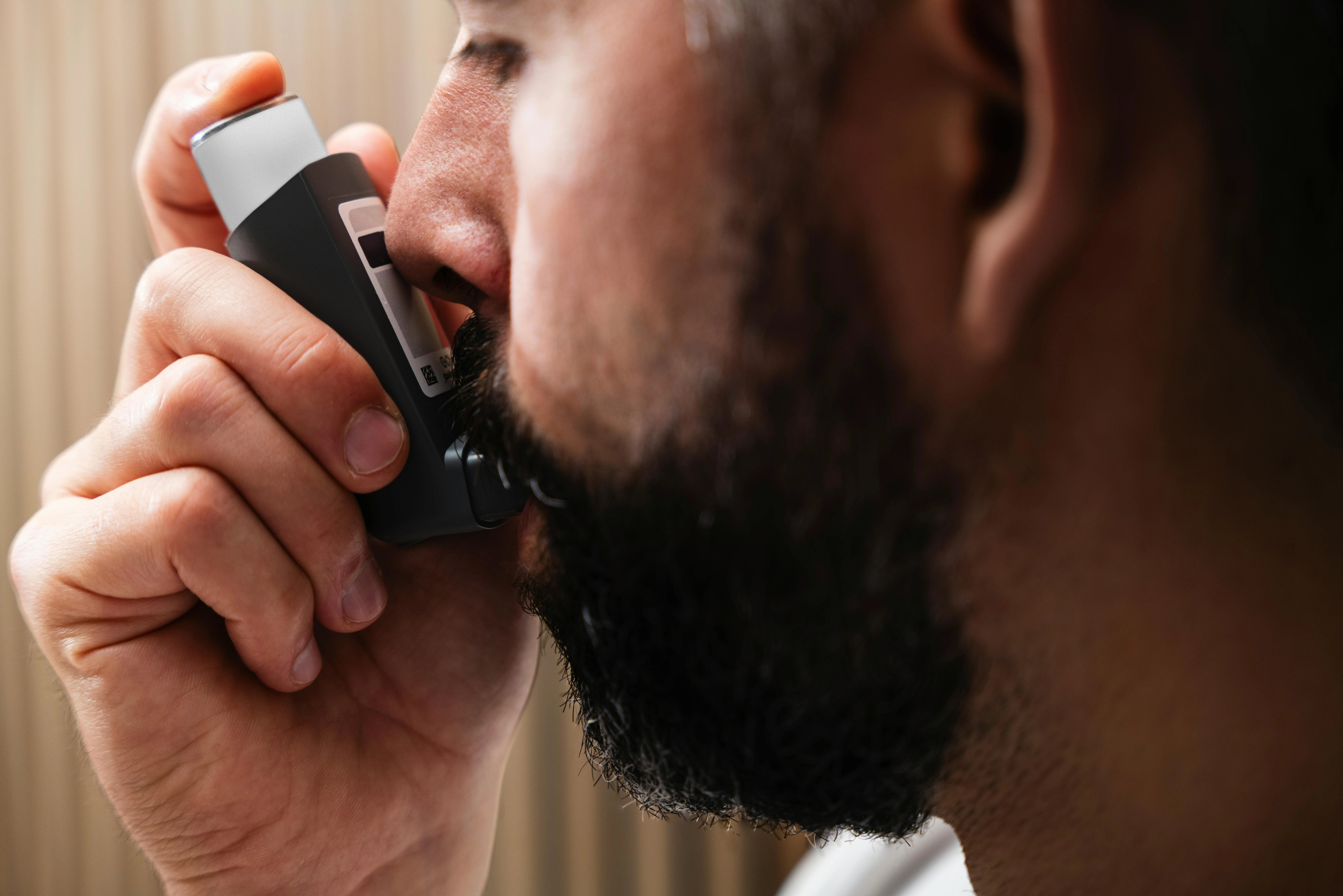
Asthma is a chronic condition that affects the airways, causing inflammation and narrowing that can make breathing difficult. Despite this, regular physical activity is important for everyone, including those with asthma, as it supports overall health and lung function1. Exercise can improve lung capacity, mcv blood test results meaning and normal range flow, and endurance, helping to reduce asthma symptoms and enhance quality of life2. With proper management and precautions, most people with asthma can safely participate in a wide range of physical activities3.
Exercise Benefits for Asthma
Regular exercise offers multiple benefits for individuals with asthma by improving lung function, reducing inflammation, and enhancing exercise capacity. Long-term physical activity is associated with a lower risk of developing asthma and better pulmonary function4. Exercise interventions, even those involving unstructured physical activity over a few months, have demonstrated significant improvements in asthma control and quality of life5.
Pulmonary rehabilitation programs that include exercise training, education, and behavior change are recommended for adults with asthma. These programs improve functional exercise capacity and help reduce symptoms like breathlessness6. Aerobic exercise training specifically increases exercise capacity and reduces dyspnea (shortness of breath) by helping muscles receive more oxygen76. Additionally, physical training can promote anti-inflammatory effects, improve bronchial hyperresponsiveness, and reduce exercise-induced bronchoconstriction (EIB), a common asthma-related symptom8.
Exercise also supports overall health by increasing blood flow to the lungs and heart, which enhances oxygen delivery throughout the body1. Strength training, including moderate-intensity resistance exercises, further improves functional ability and promotes good health in people with asthma9.
- Regular physical activity lowers the risk of developing asthma and improves health outcomes4.
- Exercise improves asthma control as measured by standardized tests like the Asthma Control Test (ACT)10.
- Pulmonary rehabilitation enhances exercise capacity and reduces asthma symptoms6.
- Aerobic training reduces breathlessness and improves oxygen delivery to muscles76.
- Physical training decreases airway inflammation and improves airway responsiveness8.
“Evidence suggests that moderate-intensity resistance training improves functional ability and promotes good health.”
— Linda S. Pescatello, American College of Sports Medicine9
Potential Risks of Exercise with Asthma
Exercise can trigger asthma symptoms in some individuals, especially during vigorous activity or in cold, dry environments. This is often due to exercise-induced bronchoconstriction (EIB), where the airways narrow during or after exercise, causing symptoms such as coughing, wheezing, chest tightness, and shortness of breath11. EIB can affect people with or without asthma but is particularly common in those with asthma, with about 90% experiencing this condition11.
Cold air and dry environments increase the risk of EIB because breathing in cold, dry air can dry and cool the airways, leading to irritation and narrowing1211. Chlorine exposure in swimming pools may also irritate the airways and increase the risk of respiratory allergies12. High-intensity or prolonged exercise can be more likely to provoke symptoms, especially if asthma is poorly controlled9.
To reduce risks, patients are advised to use short-acting beta-2 agonists (bronchodilators) before exercise, which relax the airway muscles and help prevent bronchoconstriction1312. Gradual increases in exercise intensity and avoiding known environmental triggers such as air pollution and cold air are also important127.
- Exercise-induced bronchoconstriction is common during or shortly after exercise11.
- Cold, dry air and chlorine exposure can trigger asthma symptoms1211.
- Vigorous or prolonged exercise increases the risk of symptoms9.
- Using short-acting bronchodilators before exercise helps prevent symptoms1312.
- Gradual progression in exercise intensity reduces the chance of asthma flare-ups7.
Asthma-Friendly Exercise Options
Choosing the right types of exercise can help people with asthma stay active while minimizing symptoms. Activities that involve short bursts of exertion or are performed in warm, humid environments tend to be better tolerated.
Swimming
Swimming is often recommended for asthma patients because the warm, humid air around pools reduces airway irritation1214. It also helps improve upper body strength and breathing control. However, chlorine exposure in pools can irritate the airways of some individuals, so monitoring for sensitivity is important12.
Walking
Walking is a low-impact, accessible exercise that allows control over pace and intensity, making it suitable for people with asthma122. It can be done indoors or outdoors, with indoor walking or treadmill use providing a safe alternative during poor air quality or high pollen seasons. Gradually increasing walking duration and speed helps build endurance without triggering symptoms12.
Biking
Leisure biking at a relaxed pace is another asthma-friendly option12. It is low-impact and can be adjusted easily to suit individual tolerance. E-biking offers a low-intensity, inclusive workout option that minimizes breathlessness15.
Hiking
Hiking on gentle trails provides moderate aerobic exercise with the added benefit of fresh air. Walking in green spaces can improve air quality exposure, but monitoring pollen levels is important to avoid allergic triggers122.
Yoga and Tai Chi
Yoga and Tai Chi combine gentle physical activity with breathing exercises and meditation, which can help improve lung function and reduce asthma symptoms152. Certain yoga postures expand the chest and promote better breathing control, while the relaxation component may alleviate stress-related asthma triggers15.
Other Considerations
Sports involving short bursts of activity, such as baseball, volleyball, and gymnastics, are generally better tolerated than endurance sports like long-distance running or soccer32. Avoiding outdoor exercise during cold weather, high pollution, or high pollen days can also reduce symptom risk19.
- Swimming benefits from warm, humid air but watch for chlorine sensitivity1214.
- Walking is low-impact and easily adjustable for asthma patients12.
- Leisure biking offers a gentle cardiovascular workout12.
- Hiking provides fresh air exposure but requires pollen monitoring12.
- Yoga and Tai Chi improve breathing and reduce stress15.
💡 Did You Know? Physical activity is important for everyone and having asthma shouldn't stop you from being active. Exercise is important for overall health as well as lung health, and there are many benefits of physical activity for people living with asthma1.
Managing Asthma Symptoms During Workouts
Effective management of asthma symptoms during exercise involves preparation, monitoring, and appropriate response. Using a short-acting beta-2 agonist inhaler about 15 minutes before exercise is recommended to prevent exercise-induced bronchoconstriction1312. Warming up before and cooling down after exercise can also reduce the severity and duration of symptoms9.
If symptoms such as coughing, wheezing, chest tightness, or shortness of breath occur during exercise, stopping the activity and using quick-relief medication is important12. Slow, controlled breathing techniques can help alleviate symptoms while resting12. Keeping an asthma action plan accessible during workouts ensures clear steps for managing symptoms and knowing when to seek emergency care7.
Monitoring symptoms regularly helps identify triggers and adjust exercise routines accordingly. Some individuals may find that certain exercises consistently provoke symptoms and may need to modify their activities or intensity12.
- Use a quick-relief inhaler before exercise to prevent symptoms1312.
- Warm up and cool down to reduce asthma flare-ups9.
- Stop exercise and use medication if symptoms develop12.
- Practice slow, controlled breathing to manage symptoms12.
- Keep an asthma action plan handy during workouts7.
Exercise-induced bronchoconstriction (EIB) should not prevent participation in exercise or sports. Proper management with pre-exercise medication and selecting suitable activities can help maintain an active and healthy lifestyle.161
When to Consult a Healthcare Provider
Consulting a healthcare provider is essential for tailoring exercise programs and managing asthma effectively. If asthma symptoms persist or worsen despite using pre-exercise medication, professional evaluation is necessary12. Severe symptoms during exercise, such as bluish lips or nails, flaring nostrils, or retractions (skin pulling between ribs or on the throat), indicate respiratory distress and require immediate medical attention12.
Keeping a symptom diary can help identify patterns and triggers, allowing healthcare providers to adjust treatment plans and recommend appropriate exercises12. If symptoms interfere with daily activities or if there is worsening wheezing despite medication, prompt medical consultation is advised12.
- Seek medical advice if symptoms persist despite medication12.
- Emergency care is needed for severe respiratory distress signs12.
- Track symptoms to help tailor exercise and treatment plans12.
- Consult a provider before starting or changing exercise routines7.
- Stop exercising and seek help if symptoms worsen suddenly12.
“General Principles of Exercise Prescription. In ACSM's Guidelines for Exercise Testing and Prescription.”
— Linda S. Pescatello, American College of Sports Medicine9
Key Takeaways
- Regular exercise improves asthma control, lung function, and quality of life for most people with asthma546.
- Exercise-induced bronchoconstriction is common but can be managed with pre-exercise medication and gradual intensity increases13127.
- Swimming, walking, leisure biking, hiking, and yoga are among the best exercise options for asthma patients due to their low risk of triggering symptoms121514.
- Always warm up, cool down, and carry quick-relief inhalers during exercise to manage symptoms effectively13129.
- Consult healthcare providers regularly to tailor exercise plans and adjust asthma management as needed127.