Aseptic meningitis is the most common form of meningitis and is generally less severe than bacterial meningitis, but its symptoms closely mimic those of bacterial meningitis, making early diagnosis challenging1. It is characterized by inflammation of the meninges with negative bacterial cultures in cerebrospinal fluid (CSF)1. Most cases are caused by viral infections, and patients often recover fully without complications2. Despite advances in diagnostics, many cases remain without a definitive cause, underscoring the importance of careful clinical evaluation and management1.
Recognizing Aseptic Meningitis Symptoms: Early Signs & Complications
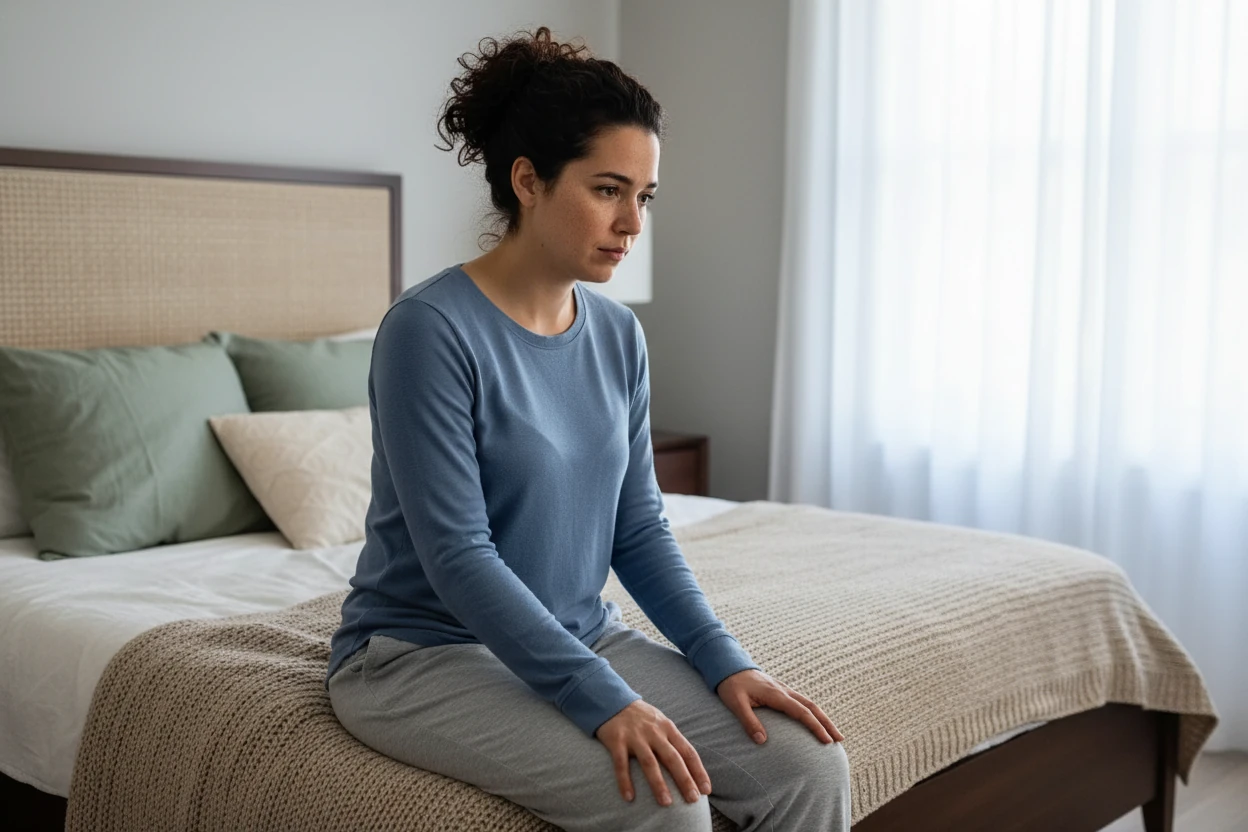
Aseptic meningitis presents with symptoms similar to bacterial meningitis, including fever, headache, and neck stiffness3. Patients may also experience altered mental status, although this is less common and usually milder than in bacterial meningitis3. General symptoms such as malaise and fatigue frequently accompany the illness4.
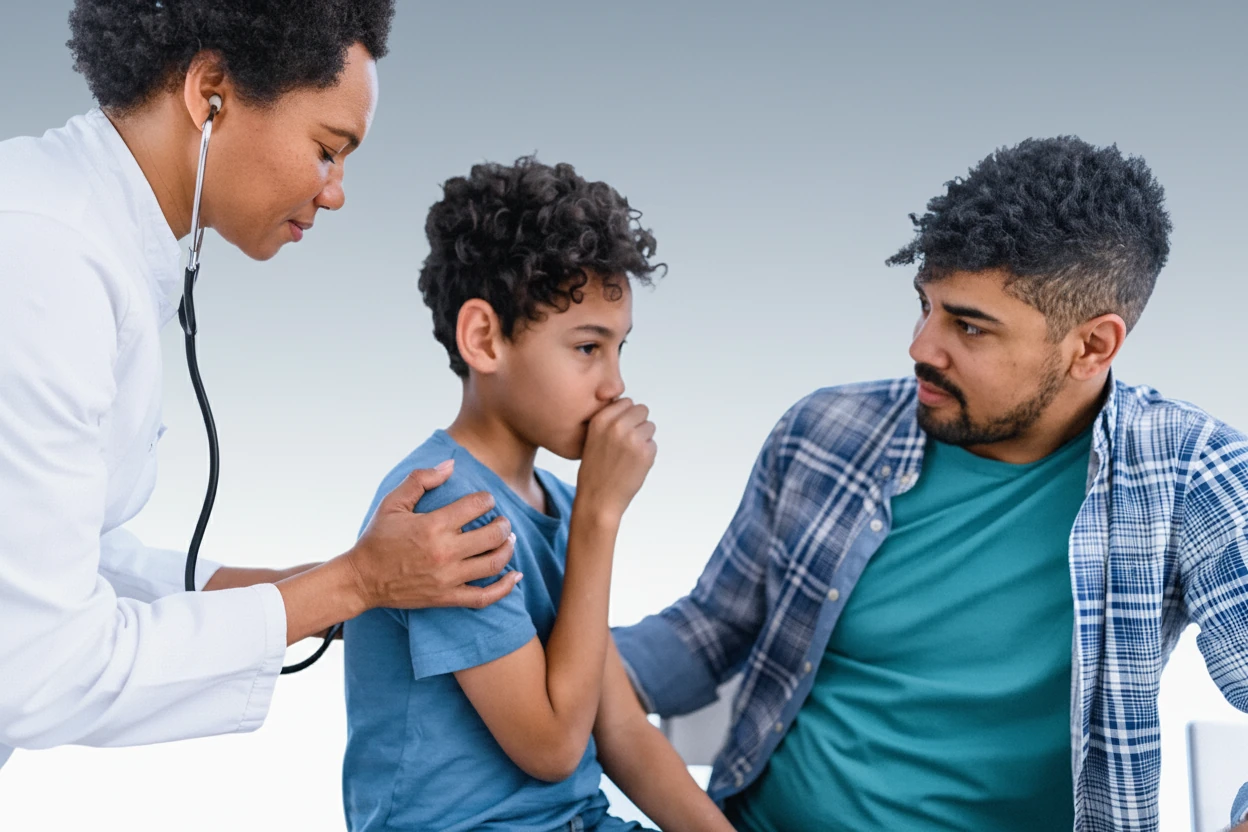
In adults, symptoms often include weakness, sensitivity to light (photophobia), and feeling generally unwell2. Children may present with fever, irritability, rash, respiratory problems, and neck stiffness2. In newborns and infants, signs can be less specific and include irritability, poor feeding, bulging of the soft spot on the head (fontanelle), and lethargy2.
Symptoms typically last about 7 to 10 days, with most individuals recovering without treatment52. However, in some cases, symptoms may persist longer, especially with certain viral causes like West Nile virus6.
Common Causes of Aseptic Meningitis: Viral, Bacterial & Non-Infectious Factors
The most frequent cause of aseptic meningitis is viral infection, particularly enteroviruses, which account for up to 90% of identified cases worldwide78. Enteroviruses include coxsackieviruses and echoviruses, which are especially common in children and young adults98. These viruses often cause seasonal outbreaks, peaking in summer and early fall in temperate climates4910.
Other viral causes include herpes simplex virus type 2 (HSV-2), varicella-zoster virus, mumps virus, arboviruses such as West Nile virus, and less commonly, HIV4710. Arboviruses tend to cause meningitis during mosquito seasons and in endemic regions7.
Non-infectious causes also contribute to aseptic meningitis. These include drug-induced reactions, autoimmune diseases like systemic lupus erythematosus (SLE) and mixed connective tissue disorders, and neoplastic conditions such as leptomeningeal carcinomatosis7111213. Drug-induced aseptic meningitis is rare but can occur with medications such as nonsteroidal anti-inflammatory drugs (NSAIDs), antibiotics like sulfamethoxazole-trimethoprim, and intravenous immunoglobulin141571.
Fungal and parasitic causes are rare and typically affect immunocompromised individuals47. Examples include cryptococcal meningitis and parasitic infections like toxoplasmosis7.
Risk Factors
- Age: Children and young adults are most commonly affected45.
- Immunocompromised status: Patients with weakened immune systems are at higher risk for fungal and certain viral meningitis72.
- Recent medication use: Drugs such as NSAIDs, antibiotics, and immunomodulatory agents can trigger aseptic meningitis1415.
- Exposure to infectious agents: Contact with individuals with viral infections or travel to endemic areas increases risk2.
- Autoimmune diseases: Conditions like SLE and mixed connective tissue disease predispose to aseptic meningitis1112.
Diagnosing Aseptic Meningitis: Tests, Procedures & Differential Diagnosis
Diagnosis begins with clinical suspicion based on symptoms such as fever, headache, and neck stiffness3. Because symptoms overlap with bacterial meningitis, lumbar puncture (LP) to analyze cerebrospinal fluid (CSF) is essential for definitive diagnosis31.
CSF analysis typically shows pleocytosis (increased white blood cells), often with a lymphocytic predominance, normal glucose levels, and normal or mildly elevated protein4310. However, in children, neutrophils may predominate early in the illness, so cell type alone cannot reliably distinguish aseptic from bacterial meningitis16.
Additional laboratory tests include CSF bacterial cultures and Gram stain, which are negative in aseptic meningitis1. Polymerase chain reaction (PCR) testing of CSF can identify viral pathogens such as enteroviruses and herpesviruses, improving diagnostic accuracy171. mcv blood test results meaning and normal range tests and serologies may support diagnosis and identify specific etiologies3.
Imaging studies like computed tomography (CT) or magnetic resonance imaging (MRI) are used to exclude complications or alternative diagnoses before lumbar puncture in patients with risk factors for increased intracranial pressure310.
Distinguishing aseptic from bacterial meningitis early is critical because bacterial meningitis requires urgent treatment3. Clinical decision tools like the bacterial meningitis score and biomarkers such as serum procalcitonin and CSF lactate can aid differentiation16.
Aseptic Meningitis Treatment Options: Managing Symptoms & Underlying Causes
Treatment depends on the underlying cause and patient status. Supportive care is the mainstay for most cases, especially viral meningitis5.
Bacterial
Although bacterial meningitis is excluded in aseptic meningitis, empiric intravenous antibiotics are often started until bacterial infection is ruled out3. Prompt antibiotic therapy is vital to reduce morbidity and mortality in bacterial meningitis3. Adjunctive corticosteroids, such as dexamethasone, are recommended in bacterial meningitis to reduce inflammation and improve outcomes1816.
Fungal
Fungal meningitis requires prolonged antifungal therapy tailored to the specific pathogen and the patient’s immune status7. Treatment duration varies depending on the fungus involved and host factors7. Consultation with infectious disease specialists is essential for management.
Viral
Most viral aseptic meningitis cases are self-limited and resolve within 7 to 10 days without specific antiviral treatment5. Supportive measures include hydration, pain control with analgesics, and rest52. Antiviral therapy, such as acyclovir, may be used in herpesvirus infections to reduce symptom duration2. Some viral infections like West Nile virus may cause prolonged symptoms, including fatigue and weakness6.
Drug-induced aseptic meningitis resolves after discontinuation of the offending medication, with symptoms typically improving within days1415.
Preventing Aseptic Meningitis: Vaccination, Hygiene & Risk Reduction
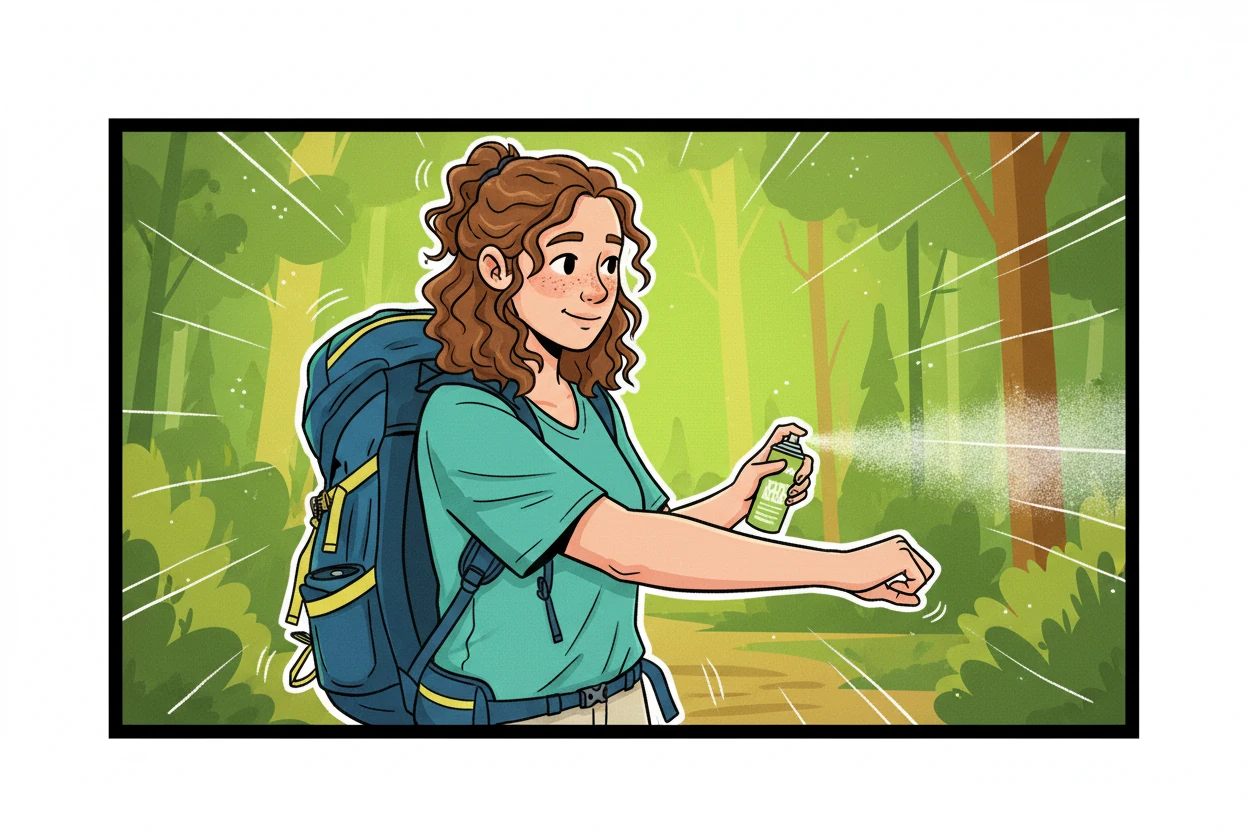
Prevention focuses on reducing transmission of infectious agents and avoiding triggers5. Vaccination programs have significantly decreased bacterial meningitis incidence by targeting pathogens like Haemophilus influenzae type b, pneumococcus, and meningococcus516.
Good hygiene practices such as regular handwashing and avoiding close contact with sick individuals help prevent viral meningitis52. Avoiding unnecessary use of medications known to cause drug-induced aseptic meningitis is also important14.
“Aseptic meningitis is a common and generally benign inflammatory disorder affecting the meninges. Viruses such as herpes simplex virus type 2 (HSV-2), enteroviruses, and arboviruses are the most common causes of aseptic meningitis.”
— Hazim Allos, MD; Rodrigo Hasbun, MD19
Currently, no vaccines exist for many viral causes of aseptic meningitis, but general infection control measures remain effective45.
When to Seek Medical Care for Aseptic Meningitis Symptoms
Immediate medical evaluation is essential for symptoms suggestive of meningitis, including fever, headache, neck stiffness, and photophobia32. Early diagnosis and treatment reduce the risk of serious complications3.
Seek urgent care if symptoms worsen or include confusion, seizures, debilitating headache, or inability to wake2. Newborns and infants with irritability, poor feeding, or bulging fontanelle require prompt assessment2.
“Early medical evaluation is critical for symptoms like neck stiffness, headache, fever, and photophobia. Prompt diagnosis and management reduce morbidity and mortality in meningitis.”
— Mount HR, Boyle SD16
Key Points About Aseptic Meningitis: Summary & Prognosis
- Aseptic meningitis is inflammation of the meninges without bacterial growth in CSF cultures and is most often caused by viruses12.
- Symptoms overlap with bacterial meningitis but usually follow a milder course and resolve without specific treatment35.
- Enteroviruses are the leading cause worldwide, especially in children and young adults79.
- Diagnosis relies on lumbar puncture and CSF analysis, supported by PCR and imaging when needed317.
- Treatment is mainly supportive; antiviral therapy is reserved for specific viral causes, and antibiotics are used empirically until bacterial meningitis is excluded35.
- Prevention includes vaccination, hygiene, and avoiding drug triggers516.