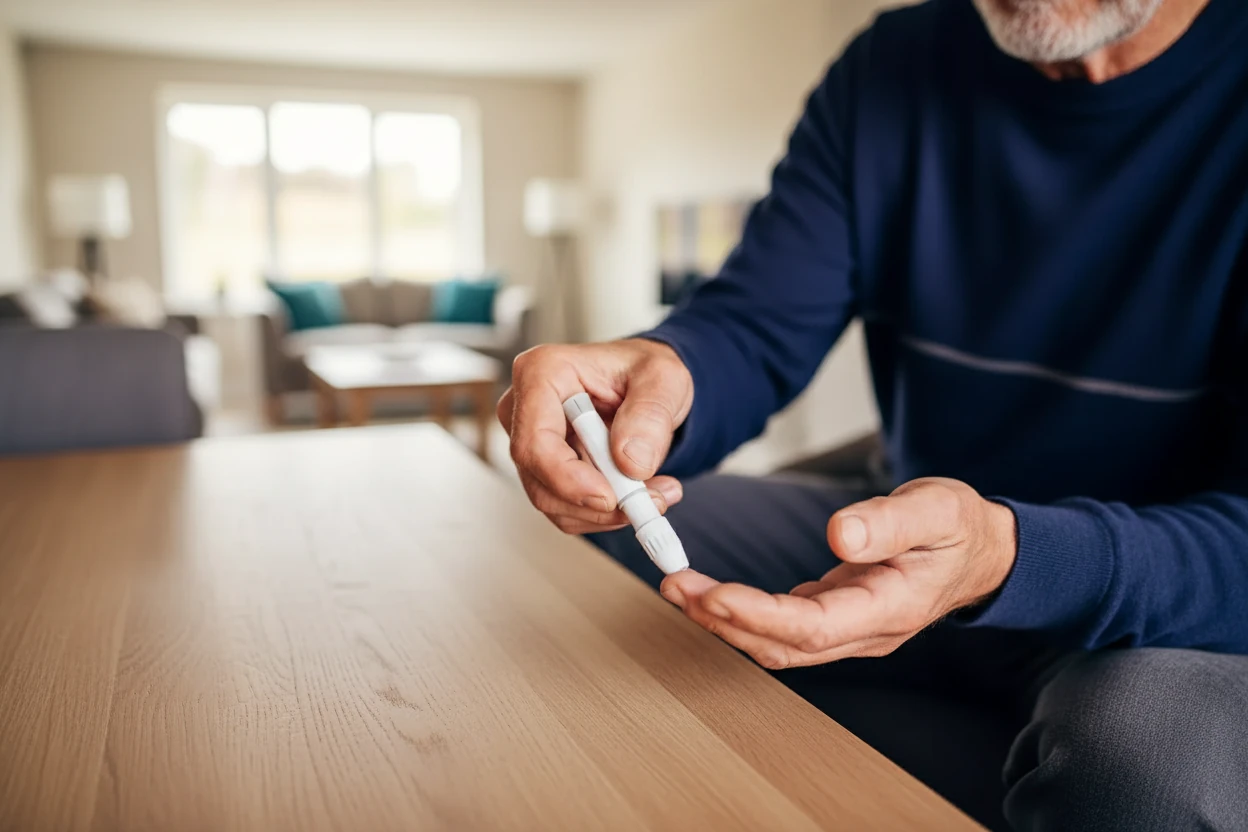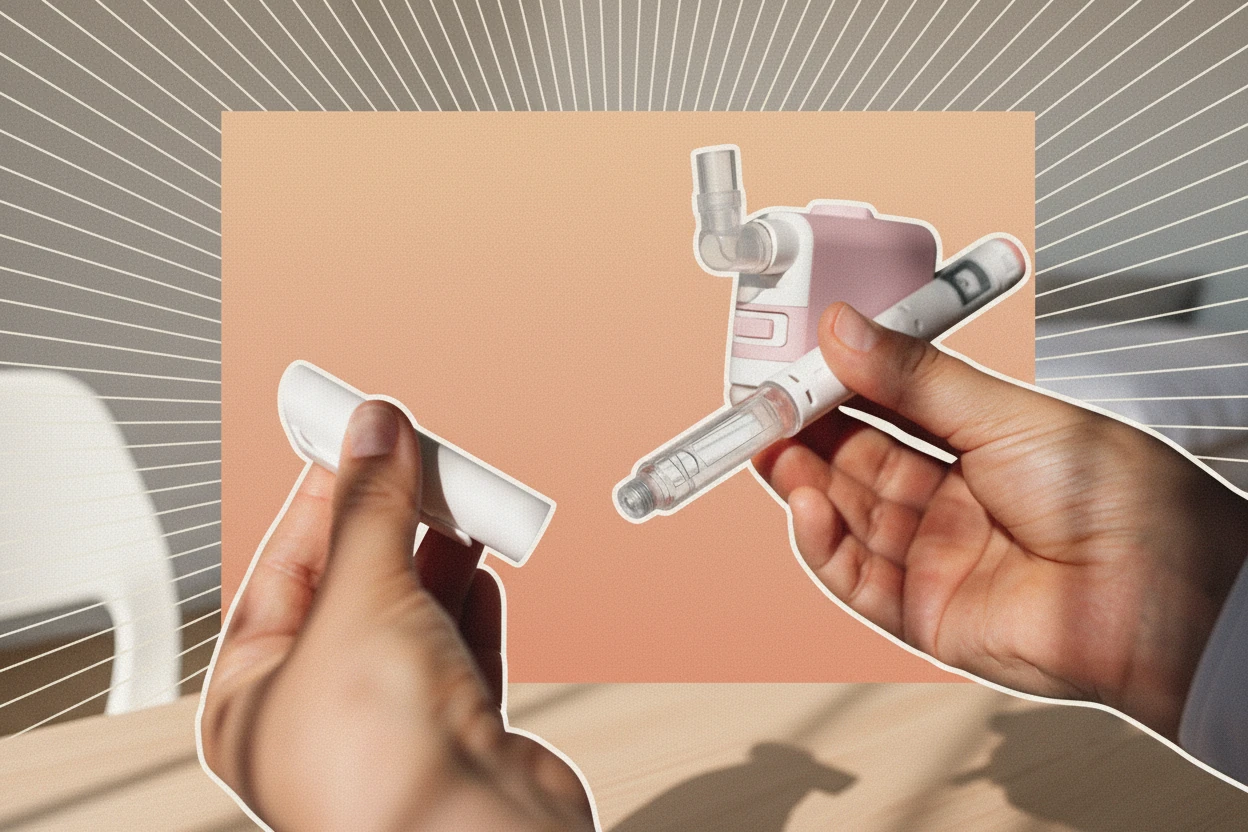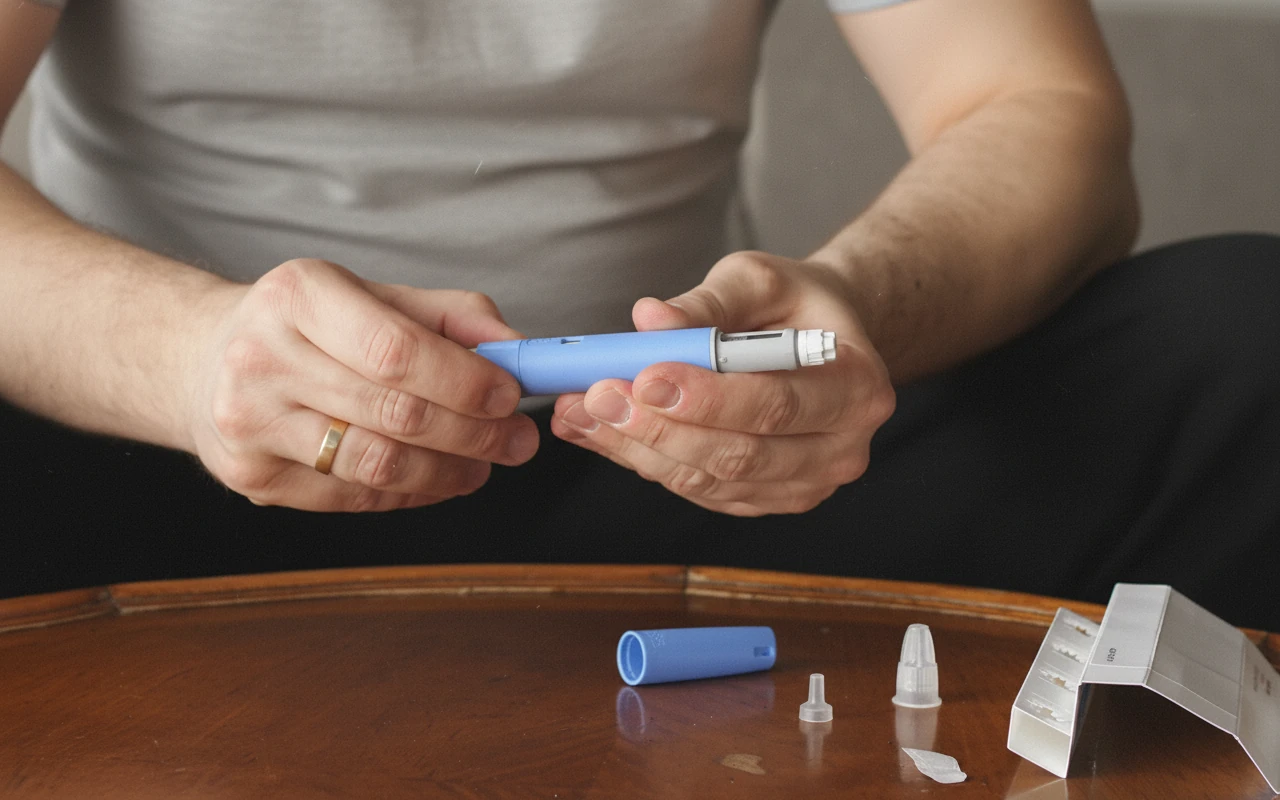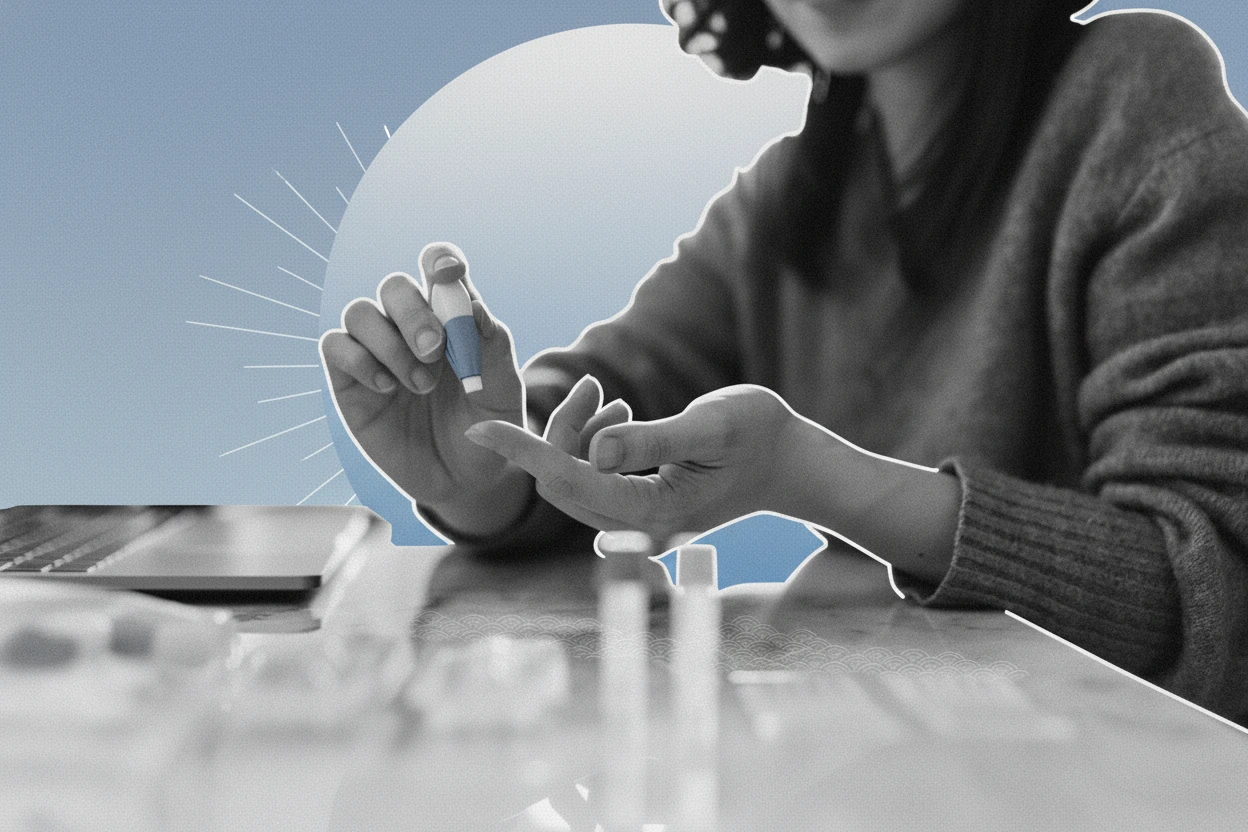
diabetes-mellitus-symptoms-causes-and-treatmentdiabetes-mellitus-symptoms-causes-and-treatmentdiabetesdiabetesDiabetes affects millions worldwide and requires consistent daily management to prevent complications and maintain quality of life1. Personalized care and ongoing education are essential to empower individuals to manage their condition effectively2. Using the right tools and support can significantly improve blood sugar control and reduce risks associated with diabetes3.
A Trusted Primary Care Provider
Having a primary care provider (PCP) you trust is fundamental in managing diabetes successfully. A strong patient-provider relationship fosters better adherence to treatment plans and improves overall diabetes control4. When your healthcare provider understands your individual values and concerns, care becomes more patient-centered, leading to better health outcomes5.
Your PCP coordinates your diabetes care, including monitoring blood sugar levels, managing medications, and screening for complications. They may also refer you to diabetes educators, dietitians, or specialists as needed. Personalized diabetes care plans tailored to your preferences and needs enhance adherence and effectiveness5.
Regular checkups with your PCP help adjust your treatment plan based on your changing health status. This ongoing support builds self-efficacy, which is critical for successful diabetes self-management6. Empowerment through education and collaborative care enables you to adapt your lifestyle and treatment to maintain optimal blood sugar levels2.
Continuous Glucose Monitor for Blood Sugar
Continuous glucose monitors (CGMs) provide real-time blood sugar data 24/7, allowing for timely adjustments in lifestyle and medication7. CGM use in type 2 diabetes, including those not on insulin, enhances glycemic control and reduces the risk of hypoglycemia (dangerously low blood sugar)8. Emerging evidence also suggests CGMs can motivate behavioral changes in people with prediabetes, helping prevent progression to diabetes9.
These devices use a small sensor placed under the skin that transmits glucose readings to a wearable device or smartphone. This continuous data stream helps detect trends and fluctuations that finger-stick tests might miss. While CGMs do not replace traditional glucose meters entirely, they complement them by providing comprehensive glucose profiles10.
Planning for CGM supply needs, especially during travel, is important to maintain uninterrupted monitoring10. Real-time glucose data supports better decision-making about meals, physical activity, and medication dosing, which are vital for maintaining blood sugar within target ranges7.
Hydration Support with a Water Bottle
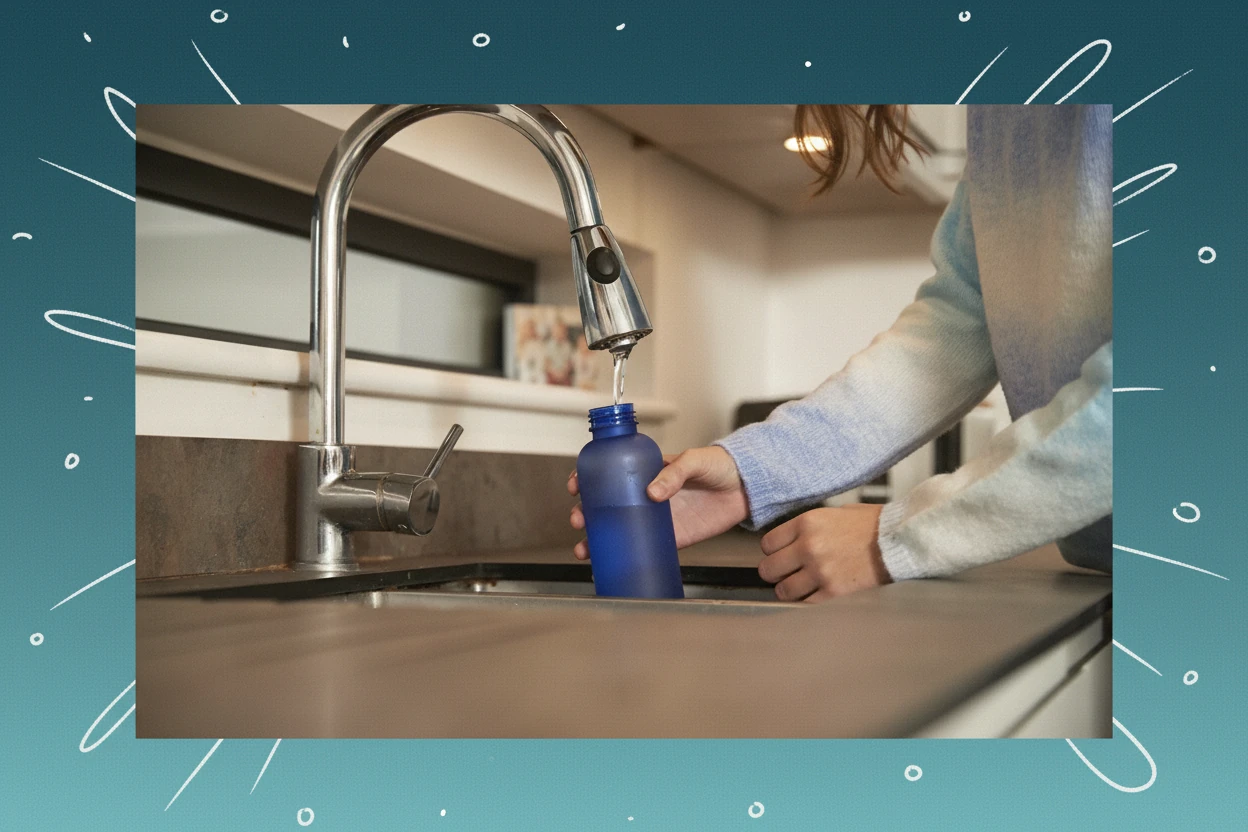
Staying well-hydrated is an often overlooked but important aspect of diabetes management. Drinking enough water supports glycemic control by aiding the kidneys in clearing excess glucose from the bloodstream11. Proper hydration helps reduce hyperglycemia (high blood sugar) and supports overall kidney health.
Behavioral strategies can improve hydration adherence, such as using attractive water bottles that encourage regular drinking12. In some cases, electrolyte-enhanced hydration may benefit individuals with diabetes, especially during physical activity or exposure to heat13.
Because diabetes-related autonomic neuropathy can reduce sweating and impair heat dissipation, people with diabetes may experience heat intolerance14. Maintaining hydration helps mitigate this risk and supports better temperature regulation.
- Carry a reusable water bottle to encourage frequent drinking12
- Choose water or low-calorie, unsweetened beverages to avoid added sugars11
- Consider electrolyte drinks during exercise or hot weather, if appropriate13
- Monitor for signs of dehydration, such as dry mouth or dizziness11
- Set reminders to drink water regularly throughout the day12
Portable Fan for Temperature Control
Temperature management is crucial for people with diabetes, as heat exposure can influence insulin absorption and action14. Diabetes-related autonomic neuropathy may impair sweating, reducing the body's ability to cool itself and increasing heat intolerance14. This can lead to heat stress, which affects blood sugar control and overall well-being.
Using cooling strategies, such as portable fans, helps mitigate heat stress and maintain a comfortable body temperature14. Fans improve air circulation and promote heat dissipation, which is especially important during hot weather or physical activity.
Maintaining a stable temperature supports consistent insulin effectiveness and reduces the risk of hyperglycemia or hypoglycemia caused by temperature fluctuations14. Planning for temperature control during daily activities and travel can improve diabetes management outcomes.
Pill Organizer for Medication Management
Medication adherence is a key determinant of glycemic control and diabetes outcomes4. Organizing medications using daily and time-specific pill boxes reduces missed doses and errors, supporting consistent treatment4. Portable pill organizers designed for travel help maintain adherence on the go, ensuring that medications are taken as prescribed4.
Electronic pill dispensers with reminders can further improve adherence, especially for patients with complex medication regimens4. These tools help manage multiple medications and dosing schedules, reducing the risk of complications from missed or incorrect doses.
- Simplifies complex medication schedules4
- Reduces the risk of missed or double doses4
- Supports independence and self-management4
- Facilitates medication management during travel4
- Can be combined with electronic reminders for enhanced adherence4
Protective Footwear for Diabetic Feet
Diabetic foot ulcers affect about 20% of people with diabetes and are a major cause of morbidity and lower limb amputations worldwide15. These ulcers result from nerve damage and poor circulation, leading to skin breakdown and infection15. The International Working Group on the Diabetic Foot (IWGDF) emphasizes prevention through protective footwear, regular foot care, and prompt wound treatment15.
Specialized diabetic shoes and socks reduce mechanical stress and prevent skin breakdown by decreasing pressure points on the feet15. Custom orthotic shoes and well-cushioned brands are recommended to protect vulnerable areas15. Proper foot hygiene and protective socks also lower the risk of ulcers and infections15.
Advanced wound care products, such as hydrocolloid dressings, improve healing outcomes for existing ulcers15. Early detection and treatment of foot wounds are essential to prevent complications, including infections and amputations15.
- Wear specialized diabetic footwear to reduce pressure and prevent ulcers15
- Use seamless, padded socks to protect skin integrity15
- Inspect feet daily for cuts, blisters, or signs of infection15
- Maintain good foot hygiene and moisturize to prevent dryness15
- Seek prompt medical attention for any foot wounds or ulcers15
💡 Did You Know? Diabetic foot ulcers are a leading cause of lower limb amputations, but proper footwear and care can significantly reduce this risk15.
Living Well With Diabetes
Living well with diabetes requires continuous education, support, and adaptation of management strategies to fit individual preferences and changing health needs2. Self-efficacy—the confidence to manage one’s own care—is a critical factor influencing successful diabetes self-management and glycemic control6.
Personalized diabetes care plans that consider lifestyle, preferences, and challenges improve adherence and outcomes5. Ongoing self-management education and support empower patients to optimize their care and adapt to new situations2.
Healthy habits such as balanced eating, regular physical activity, stress management, and routine monitoring of blood sugar levels are essential components of living well with diabetes1. Collaborating closely with your healthcare team helps you stay informed and make timely adjustments to your treatment plan.
“One thing that you really have to do is move forward. You’ve gotta really tackle this. You can’t be a passive patient.”
— Dr. Phil McGraw16
- Develop a personalized diabetes care plan with your healthcare team5
- Engage in regular diabetes self-management education and support2
- Build confidence in managing your condition through knowledge and skills6
- Maintain healthy lifestyle habits including diet, exercise, and stress reduction1
- Monitor blood sugar regularly and adjust treatment as needed7